
Thinking about having a chimpanzee as a pet? It might sound exciting at first. They’re cute, clever, and it’s easy to imagine them as fun companions.
But here’s the thing: chimps are wild animals, not pets like dogs or cats. Keeping a chimpanzee as a pet isn’t safe—for you or for the chimp—because of their strength, unpredictable behavior, and the health risks involved.

Chimps become incredibly strong—way stronger than most people realize—and they can get aggressive as they get older.
They need special care and social groups, and honestly, most homes just can’t provide that. Also, owning one might actually break the law where you live, which could get you into serious trouble.
If you’re curious about why chimps really don’t make good pets, or what risks and rules you’d have to deal with, stick around. Let’s dig into what it’s actually like to have a chimpanzee at home—and why it’s just not a good idea.
Is It Safe to Have a Chimpanzee as a Pet?
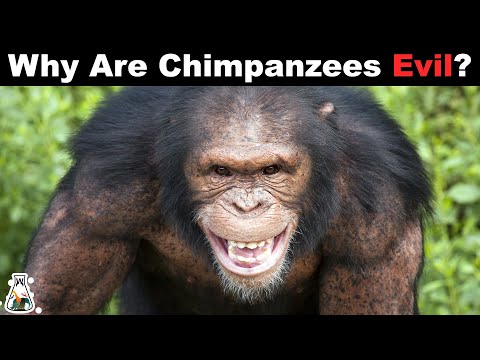
Thinking about a pet chimpanzee? You’ll face some real challenges.
Their strength, behaviors, health risks, and the way they fit (or don’t fit) into a home can create problems you might not see coming.
Physical Dangers and Aggression
Chimpanzees are way stronger than humans—sometimes four times as strong. Even when they’re playing, their strength can hurt you.
As they get older, chimps can turn aggressive and unpredictable. Bites, hits, or sudden attacks? Those can cause serious injuries.
Pet chimps often show aggression because they miss being with their own kind. Unlike dogs or cats, chimps don’t act domesticated.
Even a baby chimp raised by humans keeps its wild instincts as it grows up. You can’t train those instincts out of them.
Your house just isn’t built to handle that kind of power or aggression. Without special enclosures and expert care, things can go wrong fast.
Unexpected Behavioral Challenges
Pet chimpanzees tend to pick up odd habits. You might see them rocking back and forth or pulling out their own hair.
Why? They miss the social life they’d have with other chimps, especially their mothers when they’re little.
Chimps learn how to behave from their families. If you raise one alone, it won’t know how to act around people or other animals.
That frustration can turn into aggression. It’s tough to predict how a lonely or stressed chimp will react.
Many chimps suffer emotionally when they’re isolated or stuck in small spaces. These problems just add to the risks.
Zoonotic Disease Risks
Chimps are close relatives to humans, so they can pass on some nasty diseases. Ebola is one of the scariest, but there are other viruses and bacteria too.
Living with or even handling a chimp puts you at risk for catching these diseases. Most owners can’t provide the special vet care chimps need.
Without that care, both you and the chimp are at risk. It’s not just a safety thing—it’s a real health threat.
Impact on Human Homes and Safety
Human homes just aren’t made for chimpanzees. They need lots of space, social time, and mental challenges that you probably can’t offer.
If you keep a chimp in a regular house, it’ll get stressed and unhappy. That’s not good for anyone.
You’d need a huge, secure enclosure and a lot of know-how. Most pet chimps end up stuck in small cages, and that’s just sad.
On top of all that, keeping a chimp as a pet is illegal in most places or needs strict permits. If you skip the rules, you could wind up in legal trouble.
Legal, Ethical, and Welfare Issues of Pet Chimpanzees

Having a chimpanzee as a pet is about more than just daily care. You’ve got to deal with strict laws, special needs, and the way captivity really affects them.
It’s a complicated and honestly pretty harmful situation.
Laws and Restrictions on Ownership
In a lot of places, you can’t own a chimpanzee at all—or you need a special permit. Some states like Texas, Kansas, and Alabama allow it, but only with a bunch of rules.
There isn’t one federal law that bans pet chimps, but the Endangered Species Act does limit how people can trade and keep them.
Local laws usually add even more restrictions, making it really tough to own one legally.
You’d need a secure, massive enclosure and professional care. If you break the rules, you could face fines or lose the chimp.
Always check your state and city laws before even thinking about it, or you might get in trouble.
Animal Welfare and Lifelong Care Needs
Chimps are social animals—they need other chimps around them. If you keep one alone at home, it’ll get lonely and stressed out.
They also get super strong and need mental challenges you probably can’t provide. Regular houses just don’t cut it for their needs.
Taking care of a chimp takes a ton of time and money. Most people who buy chimps from the pet trade can’t really give them what they need, and the animals suffer for it.
Some rescue places, like Chimp Haven, work hard to give ex-pet chimps better lives. It’s honestly the least we can do for them.
Consequences for Chimpanzees in Captivity
When people take chimps from the wild or sell them in the pet trade, they often disrupt the chimps’ early social development.
That kind of disruption leads to odd behaviors—rocking back and forth, or even pulling out their own hair.
A lot of captive chimps land in roadside zoos or cramped cages. These places just make their physical and mental health worse.
Honestly, that’s nothing like the environment chimpanzees need to live well.
If you keep chimps away from their natural social groups, you’ll often see depression or bursts of aggression. Even as adults, chimps stay wild at heart and sometimes become dangerous.
It’s worth thinking twice about captivity and what it does to chimps before anyone even considers having one as a pet. Their safety and well-being really are on the line.


