
If you’ve noticed more bees buzzing around your garden lately, you might wonder if that’s good or if it could become a problem. Actually, having lots of bees in your garden is fantastic—they move pollen from flower to flower, which helps your plants grow and thrive.
This natural pollination boosts the growth of fruits, veggies, and flowers. Your garden ends up healthier and a lot more productive.
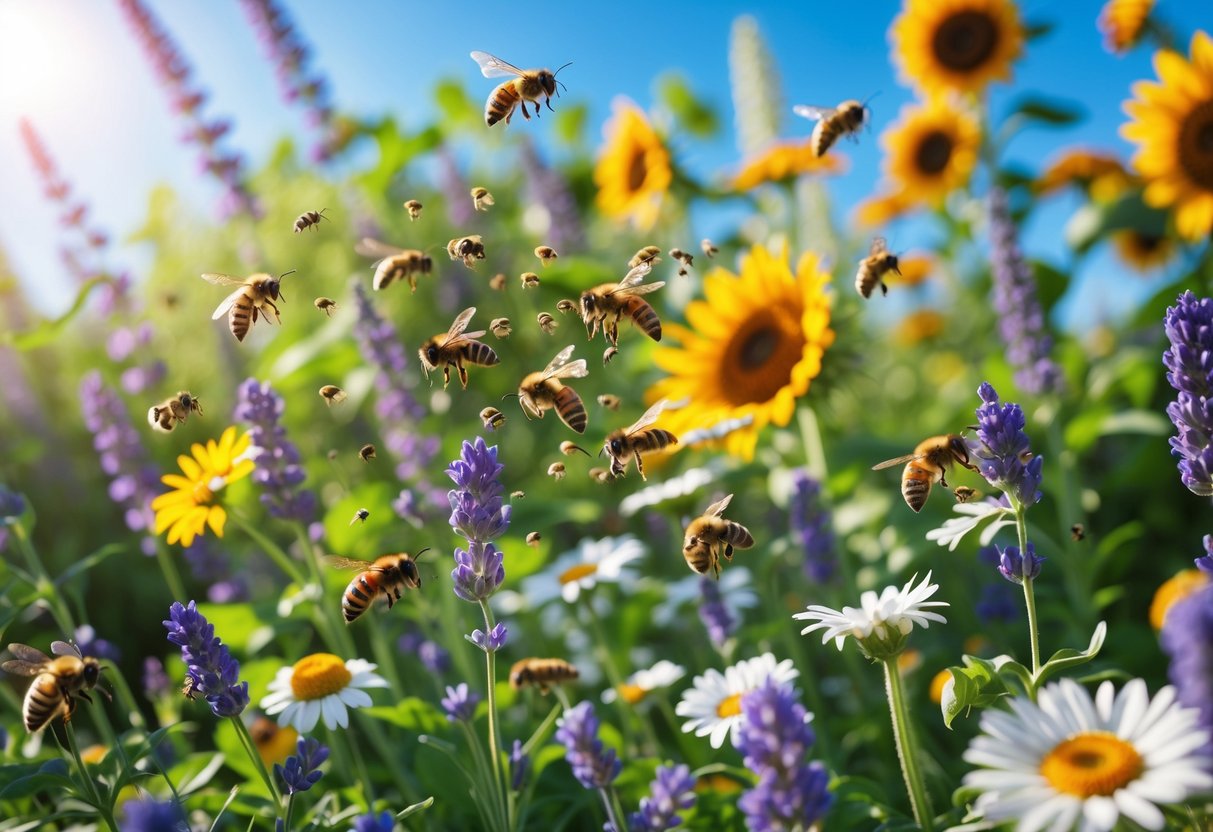
Bees don’t just help your plants—they also keep your garden’s ecosystem in balance. When you see bees around, that means your garden offers food, water, or shelter that these little pollinators need.
If you figure out how to attract and keep bees, your garden can really flourish. It’s not just about the plants, but the whole space feels more alive.
Why Having Lots of Bees in Your Garden Is Beneficial

When you have a bunch of bees in your garden, your plants get a better shot at growing well. You’ll see more flowers, more food, and a healthier environment overall.
Bees take care of important tasks that impact your whole garden, whether you notice it or not.
The Role of Bees as Pollinators
Bees might just be the most important pollinators out there. They carry pollen from one flower to another, helping plants make seeds and fruit.
Without bees, a lot of plants would struggle to grow or set fruit. That’s a big deal if you love gardening.
Pollination by bees means your plants can produce more flowers and fruits. Different bees like different flowers, so having a mix of bees covers all your bases.
Bees collect nectar and pollen to feed their colonies, and that helps your garden at the same time. It’s a win-win.
You can attract more bees by planting native flowers. Local bees love them, and these plants help keep bee populations going strong.
Bringing in bees and other helpful bugs lets your garden thrive in a natural way.
Boosting Flower and Food Production
When bees visit your garden, they help your plants make bigger and better crops. You’ll get more fruits, veggies, and flowers—who doesn’t want that?
Flowers get pollinated fully, so they bloom brighter and stick around longer.
For food plants, bees really boost your harvest. Think more tomatoes, cucumbers, strawberries, and all the good stuff.
If you don’t have enough bees, your plants might not make much fruit at all. That’s just how it goes.
To keep bees coming back, plant lots of different flowers and herbs. This gives them food for the whole season.
A diverse garden supports more bees and makes your space more productive.
Supporting Biodiversity and Healthy Ecosystems
Bees help your garden’s ecosystem stay balanced. When they pollinate native plants, they support other insects, birds, and critters that depend on those plants.
If you see lots of bees, that means your garden is part of a bigger, healthier ecosystem. These helpful insects work with other wildlife to keep things running smoothly.
Attracting native bees and pollinators boosts plant diversity and keeps the natural cycle going. Your garden becomes a friendlier spot for wildlife and a nicer place for you too.
Curious about how bees make gardens better? Check out this guide on garden bees and pollination.
How Gardens Attract Bees and Ways to Encourage or Manage Bee Activity

If you want to attract bees, you’ll need to pick the right plants and create a space where different bees feel welcome. It’s also important to balance attracting them with managing their numbers, especially if you ever feel like there are just too many.
Popular Plants and Flowers That Draw Bees
Bees can’t resist flowers packed with nectar and pollen. Go for plants like lavender, monarda, coneflower, sunflowers, mint, and basil.
Native plants work especially well since local bees know them best. Grouping these flowers makes your garden more inviting for bees.
Try to plant a mix that blooms at different times, so bees always have something to eat. Skip the pesticides—they’re rough on bees.
Bees also love strong scents and bright colors, especially blue, purple, and yellow. Toss in some bee-friendly herbs and fruit trees, and you’ll get even more visitors.
Types of Bees You Might Find
Your garden might attract quite a few kinds of bees, and they all have their own habits.
- Honeybees live in colonies and make honey. They’re social and excellent pollinators.
- Bumble bees are bigger and fuzzy. They can fly when it’s cooler and do something called buzz pollination for plants like tomatoes.
- Mason bees and leafcutter bees live alone and don’t build hives. They nest in holes or tunnels.
- Native bees come in all shapes and sizes. Some are even better pollinators than honeybees.
Most solitary bees are gentle and hardly ever sting. Knowing which bees visit helps you figure out how to support them.
Creating and Managing a Bee-Friendly Garden
If you want a bee-friendly garden, plant a variety of nectar-rich flowers. Grouping native plants and herbs like basil and mint makes it easier for bees to find food.
Set out shallow dishes or puddles for fresh water. Bees need a drink too, believe it or not.
Adding bee hotels gives solitary bees safe places to nest. You can make your own from wood with small holes or buy one ready to go.
Use natural pest control—avoid pesticides and let helpful insects do their thing. Leaving some mulch and dead plant material around can help bees find nesting spots.
Keep things tidy, but don’t be afraid to let some wild areas stay for shelter. Water your plants well, and you’ll have more blooms, which means more food for bees.
Addressing Bee Infestations and Removal
When bee numbers get out of hand or bees decide to nest somewhere inconvenient, you’ll probably need to step in.
Start by figuring out which kind of bee you’re dealing with. Honeybees are usually protected, so you’ll likely want to call a beekeeper for help. Solitary bees? They’re easier to move and don’t cause much trouble.
Try not to kill bees if you can help it—they’re actually pretty important for the environment. Got a nest tucked inside a wall or somewhere tricky? Call a professional bee remover. That way, you stay safe and the bees get relocated without harm.
If you notice a bee infestation, you can sometimes nudge them away by removing food sources or blocking off places they might nest. Stay calm around bees; it helps you avoid getting stung.


