
If you’ve got bees buzzing around your home, you might be wondering what to do about them. Bees help plants grow, sure, but a hive too close for comfort? That’s a real problem.
The best approach is to use gentle, natural methods that nudge them away without hurting them.
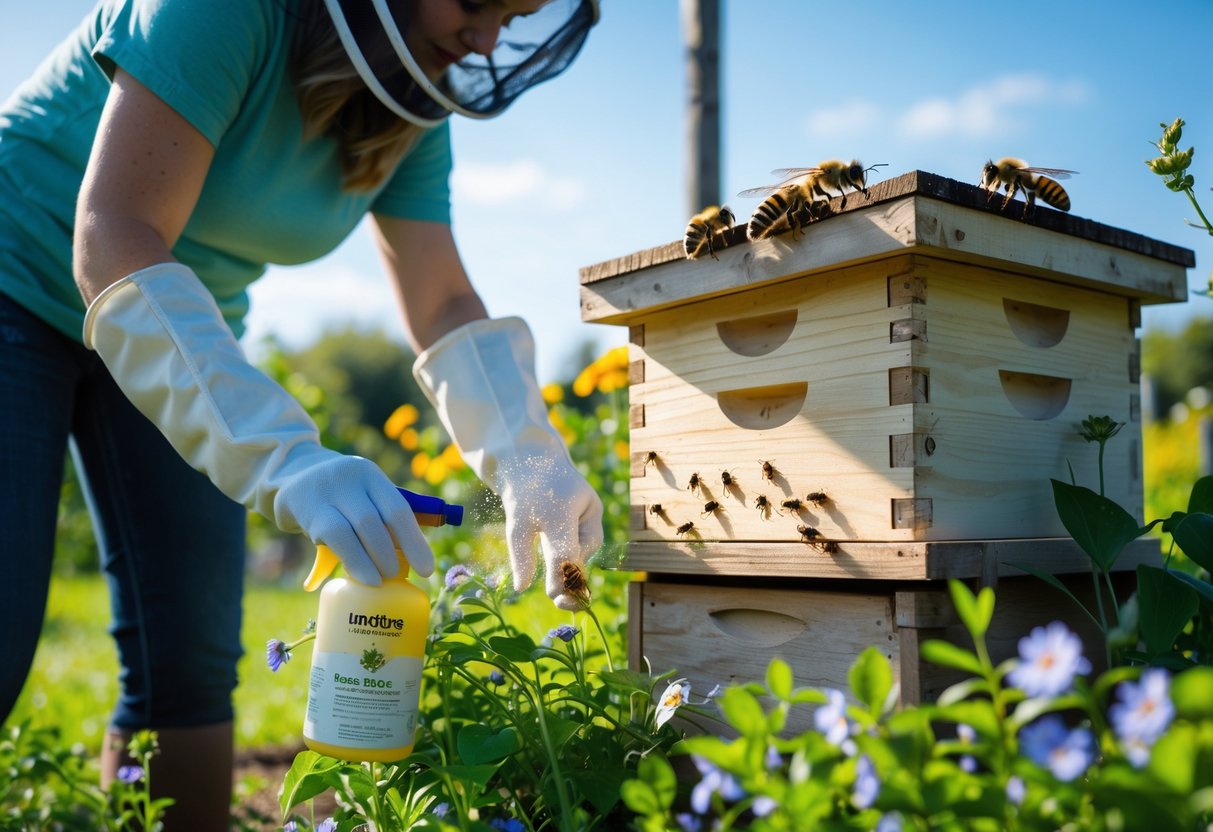
You can try stuff like planting bee-repelling plants, using natural sprays, or reaching out to a local beekeeper to relocate the hive. That way, you stay safe and the bees get a fair shot too.
If you know how and when to act, you’ll have a much easier time. Got ground bees, wall-nesting bees, or a big hive hanging around? There’s a solution for every situation.
Let’s check out some easy, bee-friendly ways to send them packing—naturally.
Effective Methods to Get Rid of Bees

When you deal with bees, you want to keep them away without hurting them. Natural repellents, traps, and targeted methods for specific bees can all help.
If you use sprays or other products, make sure you do it safely to protect your home and yard.
Natural Bee Repellents and Deterrents
Some plants and scents just don’t sit well with bees. Mint, marigolds, eucalyptus, and lemongrass? Bees tend to steer clear of those.
Try planting them around your garden to make a natural barrier.
Scents like garlic, cinnamon, cloves, and cayenne pepper can also help. Hang up some garlic or sprinkle cinnamon near doorways.
Light citronella candles if you’re outside—bees don’t love that smell.
Put these repellents near doors, patios, or wherever you want to keep bee-free. It’s eco-friendly and doesn’t hurt the bees.
Want more ideas? Check out tipsbulletin.com.
Using Bee Traps and Baits
Bee traps can cut down the number of bees buzzing around. They lure bees in with sweet baits, and once inside, the bees can’t get out.
Keep traps away from spots where people hang out, or you’ll just attract bees to your porch. You can buy traps or make your own with sugar water or fruit juice.
Check traps often. If they fill up or attract too many bees, move them.
For more DIY trap ideas, have a look at pestcentric.com.
Targeting Specific Types: Carpenter Bees and Ground Bees
Carpenter bees drill into wood and can mess up your house. To stop them, paint or seal any exposed wood.
They usually avoid treated wood. You can also put up traps made just for carpenter bees near problem spots.
Ground bees nest in soil. Sprinkle cinnamon or cayenne pepper around their nests—those spices really bother them and make them move on.
Knowing which bee you’re dealing with helps. If carpenter or ground bees are causing trouble, use the right fix.
For more tips, check housedigest.com.
Safe Use of Bee Spray and Mothballs
Bee sprays can repel or kill bees, but you’ve got to be careful. Always follow the label and keep yourself and the environment safe.
Spray early in the morning or late in the evening when bees aren’t as active.
Mothballs can also keep bees away if you hang them near entrances or trouble spots. They contain chemicals, so only use them outside and far from kids and pets.
If you combine bee spray and mothballs, you might have better luck—but safety comes first. Don’t spray near flowers or plants, or you’ll hurt pollinators.
Need more info? Check thespruce.com for safe removal tips.
Precautions, Safety, and Bee-Friendly Alternatives
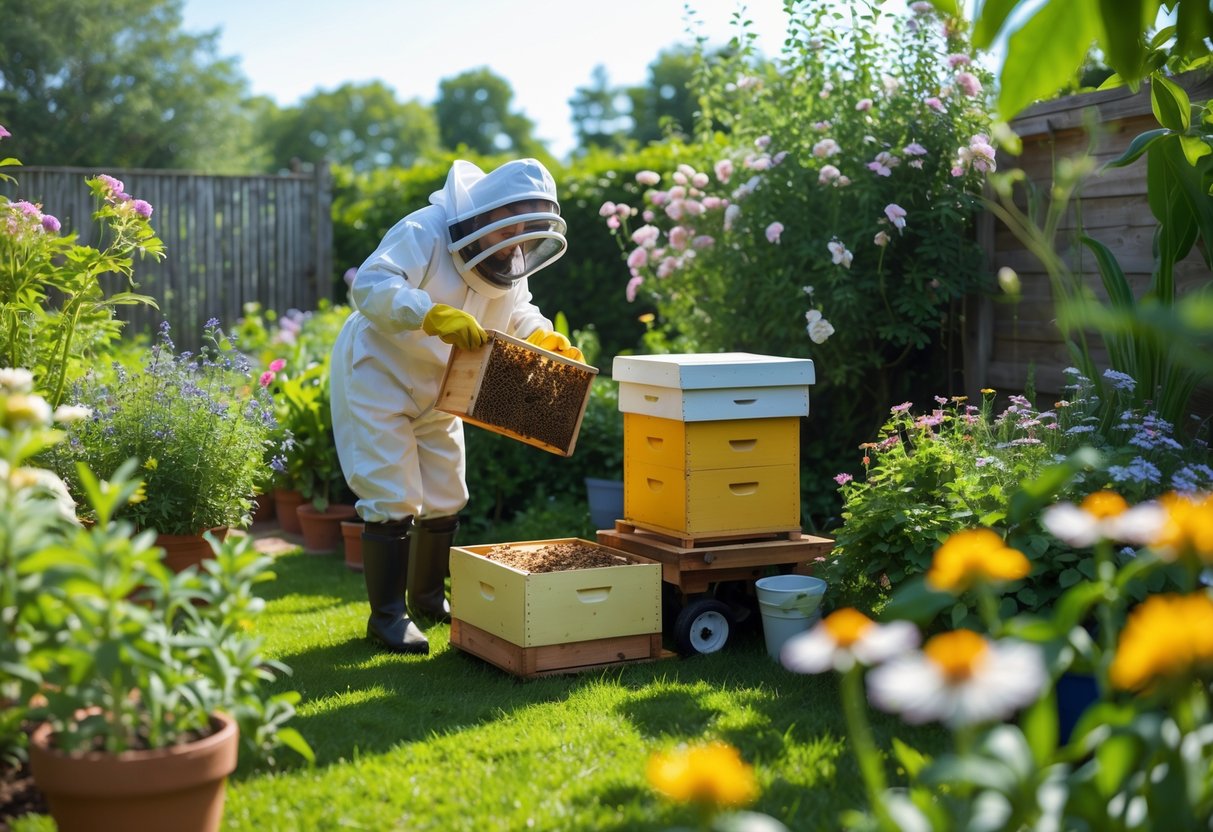
When you deal with bees, you want to keep yourself and the bees safe. The right steps can help you avoid stings and protect pollinators that help your garden thrive.
Preventing Bee Stings and Allergic Reactions
Bee stings hurt and can swell up. If you’re allergic, it can get serious fast and you’ll need medical help.
To avoid stings, wear light-colored clothes—bees like dark colors for some reason. Skip strong perfumes or scented lotions.
Stay calm and move slowly if bees are flying nearby. If you need to work near hives, wear gloves and long sleeves.
If you get stung, scrape the stinger out with a credit card or something flat. Wash the spot and put ice on it to help with pain and swelling.
If you have a bee allergy, always carry your epinephrine injector.
Relocating Honeybees Responsibly
Honeybees matter a lot for pollination, so killing them isn’t the answer. If bees build a nest near your home, call a beekeeper for help.
Beekeepers use gentle methods to move bees safely. They make sure bees end up somewhere they can thrive and keep pollinating.
Don’t try to destroy nests yourself. That can make bees aggressive and hurt the local population.
If you want more advice, search for safe bee relocation tips.
Protecting Beneficial Pollinators
Bees and other pollinators play a huge role in helping plants grow. If you want a healthier garden, it makes sense to look after them.
You can attract pollinators by planting bee-friendly flowers—try marigolds or citronella. Skip the pesticides and harsh chemicals; they’re not great for your yard or the bees.
Set out clean water sources so pollinators have somewhere to drink. It’s a small thing, but it helps.
If you need to keep bees away from certain areas, try a natural repellent like peppermint oil spray. It works without harming them.
These methods are gentler on the environment and help your garden stay balanced. Want more tips? Check out safe and natural ways to keep bees at home.


