
So, you got stung by a bee and now you’re wondering, “Do I need a tetanus shot for this?” Honestly, unless it’s been over 10 years since your last tetanus booster, you probably don’t need another one just because of a bee sting. Bee stings don’t usually bring much tetanus risk, but hey, keeping your vaccines up to date never hurts.
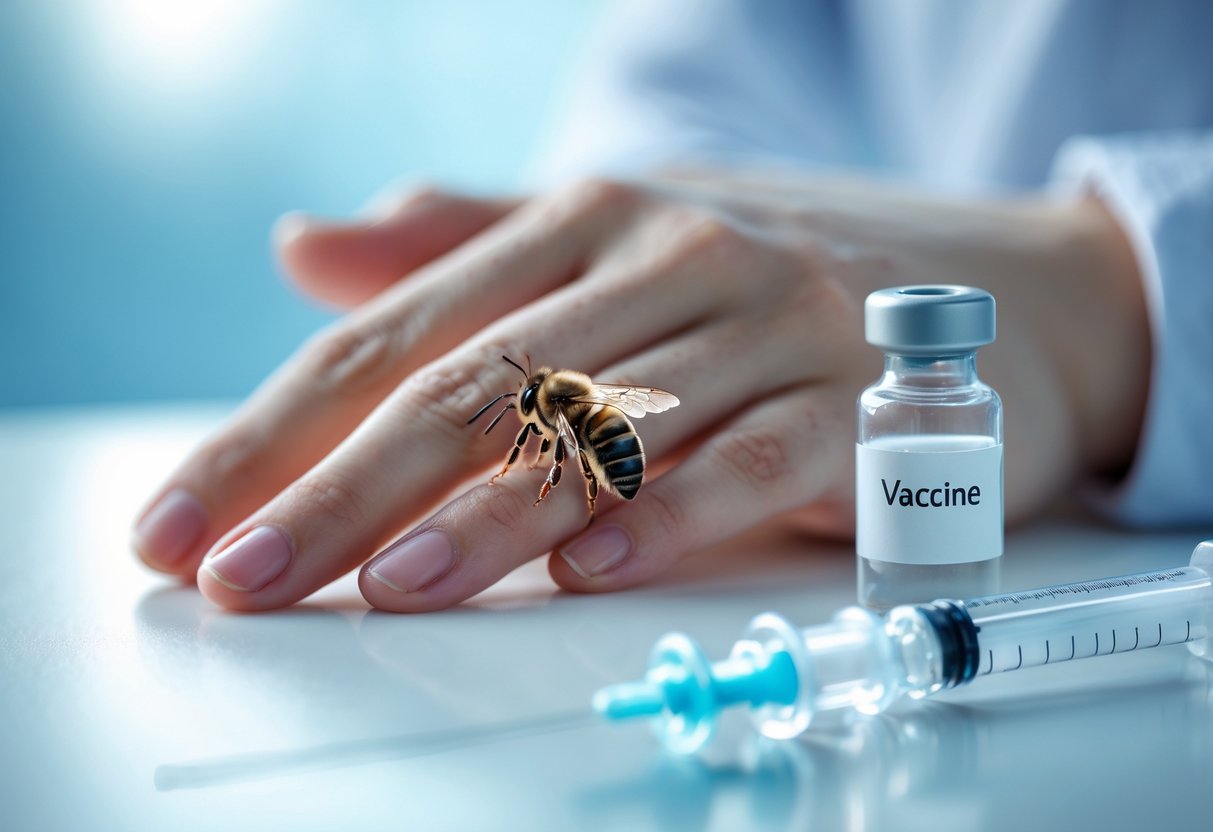
Tetanus bacteria can sneak in through any break in your skin, so technically, a bee sting could be a risk if your last shot was ages ago. If you know when to get a booster, you can skip unnecessary shots and just focus on taking care of the sting. Curious about when you actually need a tetanus shot after a bee sting? Let’s break it down and talk about safe sting care, too.
Do You Need a Tetanus Shot After a Bee Sting?

When you get stung by a bee, you should think about your tetanus shot status, especially if it’s been a while since your last one. Not every sting means you need a booster, but sometimes it’s the right call.
If you know the difference between types of stings and your own health risks, you’ll have an easier time deciding.
When a Tetanus Booster Is Recommended
If you haven’t had a tetanus shot in over 10 years, it’s time for a booster. Tetanus bacteria get into your body through broken skin, including insect stings.
If the sting is deep or you notice dirt or soil in the wound, a booster becomes more important. Clean stings, like those from bees or wasps, usually aren’t a problem unless your vaccination is out of date.
If you can’t remember your last shot, getting a booster is the safer move.
Differences Between Bee and Wasp Stings
Bee and wasp stings hurt and cause swelling or redness, but they don’t really bring much tetanus risk. Bees leave their stinger behind, so pull it out quickly to cut down on irritation.
Wasps don’t usually leave a stinger, and their venom is a bit different. Still, neither sting typically brings a big tetanus risk unless dirt gets in.
Both kinds of stings are usually “clean” wounds, so you don’t need a tetanus shot if you’re already up to date.
Tetanus Risk Factors with Insect Stings
Your main tetanus risk after a sting comes from dirt, feces, or saliva getting into the wound. If you get stung outside, especially in dirty places, tetanus spores could be around.
Your health matters, too. People with weak immune systems or chronic illnesses might have a higher risk, so it’s smart to ask your doctor about a booster after a sting.
Keep the sting clean and watch for infection or weird symptoms. If you’re unsure about your tetanus shots or what to do after a sting, checking with a healthcare provider is always a safe bet.
You can read more about tetanus shots and stings at irescuebees.com.
Safe Steps to Take After a Bee Sting

If you get stung, acting fast can make a big difference. You’ll want to treat the sting, keep an eye out for allergic reactions, and think about your health going forward.
First Aid Treatment and Prevention
First, get that stinger out as soon as you can. Use your fingernail or a card to scrape it off—don’t squeeze it, or you could push in more venom.
Wash the area with soap and water to lower infection risk. Then, put a cold compress or ice (wrapped in a cloth) on it to bring down swelling and pain.
You can try over-the-counter creams or antihistamines if you’re itchy or red. If you spend a lot of time outside or near hives, wear protective clothes to avoid stings.
Try not to make loud noises or sudden moves around bees—they really don’t like that.
Monitoring Allergic Reactions
Most bee stings just cause mild swelling or redness. Still, watch out for serious signs like trouble breathing, face or throat swelling, racing heartbeat, or dizziness.
If you notice any of these, call for emergency help right away. People who know they’re allergic to bees should always keep an EpiPen nearby and use it if needed.
Even if you don’t have allergies, see a doctor if swelling or pain gets worse suddenly or sticks around for more than a few days. Some reactions show up slowly and might need treatment.
Long-Term Health Considerations
You might be asking yourself if you really need a tetanus shot after a bee sting. The risk of tetanus from bee stings is pretty low.
Still, if it’s been more than 10 years since your last tetanus vaccine, most doctors would say get a booster just to be safe.
Watch the sting site for any signs of infection. Look out for things like redness that keeps spreading, warmth, pus, or even a fever.
If you spot any of those, definitely reach out to your healthcare provider.
People who get stung a lot should probably talk to their doctor about allergy testing or maybe even desensitization therapies.
Some folks talk about honey having healing properties, and that’s true to a point. But honestly, it can’t replace proper medical care after a sting.


