
When you welcome a one-year-old dog into your home, you might wonder if your furry friend is still considered a puppy. A one-year-old dog is generally seen as past the puppy stage, but they can still show some puppy-like behaviors. This can be especially true for certain breeds that take longer to mature both physically and emotionally.
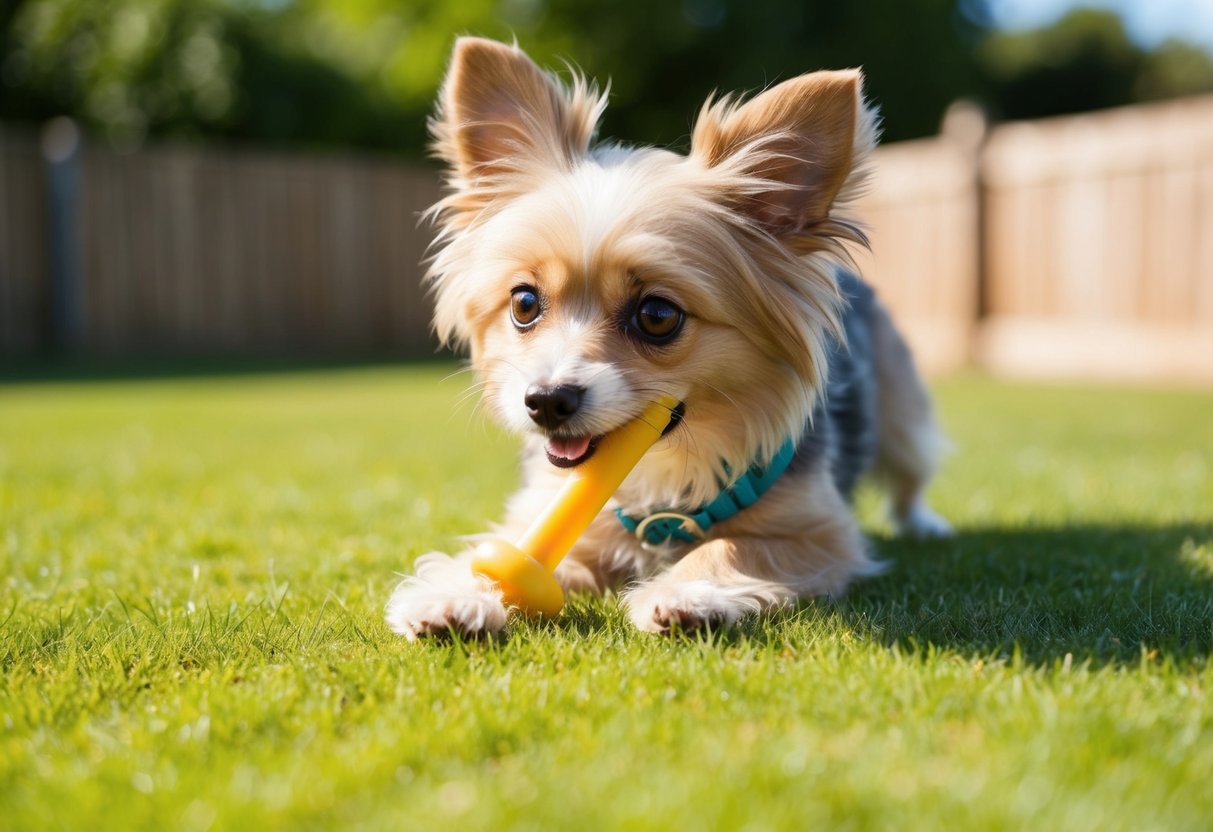
As your dog approaches their first birthday, they’ve often completed their physical growth, with a fully developed skeletal system. Yet, many of them continue to engage in playful antics, showing off their youthful spirit.
Understanding where your dog stands in this growth process can help you tailor their training and care to fit their needs.
You might notice that your one-year-old dog still jumps around and seeks attention like a puppy. This behavior can be cute but may require guidance to help them transition into adulthood. Learning about what to expect can make this transition smoother for both you and your pet.
Understanding Puppy Development

Puppy development involves several key stages. These stages include physical, behavioral, and sexual maturity. Understanding these aspects will help you better support your dog’s growth.
Physical Maturity and Growth
Dogs grow at different rates depending on their breed. Small breeds often reach their full size by around one year, while large and giant breeds may take longer—up to two years. During this time, growth plates, which are areas of developing cartilage, close.
It’s important to ensure your dog receives proper nutrition during their growth phase. Balanced diets promote healthy bone and muscle development. Keeping your dog fit can also help them maintain a healthy weight as they grow.
Physical maturity shows in size and muscle tone. You can often see a shift from puppy softness to a more defined adult body.
Behavioral and Social Maturity
Puppies go through significant behavioral changes as they grow. At one year, many dogs still display playful, puppy-like behaviors. However, some may begin to show signs of independence and confidence.
Socialization is crucial during this time. Encouraging positive interactions with other dogs and people helps develop important social skills. Training can also support adjustments in behavior, making your dog’s transition to adulthood smoother.
You may notice a decrease in certain puppy behaviors, like chewing and jumping. With consistent training, your dog can learn how to behave appropriately, enhancing their social experience.
Sexual and Reproductive Maturity
Most dogs reach sexual maturity by six months to one year. This stage may come a bit later for larger breeds. You should be aware of signs such as marking territory or an increased interest in other dogs.
If you are not planning to breed your dog, consider spaying or neutering. This procedure can help manage behaviors associated with sexual maturity and reduce health risks.
Understanding your dog’s sexual maturity allows you to prepare for any behavior changes and make informed decisions about their health and training.
Training and Socialization Milestones
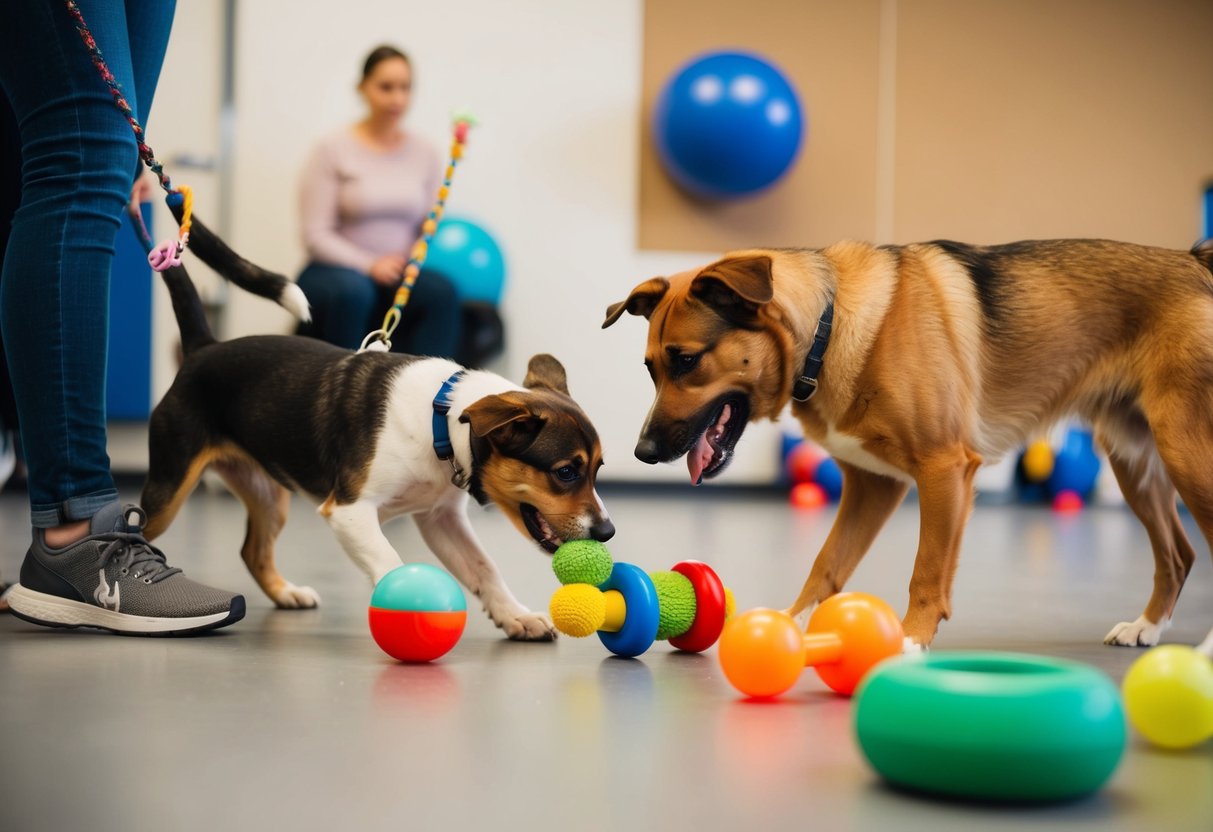
At one year old, your dog is at a crucial point in their development. Training and socialization play key roles in shaping their behavior and helping them transition from a puppy to an adult dog. Here’s what you need to know.
The Importance of Early Training
Starting training early is vital for your dog’s growth. Puppies learn quickly, and positive reinforcement is effective. Utilize treats or praise to reward good behavior.
Consistency is crucial—set clear rules and stick to them.
House-training should be a top priority. Routine helps your dog understand when and where to go. Make sure to take them out often, especially after meals. Don’t forget that your dog still has puppy energy, so regular exercise is important. This helps reduce common behaviors like chewing or barking.
Socialization and Its Impact
Socialization exposes your dog to different people, pets, and environments. This experience is essential for avoiding fear and anxiety later in life.
Start by introducing your dog to new situations gradually. Keep it positive to help build their confidence.
Consider puppy classes with a professional trainer. These classes provide structured socialization and can teach basic obedience training skills. Meeting other well-mannered dogs can also help your dog learn polite behavior.
Remember, early socialization can lead to a happier, well-adjusted adult dog.
Transitioning to Adult Dog Training
As your dog turns one, it’s time to shift training focus. Adult dogs require more advanced skills, and obedience training becomes vital.
Start introducing new commands and tricks to keep their mind engaged.
Crate training can still be useful for adult dogs. It offers them a safe space and helps with house-training if needed.
Remember to use positive reinforcement during this phase too, as it will strengthen your bond.
Monitor your dog for any behavioral changes, as this can indicate the need for additional training or socialization.
Health and Nutrition Considerations

When you have a 1-year-old dog, it’s crucial to focus on their health and nutrition. They are transitioning from puppy food to adult dog food, experiencing teething changes, and needing preventive health care. Here’s what you should know.
From Puppy Food to Adult Dog Food
At one year old, your dog is ready to switch from puppy food to adult dog food. Puppy food is higher in calories and nutrients, supporting growth. Adult dog food offers a balanced diet tailored to your dog’s energy needs.
Look for products labeled “complete and balanced.” These will meet the dietary needs of your dog at this stage. Always check the ingredients for quality protein sources and healthy fats.
If you’re unsure about the best food, consult your vet for recommendations.
Teething and Dental Health
Your one-year-old dog may still go through teething. This phase can lead to some discomfort and chewing behavior.
Providing dental chews or toys can help soothe their gums and keep their teeth clean.
Good dental health is essential. Brush your dog’s teeth regularly or use dental treats that help reduce plaque.
Regular check-ups with your vet can spot any potential dental issues early on. Early intervention is key to avoiding health concerns down the road.
Preventive Health Care Practices
Preventive care is vital for your dog’s long-term health. Keep up with regular vaccinations to protect against disease. Talk to your vet about a proper vaccination schedule.
Consider spaying or neutering your dog. This can prevent certain health problems and unwanted behaviors.
Additionally, look into pet insurance to help cover unexpected health costs. Regular vet visits will help catch any issues before they become serious, keeping your furry friend healthy and happy.
Behavioral Changes and Expectations
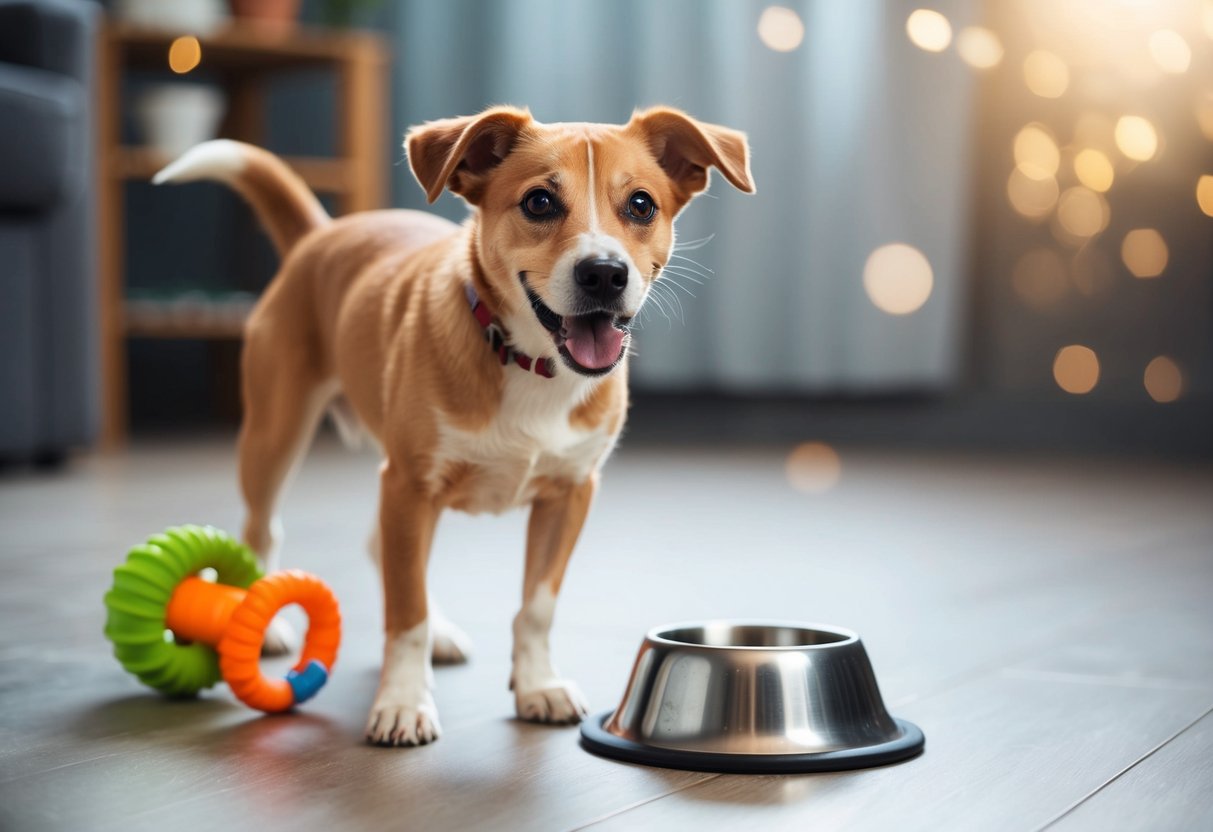
When your dog turns one, you may notice some behavioral changes. They are transitioning from puppy age to adulthood. This shift brings new expectations for you as a dog owner.
You might see a decrease in puppy-like behavior. While they will still have their playful moments, they are starting to settle down.
Expect less frequent zoomies and more relaxed lounging.
Energy levels can change too. One-year-olds often have bursts of energy but may not maintain the same stamina as a younger puppy. They can still be energetic, but they might need more downtime.
Training and behavior become important at this stage. If your dog is still displaying puppy behavior, such as chewing or jumping, make sure to reinforce training. Consistency will help them learn what’s expected.
You may notice destructive behavior if they’re left alone for too long. This can be a sign of boredom or separation anxiety.
Providing interactive toys and regular exercise can help keep their minds engaged.
Your pup’s playfulness will likely remain. They may still enjoy playtime but might start to engage differently. Adult dogs often prefer structured games over chaotic play.
As your dog matures, adapting to these changes will help strengthen your bond. Embrace their growing independence while guiding them through this exciting phase!


