
When you think about dogs, their size and weight can be quite important. If you’re wondering about a dog that weighs 45kg (99 pounds), this weight is generally considered to be in the large breed category. Breeds like Labrador Retrievers and German Shepherds typically fall into this range, and they often have a strong presence.

It’s essential to remember that weight alone doesn’t tell the whole story. The height and build of the dog play significant roles in how they fit into the size categories. A 45kg dog may look quite different depending on whether they are tall and slender or stocky and muscular.
Understanding the differences in dog breeds and their typical weight ranges can help you determine where your pup fits in. Knowing if your dog is large or not can guide health care, nutrition, and proper training, making it a vital piece of information for any dog owner.
Understanding Dog Weight
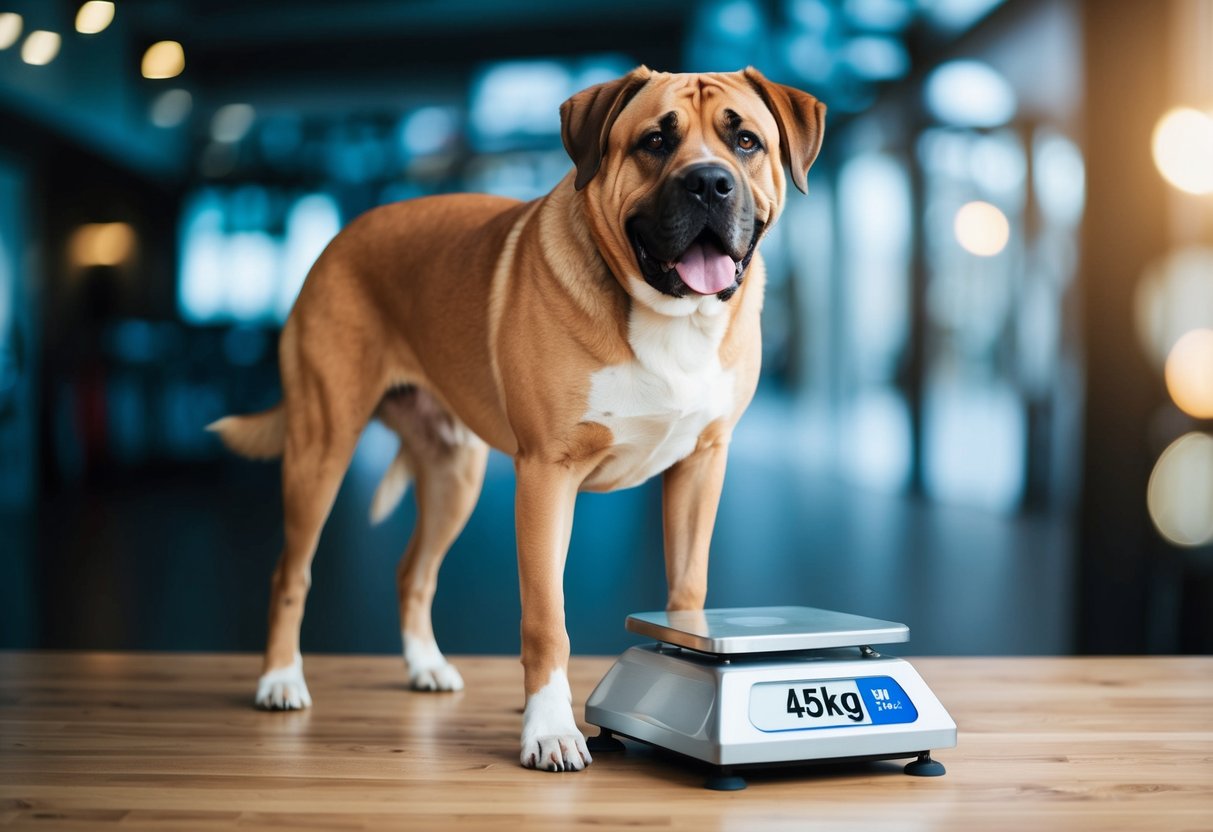
Dog weight can tell you a lot about your furry friend’s health and breed. Different breeds have different weight ranges, and knowing what to expect helps you care for your dog better. It’s also important to understand what factors can influence your dog’s weight.
Average Weights Across Breeds
Dog breeds vary greatly in size and weight. For example, a Chihuahua typically weighs only around 2-6 kg (4-13 lbs), while a German Shepherd usually weighs between 23-40 kg (50-88 lbs).
In contrast, larger breeds like the Newfoundland and Mastiff can reach weights of 50-90 kg (110-200 lbs). You might also consider popular breeds like the Labrador Retriever and Golden Retriever, which generally weigh about 25-36 kg (55-80 lbs).
A dog weight chart can provide a clear overview. It helps you compare weights and gauge if your dog is in a healthy range for its breed.
Factors Influencing Dog Weight
Several factors play a role in your dog’s weight. Genetics is one major factor. Some breeds are naturally heavier or lighter than others. For instance, larger breeds like the Saint Bernard will always weigh more than a small dog breed.
Diet also matters. Feeding your dog a balanced diet helps maintain a healthy weight. You should consult your vet for specific dietary advice tailored to your dog’s needs.
Finally, your dog’s daily activity level plays a crucial role. Regular exercise helps prevent obesity, which is common in sedentary pets. Balancing diet and exercise ensures your dog’s weight stays within a healthy range.
Ranking Breeds by Size
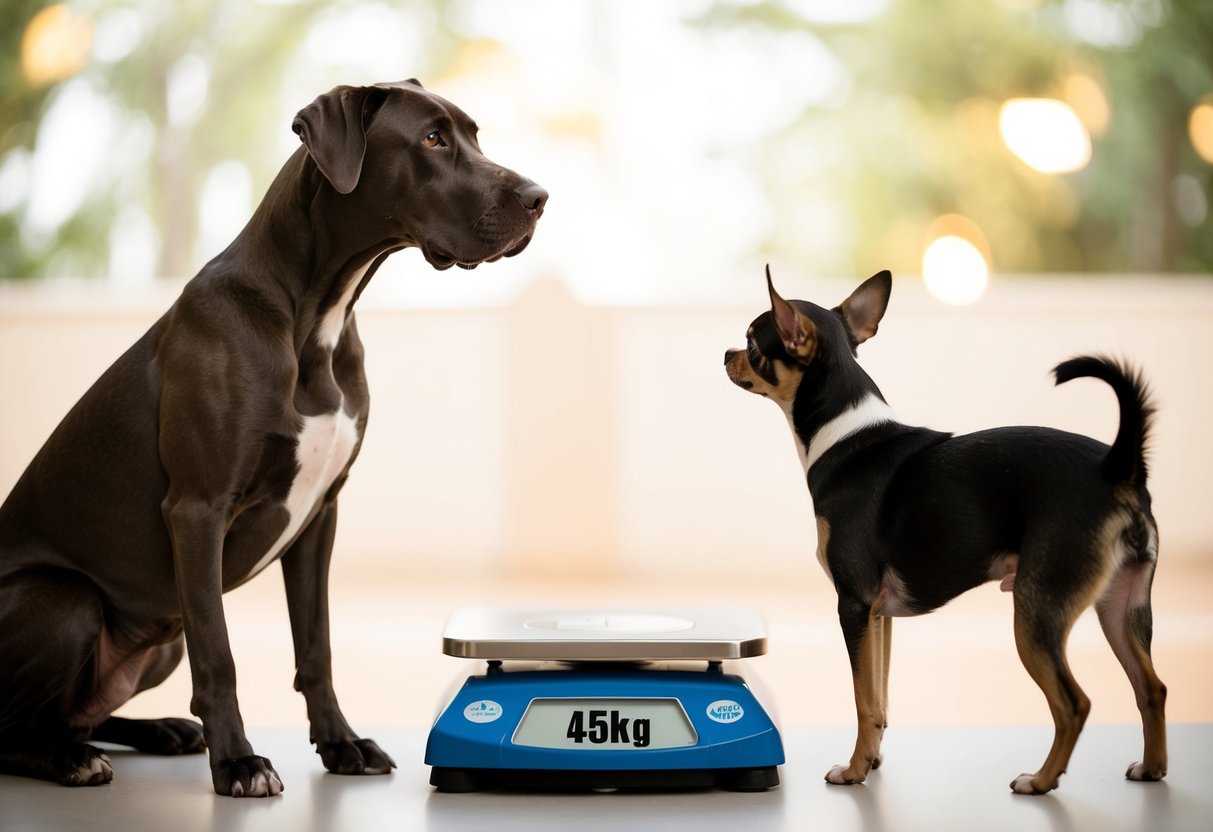
When considering dog breeds, size plays a key role in your choice. Different sizes suit different living environments and lifestyles. Here, we’ll look at small, mid-sized, large, and giant breeds to help you understand their characteristics and suitability.
Small Dogs Suitable for Apartment Living
Small dogs are ideal for apartment living due to their compact size and lower exercise needs. Breeds like the Chihuahua, Shih Tzu, and Dachshund typically weigh under 20 pounds and stand around 6 to 12 inches at the shoulder.
These breeds are often easy to train and adapt well to smaller spaces. The Boston Terrier and Pug also make great companions, as they are friendly and affectionate. Just remember to provide playtime and some outdoor walks to keep them happy and healthy.
Mid-Sized Dogs and Family Favorites
Mid-sized dogs usually weigh between 30 and 60 pounds, making them wonderful family pets. Favorites like the Beagle, Cocker Spaniel, and Border Collie fit this category. They are known for their friendly nature and adaptability.
Border Collies are particularly energetic and require regular exercise, often excelling in agility and obedience. On the other hand, the Bulldog is more laid-back and sociable, making them great companions for kids. A mid-sized dog can bring joy and activity to your family without overwhelming your living space.
Large Dogs and Giants of the Canine World
Large and giant dog breeds generally weigh over 60 pounds. The German Shepherd, Labrador Retriever, and Rottweiler are popular choices, known for their loyalty and protective nature. These dogs often require more space and exercise.
When considering giant breeds such as the Great Dane, Mastiff, or Saint Bernard, keep in mind their size and weight. They can be gentle giants but need ample room to move around comfortably. Make sure you have a yard or access to open spaces to accommodate their needs. Each breed comes with distinct traits, so choosing wisely is essential to ensure a good match for your lifestyle.
Health and Weight Management
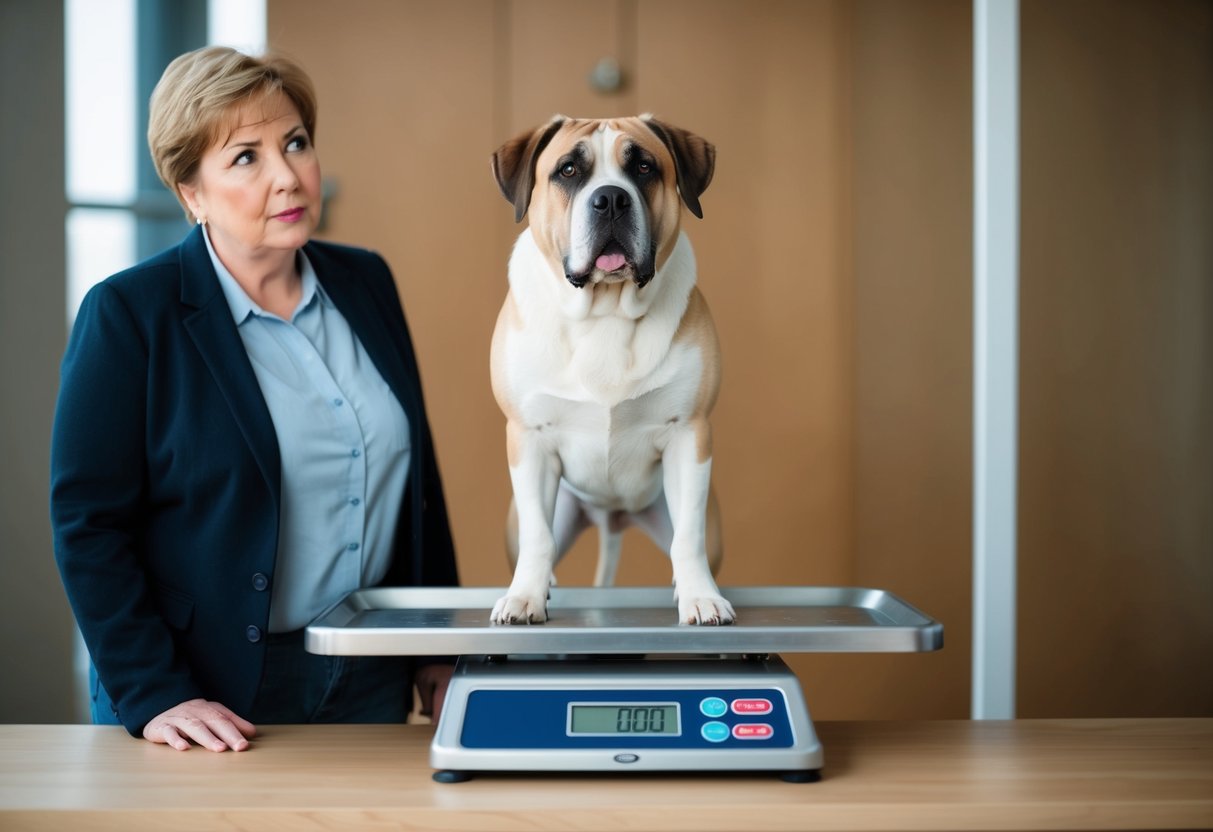
Maintaining a healthy weight is crucial for your dog’s overall well-being. Key factors include regular vet check-ups and proper nutrition paired with exercise.
Consulting a Vet for Ideal Dog Weight
To determine if your dog is at a healthy weight, consulting a veterinarian is essential. Experts will help you assess your dog’s weight according to its breed and size. For a large breed like a Labrador Retriever or Boxer, a weight of 45kg can be normal.
Your vet can provide tailored veterinary advice and create a weight management plan if needed. They may suggest specific breed weight charts so you can track your dog’s health effectively.
Nutrition and Exercise Tips for a Healthy Dog
Proper nutrition and regular exercise are vital for keeping your dog fit. Consult your vet to choose the best diet for your dog’s breed, whether it’s a Collie, Poodle, or Siberian Husky.
High-quality dog food should be rich in nutrients while low in unnecessary fillers. Incorporate healthy treats like fresh fruits or vegetables, which can also help manage weight.
Regular exercise is key. Aim for at least 30 minutes of activity each day, combining walks, playtime, and training sessions.
Creating a routine will keep your dog engaged and active. If your dog seems overweight, it might be time to reassess their diet and exercise habits.
Regular veterinary check-ups will ensure your dog remains healthy for years to come.


