
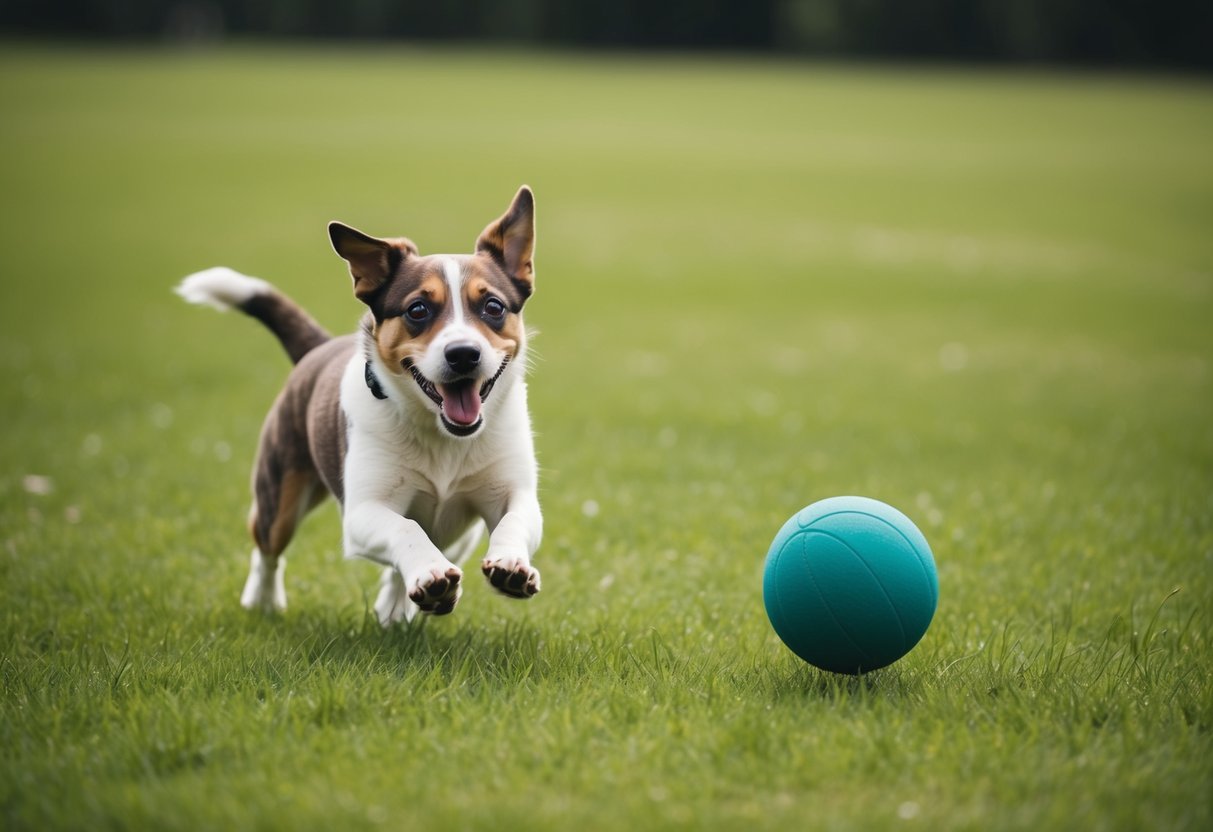
As a pet owner, you might wonder about the aging process of your furry friend. A one-year-old dog is not considered old; in fact, they are still very much a playful puppy. At this age, your dog is full of energy and curiosity, eager to explore the world around them.
Understanding your dog’s age in human terms can help you connect better with them. It’s a common belief that every dog year equals seven human years, but this isn’t entirely accurate. Depending on size and breed, a one-year-old dog can range from being the equivalent of a teenager to a young adult in human years.
Navigating the details of dog aging can be confusing. Knowing where your pup stands can enhance your bond and guide you in providing the best care possible.
Understanding a Dog’s Age

When you think about your dog’s age, it helps to know how a dog’s life stages compare to human years. Understanding these stages can assist you in providing the right care as your puppy transitions to adulthood.
From Puppies to Adults: The First Year
The first year of your dog’s life is crucial. In this time, your puppy grows and develops rapidly. By the end of the first year, your one-year-old dog is roughly equivalent to a 15-year-old human.
During this stage, puppies experience major changes. They go from being tiny, dependent creatures to energetic young adults. Training, socialization, and physical activities are key during this year. You should focus on basic commands, potty training, and introducing them to other pets and people. Keeping their mind stimulated is just as important as physical exercise.
Dog Years vs. Human Years
The old rule of thumb is that one dog year equals seven human years, but this isn’t accurate. A more nuanced approach is needed to understand dog age. For instance, the first year of a dog’s life counts as about 15 human years.
After that, the second year adds around nine human years. From there, each dog year equals about four to five human years, depending on the size and breed of your dog. This calculation can be adjusted using a dog age calculator. Knowing this can help you provide better care for your one-year-old dog as they mature into their adult life.
Breed Size and Aging
The size of a dog plays a significant role in how they age. Understanding the differences in aging between small and large breeds helps you recognize when your dog reaches maturity and can affect their care as they grow.
Small Breeds: When Are They Considered Mature?
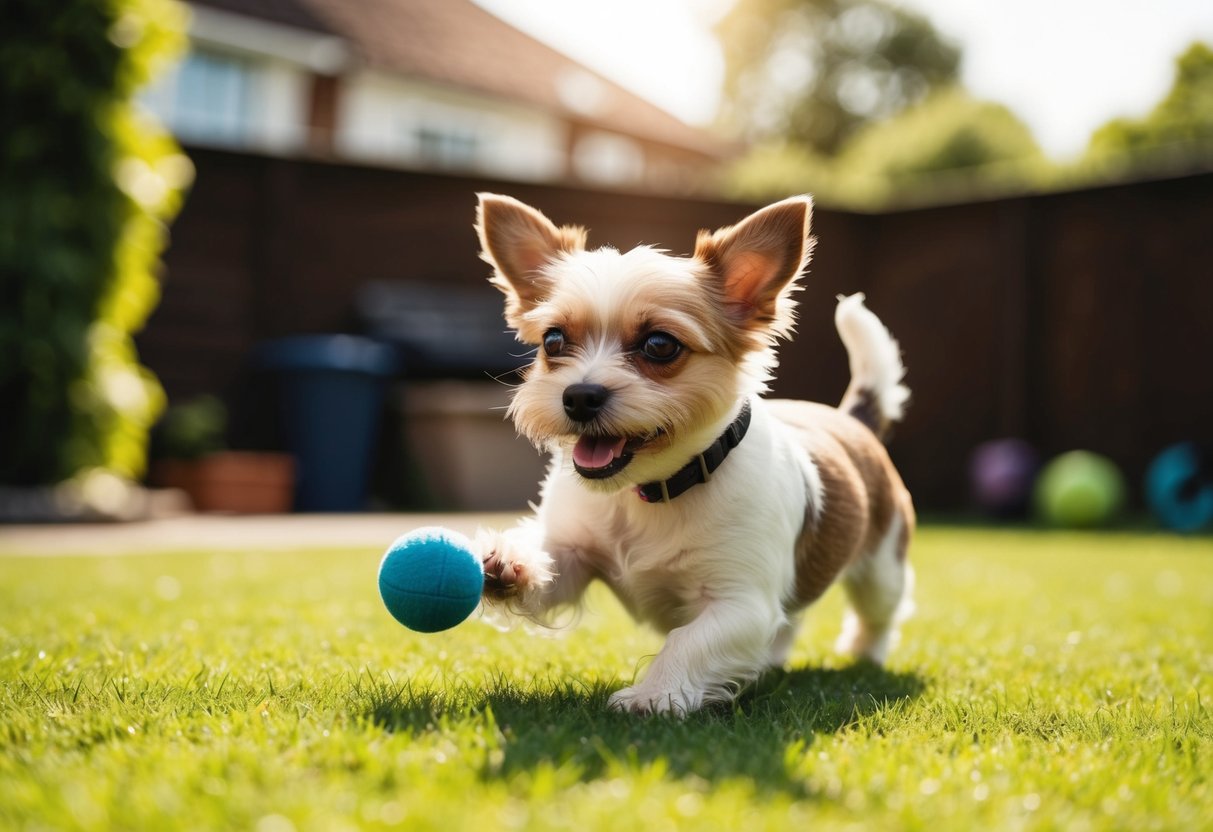
Small dog breeds, like Chihuahuas and Pomeranians, generally reach maturity faster than larger dogs. Typically, a small breed dog is considered an adult by the age of 1 year. At this age, they are comparable to a 15-year-old human in terms of maturity.
Their smaller size means they experience accelerated growth during the first few years. After 1 year, each additional year adds about 4-5 human years to their age. It’s important to monitor their health closely, as small breeds can be prone to specific health issues as they age.
Large Breeds: Growth and Maturity
Large dog breeds, including Labrador Retrievers and German Shepherds, usually take longer to mature. At age 1, a large breed dog may be comparable to a 10-12 year old human. They go through a more gradual growth process and often don’t reach full maturity until they are around 2-3 years old.
The aging rate for large breeds tends to increase after 1 year, where each subsequent year can add 6-7 human years. Because of their size, large breeds often have shorter lifespans than their smaller counterparts. Regular vet check-ups are crucial for monitoring their health throughout their life stages.
Health and Care for Young Adult Dogs
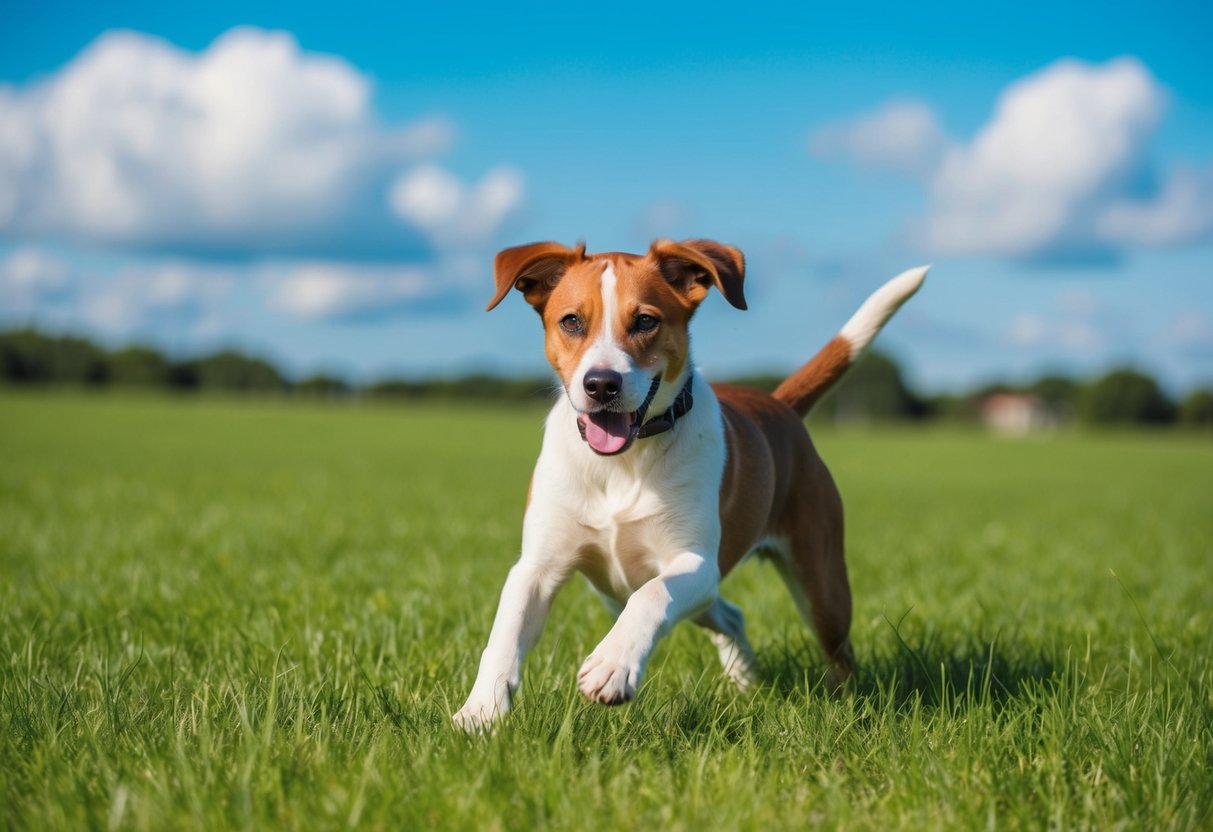
Taking care of your one-year-old dog is important for their health and happiness. Establishing good habits now will benefit them throughout their life. Focus on regular veterinary check-ups, proper nutrition, and being aware of potential health issues.
Routine Check-Ups with a Veterinarian
Regular visits to the veterinarian are crucial at this stage. Your one-year-old dog should have check-ups every 6 to 12 months. These visits help monitor growth, vaccinations, and overall health.
During a check-up, the vet will:
- Assess weight and body condition
- Check dental health
- Ensure vaccinations are up to date
It’s also a chance for you to ask questions about your dog’s behavior or diet. Knowing the dog age chart can help you understand how your dog’s age compares to human years. This knowledge can inform your discussions with the vet.
Nutrition and Exercise for Optimal Health
Proper nutrition is essential for your young adult dog’s health. Transition from puppy food to a high-quality adult diet. Look for food that specifies it meets the nutritional needs for your dog’s size and activity level.
Exercise is equally important. Aim for at least 1 hour of physical activity daily. Activities can include:
- Walking
- Running
- Playing fetch
This helps keep your dog physically fit and mentally stimulated, reducing the chances of behavior issues. Balance is key; avoid over-exercising, especially in hot weather. Regular playtime also strengthens your bond.
Age-Related Health Issues and Prevention
Even at one year old, your dog can show signs of aging or health issues. Common concerns include hip dysplasia, obesity, and dental problems. It’s important to recognize the signs early.
Watch for symptoms like:
- Decreased energy
- Changes in appetite
- Difficulty in movement
Regular cleaning of teeth and monitoring weight can help prevent these issues. Discuss any concerns with your veterinarian. They can suggest preventive measures tailored to your dog’s needs. Staying proactive can keep your dog healthy and feeling great as they age.
Planning for the Future
Thinking about your dog’s future is important, especially as they reach the age of one. At this stage, you can prepare for their needs as they grow older, which includes understanding their health and making smart decisions about care and insurance.
Understanding Senior Dogs and Longevity
As dogs age, they enter their senior years, typically around 7 years old for most breeds. However, smaller breeds may stay young longer than larger ones.
Recognizing the signs of aging can help you make necessary changes in their care. Common health issues in senior dogs include arthritis, dental disease, and heart problems. Regular vet check-ups are crucial for early detection.
Keeping your dog active with exercise and a proper diet can also promote longevity. Consider providing joint supplements or adjusting their food to support their changing needs. This proactive approach can make a significant difference in your dog’s quality of life.
Investing in Pet Insurance
Pet insurance can be a great investment. As your dog ages, their health may require more attention, leading to higher veterinary costs. With pet insurance, you can offset these expenses and ensure your furry friend receives the care they need.
When choosing a policy, look for coverage that includes routine check-ups, emergencies, and specialized treatments. Make sure to read the fine print to understand what is and isn’t covered.
Calculating potential costs of veterinary care against the cost of premiums can help you decide if insurance is right for you. Having peace of mind can make caring for your dog less stressful.
The Role of DNA Methylation in Aging
DNA methylation is a biological process that influences aging in both dogs and humans. It refers to the addition of a methyl group to the DNA molecule, which can affect gene expression.
As dogs age, changes in DNA methylation patterns can impact their health. Researchers study these patterns to understand how aging affects dogs and to explore ways to enhance longevity.
This emerging field highlights the importance of genetics in your dog’s health. You can support your dog’s well-being through a balanced diet, regular exercise, and routine veterinary visits. Keeping an eye on their health can promote a longer, happier life.


