
If you’re curious about whether a chimp is happy, pay close attention to their face, body, and the sounds they make. Happy chimps often show a “play face”—their lips cover the top teeth, but you’ll see the bottom teeth, sometimes with soft, giggly noises.
These signals usually mean the chimp feels relaxed and is enjoying what’s happening around them.
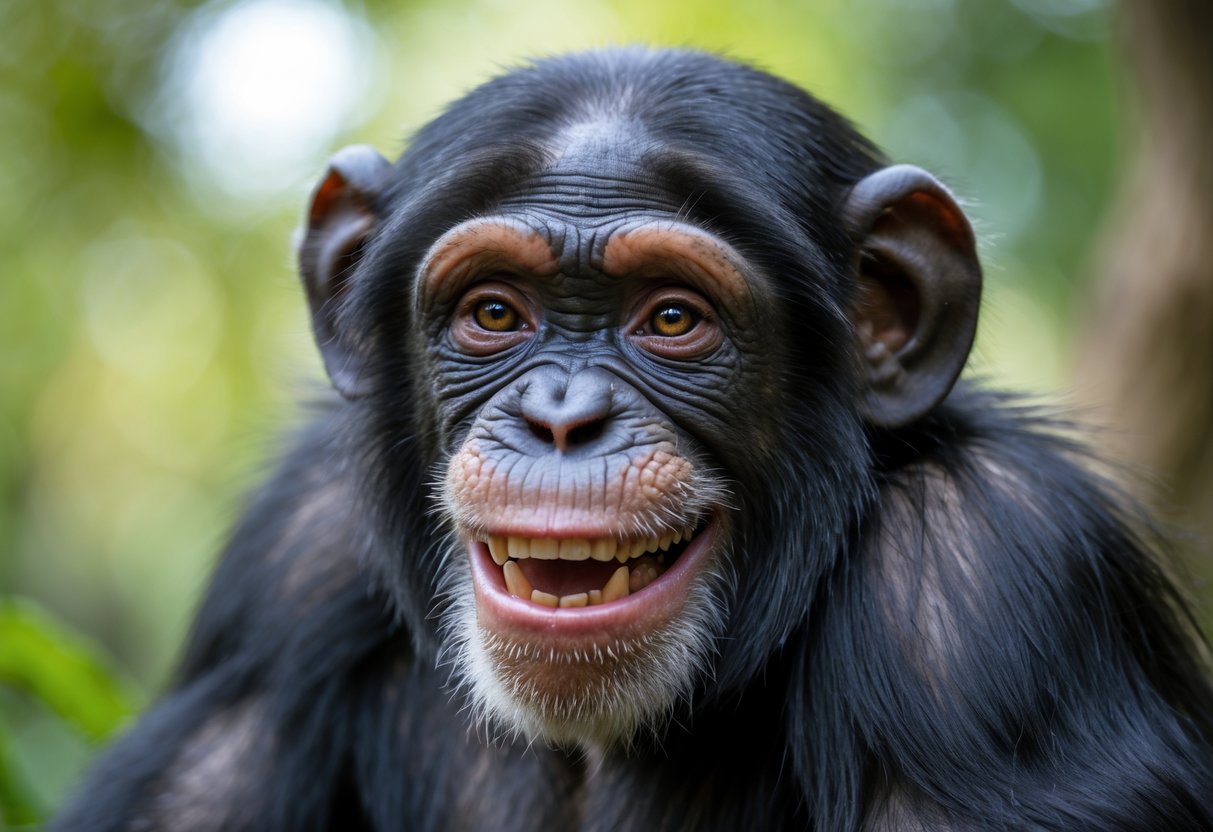
You’ll probably notice happy chimps playing, grooming each other, or just moving in easy, gentle ways. They might let out soft laughs or gentle hoots with their friends, which tells you they feel safe and connected.
If you learn to spot these signals, you’ll start catching those little moments when a chimp is genuinely happy. It makes hanging out with them a lot more interesting, honestly. If you want more details, here’s a guide on how to tell if a chimp is happy.
Recognizing Happiness in Chimps

You can spot happiness in chimpanzees if you watch their faces, actions, and listen to their sounds. Each little behavior gives you a hint about their mood.
Facial Expressions That Indicate Joy
Chimps have pretty clear facial expressions when they’re happy. One classic look is the play face—their mouths open wide in a relaxed way, sometimes just showing the bottom teeth.
If a chimp sticks out its lower lip or furrows its brow, that’s probably not happiness. On the other hand, a cheerful chimp might have soft eyes and a gentle, relaxed mouth.
If you watch how their face changes from their usual serious look, you’ll get better at telling when they feel playful or content.
Play Behavior and Social Interactions
Play is a big giveaway for happiness in chimps. When they feel joyful, they’ll chase, wrestle, or make playful gestures with each other.
Young chimps do this a lot, but adults join in too. Chimps groom each other for fun and bonding, which makes everyone calm and happy.
You might catch them laughing or making light sounds during these times. When you see relaxed body language and friendly actions, you’re looking at a happy chimp.
Vocalizations Associated With Positive Emotions
Chimps use sounds to show happiness too. Besides laughter-like panting, they’ll make soft hoots or little whistles when they’re in a good mood.
You won’t hear any sharp or aggressive calls during these moments. The happy sounds come out gentle and rhythmic.
These vocalizations help chimps bond and keep their group feeling close. If you listen, you can often tell when a chimp is having fun or inviting someone to play.
If you want to dive deeper into reading chimp behavior, check out Project Chimps facial expressions for more insights.
Factors Affecting Chimpanzee Happiness

A chimp’s happiness depends on lots of things, like their personality and the group they’re in. How they interact with others and what their daily life looks like matter a lot too.
These details shape how chimps feel and act every day.
Genetics and Individual Differences
Every chimp has its own quirks. Just like us, some chimps are naturally more playful, while others act a bit quieter or more serious.
These traits come from their genetics, so knowing a chimp’s personality helps you figure out what makes them happy.
For instance, one chimp might show happiness by playing and making silly faces, while another prefers relaxing in a quiet spot. You’ll notice changes when a chimp feels good, like softer lips or playful eyes.
When you understand these differences, it gets easier to spot signs of happiness and well-being in each chimp.
Environment and Social Structure
A chimp’s environment really shapes their happiness. They need a safe, comfy spot with lots to check out and explore.
Social life? That’s just as important. Chimps stick together in groups, and their relationships mean everything. When they groom each other, play around, or share a snack, they’re building trust and friendship.
Group size matters, too. If there are too many or too few chimps, stress creeps in. But when social bonds run deep, you’ll notice chimps acting more playful and relaxed.
If you keep an eye on these things, you’ll spot when a chimp feels at home and content. Want to dig deeper? Check out Project Chimps’ guide on chimp happiness and behavior.


