
If you’re curious about how to tell if a chimp is happy, you’ll want to watch their faces and body language closely. A happy chimp often flashes a “play face”—lips covering their top teeth, bottom teeth visible, sometimes with these soft, almost giggly laughing sounds as they purse their lips. When you catch these signals, you can bet they’re feeling pretty relaxed and enjoying the moment.

If you watch how chimps act with their buddies, you’ll spot more clues. Happy chimps play together, groom each other, and make gentle noises that show they trust and feel connected. Once you know what to look for, it’s easier to get a sense of their moods and maybe even build a little bond with these clever animals.
Want to dig deeper? Chimps use a whole range of expressions and sounds to share their feelings—even the uneasy or grumpy ones. Picking up on these signals can make every encounter feel a bit more special, honestly.
Recognizing Happiness in Chimps
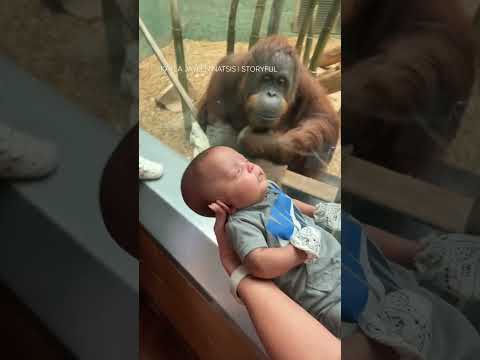
When you watch chimps, you can spot happiness if you really pay attention to their faces, the way they move, and the sounds they make. These little details usually reveal their playful or relaxed moods.
If you keep an eye out for these cues, you’ll get a better feel for when a chimp is having a good day.
Facial Expressions That Indicate Joy
Chimps mostly show happiness through their faces. Unlike us, their “smile” actually signals stress or fear, which can be confusing. So, if you see a play face—mouth open, relaxed, but not showing the top teeth—that’s a good sign.
Some chimps let their bottom lip droop or keep their jaw loose when they’re in a playful mood. Their eyes might look softer, almost like they’re joking around, which means they feel safe.
For example, a chimp might furrow its brow in concentration but then relax its gaze during play. Each chimp has its own baseline look, so when you notice softer eyes or a more relaxed mouth, it’s usually a hint they’re happy.
Noticing these subtle shifts really helps you read how a chimp feels.
Body Language and Playful Behavior
Happy chimps don’t hide their joy—they show it with their bodies. You’ll spot them moving loosely, bouncing around, or making gentle, slow gestures.
Playful chimps love to chase, tickle, or groom each other. These actions almost always mean they’re in a good mood.
When a chimp stretches out or just lies down, that’s another sign they’re comfortable. If you see stiff or tense movements, though, that’s probably stress, not happiness.
During grooming, you’ll often notice their mood improve. Grooming helps them relax and strengthens bonds in the group.
Even just watching others groom can make a chimp feel more at ease.
Vocalizations and Happy Calls
Chimps make certain sounds when they’re happy. You’ll hear soft, breathy laughs or playful hoots, especially when they’re playing or hanging out with friends.
These happy noises sound way different from their louder, harsher alarm calls or aggressive shouts.
Gentle grunts or soft panting usually pop up during calm, positive moments—like when chimps are grooming or exploring something new with curiosity.
If you listen closely to these sounds and watch their faces and bodies, you’ll get a pretty clear read on a chimp’s happiness.
Recognizing these little vocal signals helps you spot when chimps feel safe and genuinely joyful.
For more on chimp facial expressions, check out Project Chimps’ guide on reading facial expressions.
Essential Factors Influencing Chimpanzee Happiness

A few big things shape how happy a chimpanzee feels each day. Their mood depends a lot on their relationships and their own personalities.
These factors all mix together and play off each other in ways that aren’t always obvious.
Social Bonds and Group Interactions
Chimpanzees really thrive on social connections. You’ll see that their happiness often comes from their relationships with other chimps.
Strong friendships and solid group ties help them feel safe and settled.
Positive moments like grooming, playing, or even sharing food can lift their spirits. When chimps support one another, they seem to relax and enjoy life a bit more.
But if there’s a fight or a chimp gets left out, you’ll notice their mood drop.
You’ll see signs of comfort when chimps hang out near their friends or show those playful faces. Their social world has a huge impact on how they show happiness—or, sometimes, distress.
Genetic and Environmental Influences
Genes play a big role in shaping chimpanzees’ moods. Some chimps just seem naturally happier or more anxious, depending on their personality.
For instance, chimps who act more dominant and agreeable often feel better overall.
But it’s not just about genes. The environment really matters too.
If a chimp has enough space, feels safe, and can get food easily, their well-being improves. When chimps end up in stressful or unsafe places, you probably won’t see them acting happy very often.
Nature and nurture both influence why some chimps just seem cheerier than others.
Want to dig deeper into the genetics behind their moods? Check out research on chimpanzee well-being.


