
Ever wondered if chimpanzees feel pain the way we do? The answer’s pretty straightforward: chimpanzees absolutely feel pain, both physically and emotionally.
Their brains process pain in a way that’s strikingly similar to ours. You can see it in how they react—they limp, make noises, or just steer clear of things that hurt them.

Sometimes, you’ll notice chimpanzees comforting each other when one of them gets hurt. That’s a sign they sense pain in others, not just themselves.
It makes you stop and think about how we treat them, especially in zoos or research labs.
Knowing that chimps really do experience pain changes how you see their care. It’s not just about their bodies—it’s about respecting their feelings and how they deal with suffering.
If you’re curious about how they show pain and why kindness matters, let’s dig in a bit more.
How Chimpanzees Experience Pain

Chimpanzees feel pain in ways that really aren’t so different from us. Their bodies and brains react to injuries or discomfort with changes you can spot—or sometimes you might miss them if you’re not paying close attention.
You can often figure out their pain by watching how their brains work and how they act when something hurts.
Neurological Mechanisms of Pain in Chimpanzees
Chimpanzees have brain structures that closely resemble ours, especially the areas that process pain. When something injures a chimp, nerves shoot signals straight to the pain centers in their brains—just like what happens with you.
Their nervous system uses receptors to pick up on damage or anything harmful.
These signals travel up to the spinal cord and then right to the brain, where pain really registers.
This system triggers emotional centers too, so pain isn’t just physical—it can bring stress or sadness. That’s why chimps sometimes react so strongly when they get hurt.
Their brain wiring for pain is so close to humans that it’s hard to deny they feel pain deeply.
Behavioral Responses to Pain
If a chimpanzee feels pain, you’ll probably spot some telltale behaviors. They might avoid using a hurt arm or leg, or just become quieter and keep to themselves.
Sometimes you’ll see them lick or even gently bite the sore spot, trying to soothe it.
Other times, they’ll look for certain plants or leaves to help with swelling or pain, which shows a pretty impressive sense of self-care.
Pain also affects how they act around others. A chimp in pain might look for comfort from a friend or stop joining in on play or grooming.
Watching these behaviors gives you a pretty good clue when a chimp is suffering—even though they can’t tell you in words.
Comparison to Human Pain Perception
Humans and chimpanzees share a lot of the same ways of processing pain. Both species feel the physical sting and the emotional weight that comes with it.
Neither of us sheds tears from pain, but you’ll see facial expressions and body language that make it obvious something hurts.
Chimps can show empathy too—they might comfort a hurting friend, not so different from what we do.
But, of course, chimps can’t explain their pain out loud. So you have to pay close attention to their actions.
Their pain experience is complex and close enough to ours that treating them with care isn’t just nice—it’s necessary. If you want more details, check out this research on their mood and anxiety during pain here.
Effects of Experimentation and Captivity on Pain and Wellbeing
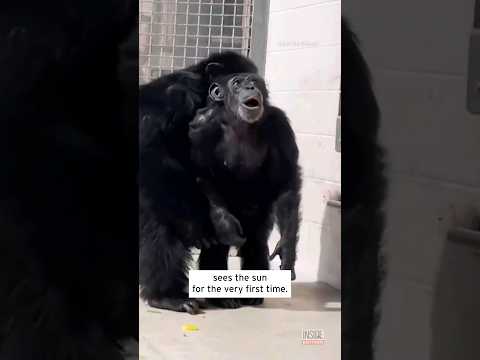
Chimpanzees in labs or captivity deal with both physical pain and emotional stress. Their surroundings, their friends (or lack of them), and their daily routines all shape how they feel pain and cope with tough situations.
Impacts of Experimentation on Pain Responses
When people use chimpanzees in experiments, the chimps often go through painful procedures or injuries. That pain might be sharp or drag on for a while.
But it’s not just about the physical side—they feel emotional pain too, especially when stuck in strange, tight spaces.
Experiments can bring on stress, fear, and confusion, which only adds to their suffering.
Chimps remember bad experiences. You’ll see them change their behavior to avoid getting hurt again.
Pain isn’t just a quick reaction—it can leave a lasting mark. Some folks are working to make research less painful and to improve how chimps are treated.
Pain and Psychological Distress in Captivity
Captivity can mess with a chimpanzee’s mental health. When they lose their social groups or get stuck in small, boring places, anxiety and depression can set in.
You might notice them rocking, hurting themselves, or just withdrawing from everything.
This kind of distress isn’t so different from PTSD in people after trauma. Not having friends or enough to do makes pain even worse—physically and emotionally.
To help, chimpanzees need chances to play, move, and connect with others. Giving them rich, interesting environments helps keep their minds healthier.
Ethical Considerations for Chimpanzee Welfare
It’s important to think about how chimpanzees suffer in labs and cages. They feel pain and distress, honestly, a lot like we do.
Once you realize that, it’s tough to justify causing them harm for no good reason. Many people actively try to protect chimpanzees and push for better care.
Giving them social time, space to move, and chances for mental stimulation really makes a difference. Ethical treatment just can’t ignore their pain or feelings.
Balancing research goals with respect for chimpanzee wellbeing isn’t always easy. If you’re curious, you can find more in studies about chimpanzee captivity and experimentation.


