
If you’ve ever wondered about the Arctic hare and its status in the wild, you’re not alone. These fascinating creatures are well-adapted to survive in the frigid Arctic tundra, making them a unique part of our planet’s wildlife.
Currently, there are no exact statistics on how many Arctic hares exist, but they are considered stable in their natural habitat.

You might be surprised to learn that while these hares can often be seen alone, they can also gather in large groups when food is abundant. Their population numbers can vary based on food availability, making it essential to understand their environment and conservation needs.
By learning more, you can appreciate these remarkable animals and their role in the ecosystem.
As climate change and habitat loss continue to affect wildlife globally, keeping an eye on Arctic hare populations is crucial. Understanding their situation helps us take steps toward protecting them and their icy homes.
Understanding the Arctic Hare
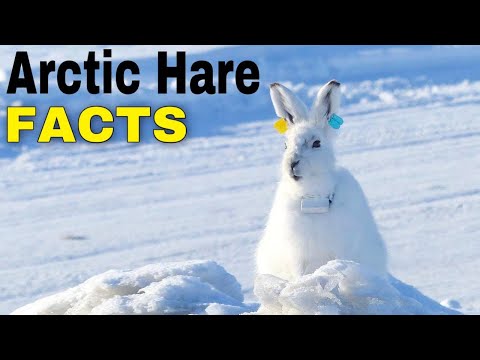
The Arctic hare is a fascinating creature that has adapted to survive in one of the harshest environments on Earth. This section will explore its unique physical characteristics, where it lives, and what it eats.
Physical Characteristics
The Arctic hare is well-known for its striking features. It has a compact body that helps conserve heat, which is essential in its cold habitat. These hares can weigh between 8 to 12 pounds, with a body length of about 18 to 24 inches.
Their fur is thick and changes color with the seasons. In winter, they sport a pure white coat that provides excellent camouflage against the snow. In summer, their fur turns to a gray-brown shade, blending with the tundra rocks and mosses.
Their large hind legs allow them to hop quickly, helping them evade predators like Arctic foxes and lynxes. The ears of the Arctic hare are also short, reducing heat loss while still allowing them to hear accurately.
Distribution and Habitat
You can find Arctic hares primarily in the Arctic tundra regions of Canada and Greenland. They thrive in areas covered with lichen, mosses, and woody plants. These hares prefer open spaces where they can easily spot predators.
Their habitat consists of grassy fields, rocky areas, and even snow-covered landscapes. This adaptability enables them to find shelter during storms or when danger arises.
During the harshest winters, they might create burrows in the snow for added warmth and protection. These hares are solitary animals, often seen alone or in small groups, which helps them avoid drawing attention from predators.
Diet and Foraging Behaviors
As herbivores, Arctic hares have a unique diet mainly consisting of lichen, mosses, and woody plants. In summer, they also enjoy foraging for berries and flowering plants.
These hares are excellent foragers. They use their strong teeth to crunch on tough vegetation, digging through the snow in search of food. One of their favorite plants is saxifrage, a flowering plant that provides important nutrients.
Arctic hares often feed in the early morning or late evening when it’s cooler. This helps them avoid the heat of the day and reduces the risk of becoming prey. Their ability to adapt their diet based on the season is vital for their survival in the Arctic tundra.
Arctic Hare Survival

Arctic hares have unique ways of surviving in their harsh environments. Their reproduction, lifespan, and how they deal with predators are key to their well-being.
Reproduction and Lifespan
Arctic hares reach reproductive maturity by age one. They usually have a breeding season in spring. Female hares can give birth to 1 to 8 leverets in a single litter after a gestation period of about 50 days. These young hares grow quickly and can begin moving around shortly after birth.
The average lifespan of an Arctic hare in the wild is about 3 to 5 years. Factors like food availability and environmental conditions can affect this. Breeding success is crucial for keeping their population stable. The timing of mating and the health of mothers also play important roles in survival.
Predators and Defense Mechanisms
Arctic hares face many natural predators, including arctic foxes, red foxes, snowy owls, and lynxes. To survive, they have developed effective defense mechanisms. Their fur changes colors with the seasons, helping them blend into the snow during winter and rocky terrains in summer.
When threatened, Arctic hares rely on their speed and agility to escape predators. They can make quick turns and leap long distances, which helps them dodge attackers. They also use camouflage, staying still when danger approaches to avoid being spotted.
Behavioral Adaptations
While Arctic hares are primarily solitary animals, they may come together in small groups, especially during the winter. This behavior can provide some safety in numbers. They are known for their “midnight madness,” where they become more active at night, allowing them to feed and avoid daytime predators.
Communication among Arctic hares includes body language, with postures that signal alarm or readiness to mate. Their behaviors help them thrive in a challenging environment. Understanding these habits gives insight into how they maintain their survival in the wilderness.
Conservation Status of Arctic Hares

Arctic hares are currently classified as a species of “Least Concern” by the IUCN. While their populations appear stable, various factors threaten their survival in the wild. Understanding these aspects is essential for the continued protection of this unique species.
Current Population Trends
The population of Arctic hares is believed to be stable across the Arctic regions. They thrive in areas where they can adapt to harsh environments. Their ability to reproduce quickly allows them to maintain healthy numbers. Although specific population estimates are challenging to gather, their widespread distribution indicates they are not facing significant declines at this time.
Threats to Survival
Several factors threaten the Arctic hare’s survival. Climate change impacts their natural habitat, altering food supply and causing habitat loss. Rising temperatures can lead to less snow cover, making it harder for hares to stay hidden from predators. Additionally, human activities like hunting and environmental development can disrupt their habitats and reduce available resources. These challenges highlight the need for constant monitoring.
Protection and Conservation Efforts
Conservation efforts for Arctic hares focus on habitat preservation and climate awareness. Many regions implement regulations to protect their living areas from excessive development. Researchers and wildlife organizations encourage the public to understand the impacts of climate change on Arctic ecosystems. By raising awareness, communities can contribute to the protection of these hares, ensuring their survival in the wild.


