
When you ask how long does it take bees to make honeycomb, the short answer is that a strong colony can start drawing comb in a few days and may finish substantial new comb in about 1 to 2 weeks under ideal conditions. Smaller colonies, poor weather, weak nectar availability, or a new hive can stretch that timeline to several weeks or even longer.

The real timeline depends on the colony’s strength, nectar flow, temperature, and how much empty space you give them. If you want a practical answer, plan for days to weeks for visible comb, and weeks to months for a full, usable comb setup.
Bees do not “build honeycomb” and “make honey” on the same schedule every time. When nectar flow is strong, they can pour energy into wax production and comb construction; when nectar availability drops, the pace slows fast. The same hive can shift from rapid building to quiet maintenance in a matter of days.
Typical Build Time And What A Realistic Range Looks Like

A strong colony in peak season can draw out new comb quickly, especially during a heavy honey flow. A weak start, low nectar availability, or a cool spring can stretch the process much longer.
How Fast A Strong Colony Can Draw New Comb
A healthy hive with lots of workers and strong nectar flow can begin visible comb building in just a few days. In ideal conditions, a strong colony may draw comb in a week to 10 days, which matches beekeeper reports that it can be built surprisingly fast during a surge of nectar gathering, as noted in this comb-building timeline.
Why New Colonies Usually Take Longer
New colonies usually have fewer bees available for wax production. They also spend more time on brood care, foraging setup, and hive organization, so progress often looks slow at first.
The Difference Between Empty Comb And Finished Storage
Empty comb is not the same as finished storage comb. Bees may draw the shape first, then keep refining cells, storing nectar, and capping honey later, so the “done” stage can lag behind the first visible wax.
How Bees Build Comb Inside The Hive
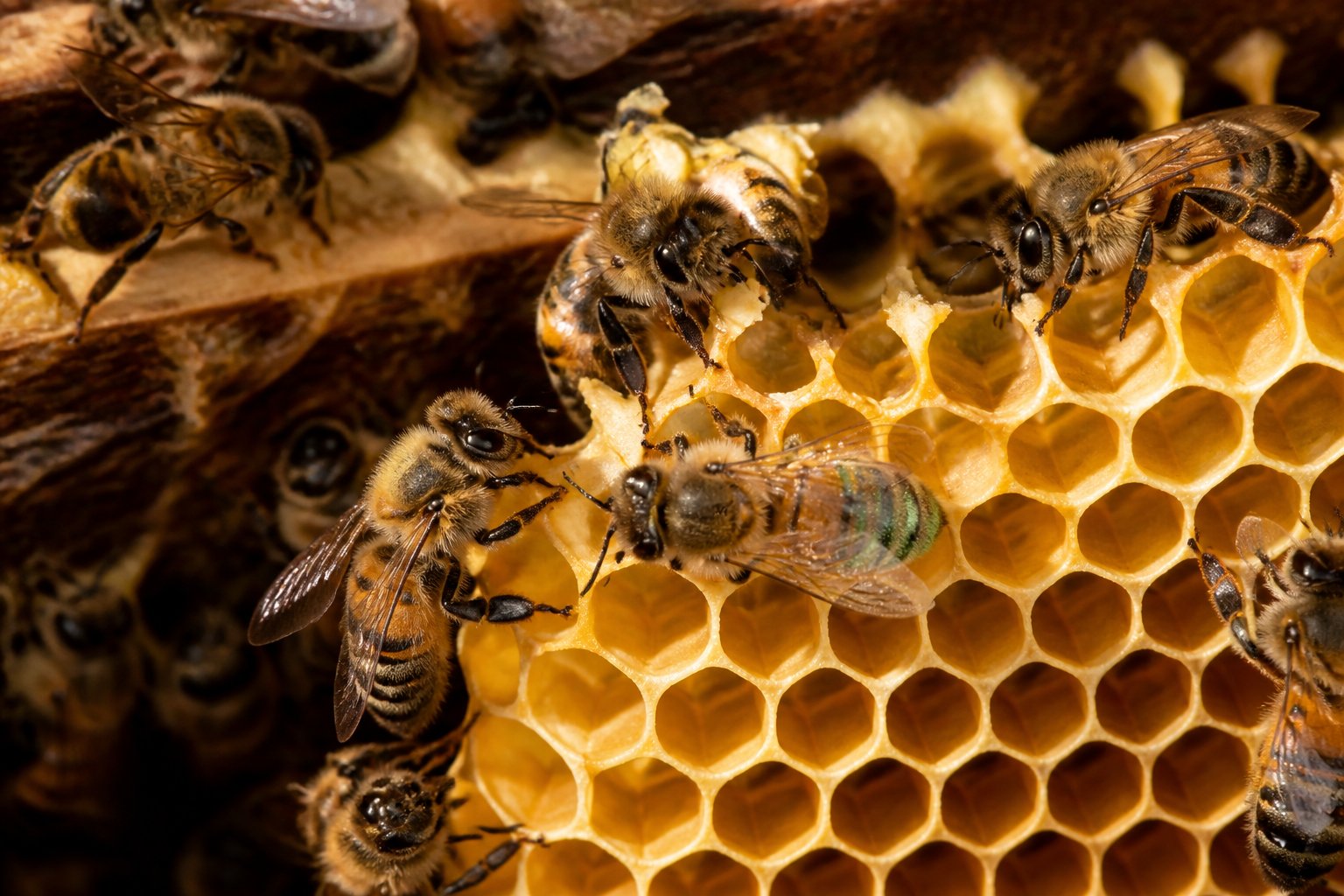
You are watching a coordinated wax-making system when bees build comb. Worker bees produce wax, shape it, and use the finished cells for brood, honey, and pollen storage.
Wax Glands And The Energy Cost Of Wax Production
Worker bees secrete wax from wax glands on the underside of their abdomens. Wax costs a lot of energy to make, which is why colonies build fastest when food is abundant and the weather supports steady work.
From Nectar Collection To Honeycomb Construction
Bees first gather nectar through nectar collection, then convert that energy into wax work. The hive uses that wax in honeycomb construction, layering and shaping the comb as workers pass material from bee to bee.
Why The Honeycomb Structure Uses Hexagons
The honeycomb structure is hexagonal because hexagons pack tightly and use space efficiently. That gives the colony more storage per surface area, which matters for both pollen storage and honey reserves.
Main Factors That Speed Up Or Slow Down Progress

Comb building rises and falls with the same conditions that shape nectar flow and honey flow. If forage is strong and the hive stays warm enough, bees work much faster than they do in a cool, sparse season.
Temperature, Weather, And Seasonal Forage
Warm, stable weather supports wax production and foraging. Cold snaps, rain, and short bloom periods reduce the energy bees can bring back, which slows how bees make honey and how quickly they draw comb.
Colony Population, Brood Demand, And Available Space
A larger colony can assign more workers to comb work. If brood demand is high or space is tight, bees may pause building and shift effort toward caring for young or reorganizing cells.
Why Honey-Making And Comb-Building Do Not Always Peak Together
You can have strong nectar intake without rapid comb expansion, or rapid comb drawing without much honey capping yet. The colony may prioritize wax construction first, then fill cells later when the flow stays strong.
What Interrupts Comb Building And What Happens After
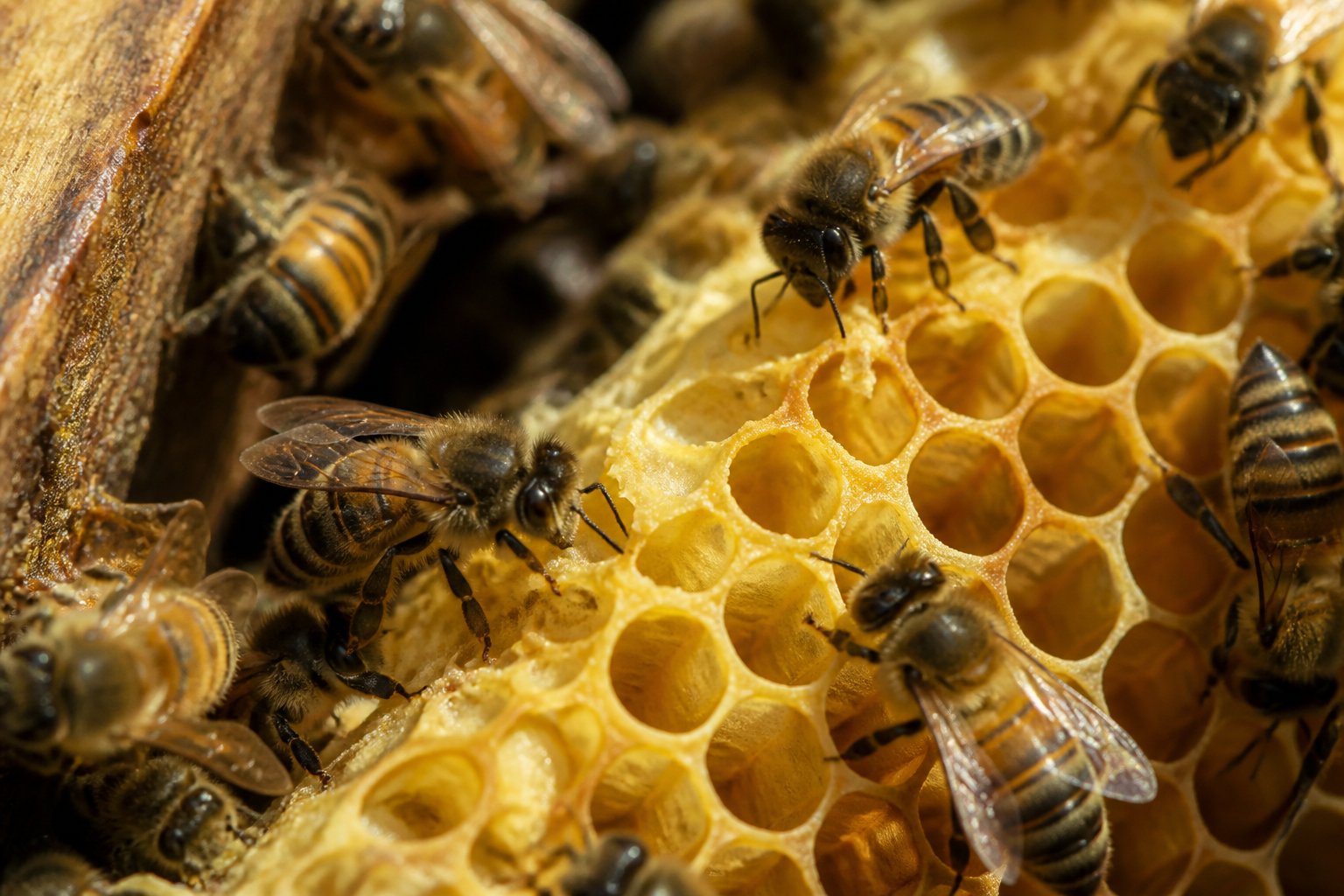
Disease pressure and shifting hive needs can stop comb work fast. Once the comb exists, bees may switch from expanding cells to filling them, repairing them, or managing harvested space.
How Varroa Mites, Nosema, And American Foulbrood Reduce Output
Varroa mites, nosema, and american foulbrood can weaken workers, shorten lifespans, and reduce foraging strength. When the colony is stressed, less energy goes into wax production and comb construction, so progress slows or stops.
When Bees Switch From Building To Filling Cells
Bees often stop drawing new wax once they have enough space or enough incoming nectar to fill existing comb. At that point, they may focus on ripening nectar into honey, which is a different stage from active building.
What To Know About Harvesting And Eating Honeycomb
If you are thinking about eating honeycomb, it is usually harvested only after the comb has been filled and capped. Fresh comb is fragile, and harvesting too early can waste the colony’s energy and reduce usable storage for the hive.


