
If you imagine deer sleeping like people, well, that’s not really how it works. Most deer only rack up about four to five hours of sleep a day, and it’s not in one stretch—it’s broken up into quick, scattered naps that help them stay on guard.
This fast, light sleep explains why you might spot them at odd times, or why they seem to vanish without warning.

We’ll dig into why deer split rest between day and night, where they pick to bed down, and how those short naps help them survive. Whether you’re into wildlife watching, land management, or just plain curious about wild animals, you might find this surprisingly useful.
How Long Do Deer Sleep and Why?
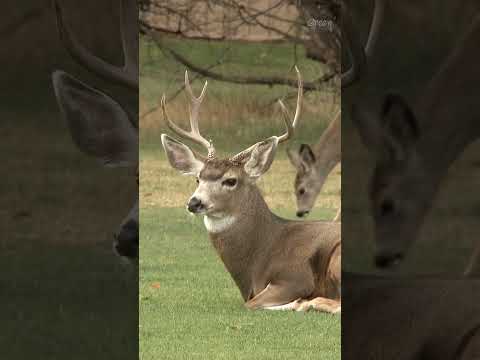
Deer grab sleep in short bursts. They stay alert even while resting and don’t really have a set bedtime.
Let’s get into how much they sleep, why they break it up, and what shakes up their patterns.
Average Daily Sleep Duration in Deer
Most deer rest about 3 to 6 hours total in a day. That’s usually made up of lots of quick naps, not one big sleep.
You might see a deer just lying down and chewing cud for a while, but true deep sleep—like REM—lasts maybe 20–30 minutes a day, tops.
Deer rest more during daylight since they’re crepuscular. They’re most active at dawn and dusk, then bed down when the sun’s brighter.
If a deer lives somewhere safe, say with fewer predators, it’ll sometimes take longer or more frequent naps.
Polyphasic and Fragmented Sleep Patterns
Deer follow a polyphasic sleep pattern. That means they nap a bunch of times instead of sleeping all at once.
You’ll notice them dozing for a few seconds or minutes, then suddenly lifting their head to check their surroundings. This keeps them ready to bolt.
Most of their sleep is light. They only get deep sleep when they’re lying down and tucking their head in.
Sometimes they doze while standing, which lets them spring up fast. This whole approach helps them recover but still keeps an eye out for trouble.
Factors Affecting Deer Sleep Duration
Predators have the biggest impact on how deer sleep. If danger or humans are around, deer keep naps short and move their bedding spots often.
Dense brush or thick woods let them rest longer than open fields. It just feels safer.
Season, temperature, and food all play a role too. Cold weather might push deer to rest more, and if food is everywhere, they might spend less time ruminating or shift when they nap.
Your local deer could act a bit different, depending on what’s going on around them.
How and When Deer Sleep

Deer rest in quick bursts, always keeping an ear out for danger. They pick bedding spots based on cover and food.
Let’s talk about how they position their bodies, when they actually sleep, and whether they do it standing or lying down.
Deer Sleep Positions and Postures
Deer usually lie with their legs tucked underneath and their heads up. You can tell they’re relaxed, but they’re still ready to move if they need to.
In cold weather, you might catch a deer curled up, nose tucked under a hind leg to keep warm. When they want deeper rest, they’ll roll onto their side—but that doesn’t last long.
Even while dozing, their ears keep moving. If you see a deer snap its head up at a sound, it’s probably just in light sleep.
Fawns sometimes sleep flatter on the ground, which looks more vulnerable, so their moms pick extra-sheltered spots.
Do Deer Sleep Standing Up or Lying Down?
Deer can do both, but most of their light dozing happens while standing. That way, they can run at the first sign of trouble.
You’ll notice them lock their legs so they can rest on their feet without much effort.
When deer feel safe and need real rest, they’ll lie down. White-tailed and mule deer both do this to chew cud or get a bit of deep sleep.
Moose lie down too, but usually in thicker cover since they’re so big. Even then, deep sleep is quick, and they’ll wake up fast if you get close.
When Do Deer Sleep: Day, Night, or Twilight?
Deer are mainly crepuscular. You’ll see them up and about at dawn and dusk, feeding when the light’s low.
They tend to rest more during the day, especially where there’s hunting or lots of people. In really quiet places, they might nap more at night.
Their sleep is scattered in short naps all day and night. Usually, they’ll bed down after feeding in the morning or evening.
Season changes and food supply can shift their routine. During the rut or in harsh cold, their sleep patterns get even more unpredictable.
Do Deer Sleep Alone or in Groups?
Deer usually bed down in groups for safety, especially does and yearlings. You’ll probably notice one or two deer keeping watch while the others rest.
They share the job of staying alert, so no one has to be on edge the whole time.
Bucks often bed alone when it’s not mating season. Fawns stick close to their mothers for warmth and a bit of extra protection.
Group size really depends on the habitat. When there’s thick cover and plenty of food, deer tend to gather in larger groups.
If resources are scarce or predators are lurking, you’ll see them break up into smaller, more scattered groups.
Curious about how long deer nap or how predators influence their sleep? Check out World Deer for more details.


