
Rabbits are adorable companions, but it’s important to know how to care for them properly. Most rabbits cannot go without water for more than 24 hours, as this can be fatal. Understanding their hydration needs is key to keeping them happy and healthy.

If you’ve ever wondered how long your furry friend can manage without their favorite drink, you’re not alone. Many rabbit owners face this question, especially during hot weather or when traveling. Knowing what to look for and how to respond can make all the difference in your pet’s well-being.
In this article, we will explore the signs of dehydration and tips on how to keep your rabbit’s water supply consistent. Your efforts can help ensure that your rabbit lives a long and healthy life.
Understanding Rabbit Hydration

Proper hydration is essential for your rabbit’s health. Knowing how important water is and how to spot signs of dehydration can help keep your pet safe and happy.
The Importance of Water for Rabbits
Water plays a vital role in your rabbit’s health. Their bodies are made up of about 60% water, making hydration crucial. Drinking water helps with digestion and prevents serious health issues like constipation and gastrointestinal stasis.
Rabbits also lose water through urine and feces. When they don’t drink enough, they can quickly become dehydrated. This can lead to health problems that are hard to treat. Always ensure your rabbit has access to fresh and clean drinking water at all times.
Recognizing Dehydration in Rabbits
Dehydration can happen quickly in rabbits, and it’s important to identify it early. Here are common signs you might notice:
- Lethargy: Your rabbit may seem more tired than usual.
- Sunken Eyes: Look for eyes that appear less full.
- Tight Skin: Gently pinch the skin. It should return quickly. If it doesn’t, your rabbit might be dehydrated.
If you notice any of these symptoms, it’s crucial to get your rabbit water right away. In severe cases, dehydration can be life-threatening, so staying alert and proactive about your rabbit’s hydration needs is essential.
Rabbit Physiology and Water Consumption

Understanding how rabbits use water is key to keeping them healthy. Their bodies rely heavily on water for many functions. Certain factors, such as their diet and the weather, also play a crucial role in determining their hydration needs.
How a Rabbit’s Body Uses Water
Water is essential for your rabbit’s well-being. It helps maintain body temperature, supports blood flow, and ensures proper organ function. Rabbits have a high metabolism, requiring consistent hydration to function effectively.
A rabbit’s body weight directly influences how much water it needs. On average, they should drink about 2 to 4 ounces of water per pound of body weight daily. This amount can change with temperature and weather conditions. For example, rabbits may need more water during hot weather when they sweat and lose fluids.
Factors Affecting Water Needs
Several factors affect how much water your rabbit needs.
- Diet: A diet high in hay needs more water. Fresh vegetables can also impact water consumption.
- Temperature: In summer, rabbits require more water due to heat. In winter, they might drink less, but hydration is still important.
- Activity Level: More active rabbits can lose fluids quickly, needing extra water to stay hydrated.
- Age: Younger and older rabbits often have different hydration needs.
By paying attention to these factors, you can help ensure that your rabbit stays healthy and well-hydrated.
Caring for Your Rabbit’s Hydration
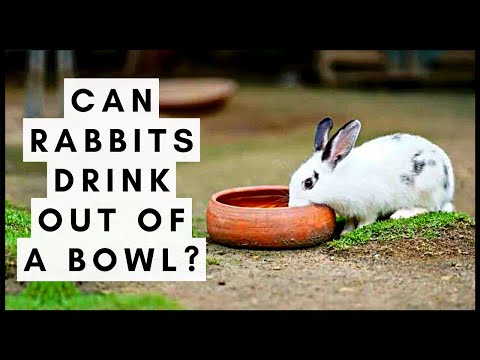
Keeping your rabbit properly hydrated is crucial for their health. Fresh and clean water is essential for rabbits to thrive. Here’s what you need to know about providing water, recognizing signs of dehydration, and when to seek veterinary help.
Providing Clean Drinking Water
You should always offer your rabbit clean drinking water. This ensures they stay hydrated. You can use a water bowl or a water bottle. Both options have their benefits.
- Water Bowls: They allow rabbits to drink freely and are easier to clean. Choose a heavy bowl that won’t tip over.
- Water Bottles: These keep the water clean and can prevent spills. Make sure the nozzle is suitable for your rabbit’s size.
Change the water daily to keep it fresh. Check for any signs of contamination, as dirty water can lead to health issues. Encourage drinking by placing the water source in a familiar spot.
Signs Your Rabbit Isn’t Drinking Enough
Be aware of your rabbit’s drinking habits. If you notice changes, it could mean they aren’t drinking enough. Key signs include:
- Decreased Urine Output: Watch for less urine in the litter box.
- Lethargy: If your rabbit seems tired or less active, it might indicate dehydration.
- Dry Mouth or Gums: Check their mouth to see if it feels dry.
Other symptoms can include:
- Loss of Appetite: A decrease in food intake can signal problems.
- Behavior Changes: If your rabbit is more withdrawn than usual, it may be uncomfortable.
These signs suggest you should take immediate action.
When to Consult a Veterinarian
If you suspect your rabbit is dehydrated, consult a veterinarian. Early intervention is vital to prevent serious complications. Dehydration can lead to organ failure, which is life-threatening.
Reach out to your vet if you notice any of these concerning signs:
- Prolonged Lethargy: If your rabbit continues to be inactive.
- Severe Loss of Appetite: Not eating for more than a day is alarming.
- Changes in Water Intake: If they are not drinking at all.
Timely veterinary attention can help ensure your rabbit’s health and well-being.
Diet and Hydration Strategies for Rabbits

A good diet is essential for your rabbit’s hydration and overall health. By providing the right foods, you can keep your rabbit well-hydrated and free from dental problems.
Incorporating Hydrating Foods
You can help your rabbit stay hydrated by incorporating fresh, hydrating foods into their diet. Leafy greens like romaine lettuce, cilantro, and parsley not only provide hydration but also essential nutrients.
Aim to feed your rabbit a mix of these greens daily. Ensure that they are fresh to prevent any bacterial growth.
Avoid high-sugar fruits, but small pieces of watermelon or cucumber can make great treats due to their high water content. Monitor your rabbit’s reaction to new foods to prevent any digestive issues.
Providing access to hay is also crucial. It aids in their digestion and encourages water intake. Remember to keep fresh water available at all times.
Understanding and Preventing Dental Issues
Your rabbit’s well-being depends on good dental health. A diet that lacks fiber can lead to dental problems. These problems can make it hard for your rabbit to eat properly.
Feeding your rabbit a good amount of hay is key. This helps wear down their teeth naturally. Pellets can be part of their diet too, but make sure they are high in fiber and low in calcium.
Regularly check your rabbit’s teeth for any signs of overgrowth or discomfort. If you notice issues, consult your vet. If necessary, you can use a syringe to provide water if your rabbit is not drinking enough.
Monitoring their diet and hydration can help prevent dental issues and keep your furry friend healthy.


