
As a bunny owner, you might wonder how long your furry friend can go without eating. A rabbit can typically survive without food for about 3 to 4 days, but it is crucial to address their eating habits immediately if they stop.
Rabbits have a unique digestive system that requires them to graze constantly. This means they should have access to hay, fresh vegetables, and pellets at all times.
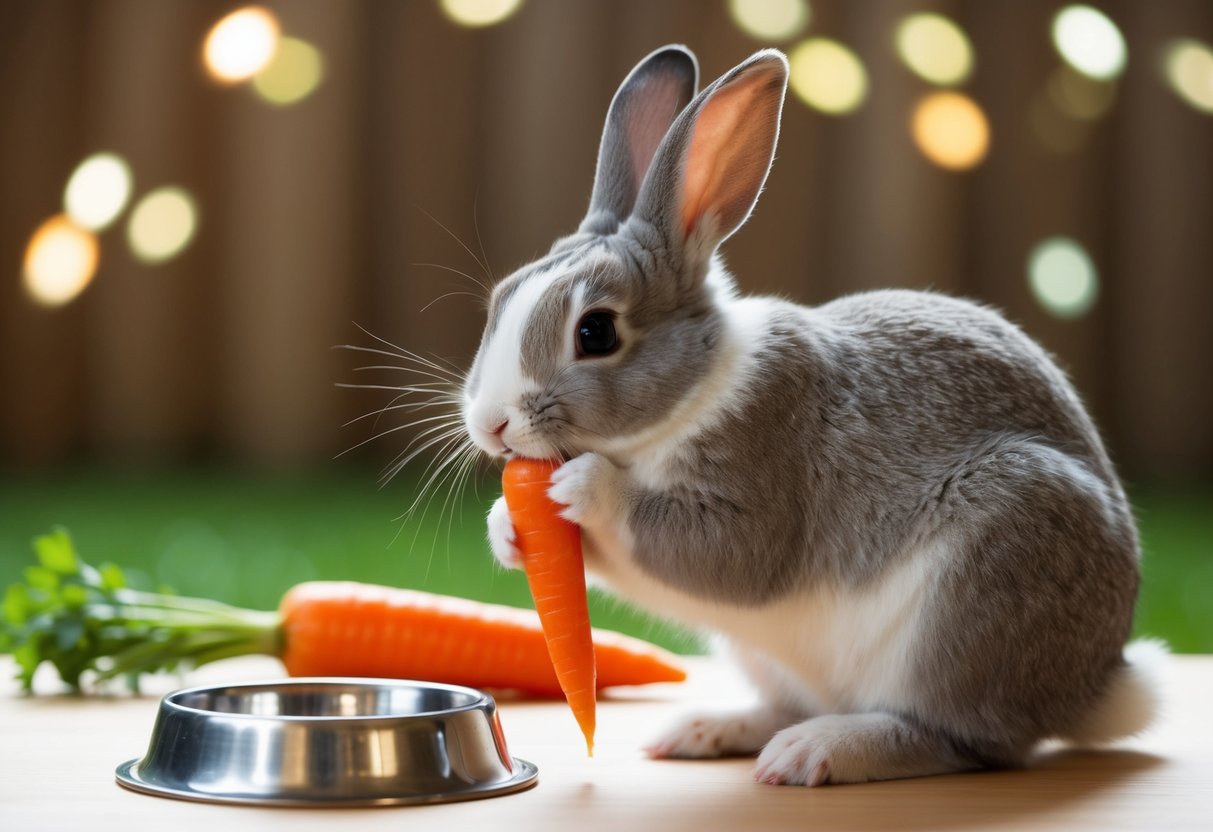
Understanding how long a rabbit can go without food can help you know when to be concerned. Even a short period without eating can lead to serious issues like gastrointestinal stasis, which is a major risk for these delicate creatures.
Keeping your bunny healthy involves not just monitoring their food intake but also ensuring they are always nibbling to maintain their well-being.
Understanding Rabbit Nutrition

Rabbit nutrition is vital for their overall health and well-being. Providing the right balance of food ensures that your bunny stays happy and avoids health issues.
Focus on their unique dietary needs to keep them nourished and thriving.
Importance of a Balanced Diet
A balanced diet for your rabbit is crucial. It should consist mainly of high-quality grass hay, which aids in digestion and helps maintain dental health.
Hay should be available at all times, giving your bunny the opportunity to graze throughout the day.
Pellets can supplement their diet, but limit these to avoid obesity. Look for pellets that are high in fiber and low in protein and calcium.
Leafy greens and some vegetables can add variety and nutrients. Introduce these gradually to avoid upsetting their sensitive digestive systems. Fruits should be given sparingly due to their sugar content.
Keep an eye on your rabbit’s health and adjust their diet as needed.
Unique Dietary Needs of Rabbits
Rabbits have unique dietary needs that differ from other pets. Their digestive systems require constant access to fresh food. Grazing helps keep their stomachs working properly.
Incorporate a mix of hay, pellets, leafy greens, and vegetables to fulfill their needs. Some safe leafy greens include romaine lettuce, cilantro, and parsley.
Avoid feeding your rabbit foods that are toxic, like onions or chocolate. Also, be cautious with starchy vegetables and fruits.
Always monitor your rabbit for any signs of health issues that may arise from their diet. Regular vet check-ups can help ensure your bunny remains healthy.
Risks of Food Deprivation
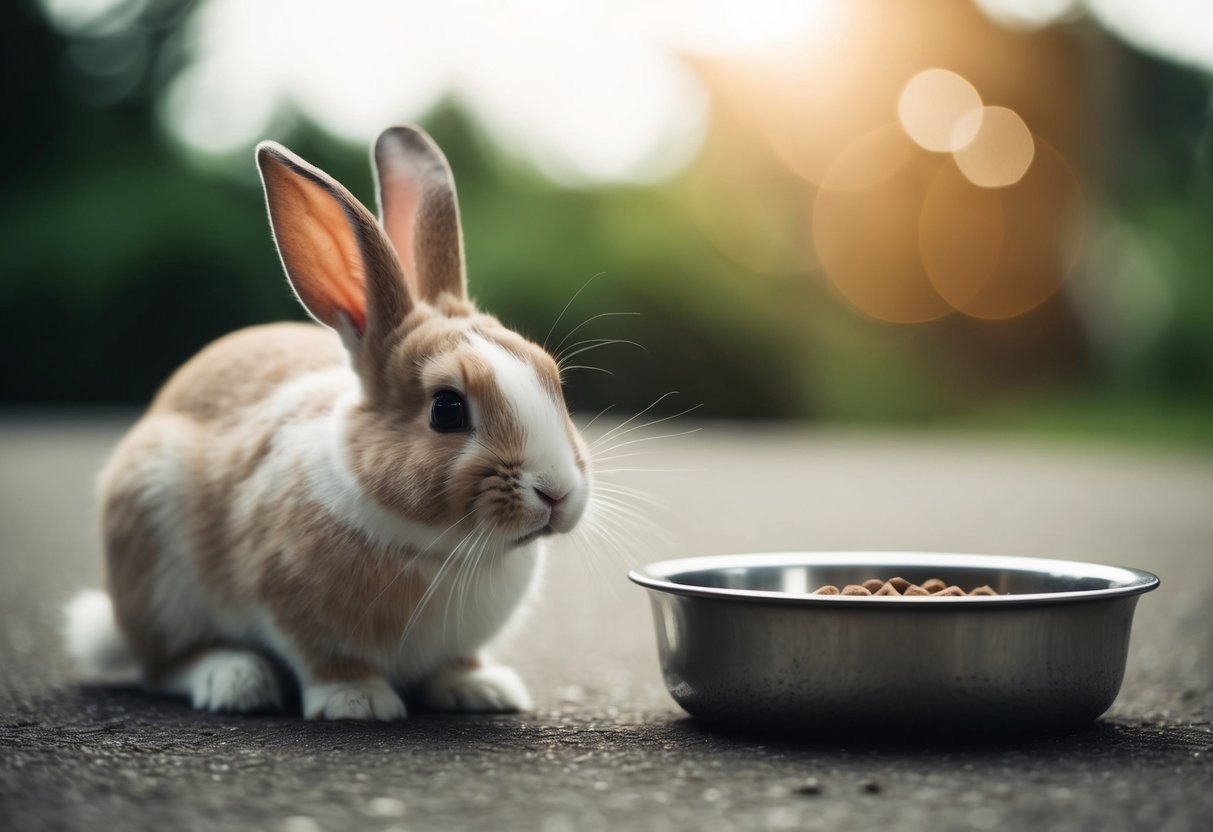
When your rabbit goes without food, it can face serious health problems. Food deprivation can lead to issues within the digestive system and affect their overall well-being. Here are two significant risks to consider.
Gastrointestinal Stasis and Other Health Concerns
Gastrointestinal stasis, or GI stasis, is a critical issue that can occur when a rabbit doesn’t eat. This condition means that the digestive system slows down or stops working.
When this happens, gas and bloating may result, which can be very painful for your rabbit.
Without food, your rabbit may experience a loss of appetite, leading to lethargy and weakness. In some cases, stress can further worsen the situation, making your rabbit even less likely to eat.
If not addressed promptly, GI stasis can be life-threatening.
Hydration and Its Role
Hydration is just as vital as food for your rabbit’s health. If your rabbit doesn’t eat, it may also drink less water.
Dehydration can lead to further health issues, including kidney problems.
Water helps keep the digestive system working smoothly. Without enough hydration, your rabbit might face difficulties such as constipation and decreased gut movement.
Make sure your rabbit always has access to fresh water. This will help support its health during times of food deprivation.
Caring for Your Pet Rabbit
Taking care of your pet rabbit means paying close attention to their feeding schedule and exercise needs, as well as knowing when to seek veterinary help.
Keeping your rabbit healthy is essential for a happy life.
Feeding Schedule and Exercise
Your rabbit needs a consistent feeding schedule to stay healthy. Offer hay daily, as it aids digestion and prevents obesity. You should also provide fresh, leafy greens and a small amount of pellets.
Monitor portion sizes to help prevent weight loss or obesity.
- Daily Menu:
- Hay: Unlimited
- Greens: 1-2 cups (depending on size)
- Pellets: 1/4 cup for every 5 pounds of body weight
Regular exercise is also vital. Aim for at least 3-4 hours of playtime each day.
Bunnies need space to hop and explore. A safe, enclosed area helps them stay active. This helps prevent health issues like dental problems and liver disease.
Recognizing When to Seek Veterinary Help
Keep a watchful eye on your rabbit’s behavior and weight. Look for signs of illness such as lethargy, lack of appetite, or weight loss. If you notice any of these, consult with your vet as soon as possible.
- Signs to Watch:
- Reduced eating or drinking
- Weight loss or being underweight
- Changes in behavior or grooming habits
Also, talk to your vet about dental issues or signs of diabetes. Regular check-ups can help catch problems early. Remember, sick rabbits may not show clear signs until their health declines significantly, so stay attentive.


