
Ever been stung by a bee and wondered how quickly a serious allergic reaction might kick in? Anaphylaxis usually starts minutes after the sting—sometimes as fast as 5 minutes, but it can take up to two hours in rare cases. That window matters a lot, so keep an eye out for symptoms and be ready to act if things go south.

People react differently to bee stings. Most folks just get mild swelling or pain.
But if you’ve got allergies or you start noticing trouble breathing, hives, or swelling, don’t brush it off. Knowing when anaphylaxis might hit could help you stay safe and get help in time.
Timeline and Symptoms of Anaphylaxis After a Bee Sting

It’s pretty important to know when anaphylaxis can show up—and what to watch for—after a bee sting. Symptoms might appear in seconds or take a bit longer.
The type of reaction you have changes how urgent things are.
Typical Onset Window for Anaphylaxis
Most of the time, anaphylactic reactions start within 5 to 30 minutes. Sometimes, symptoms hit fast—like under 10 minutes.
That’s a good reason to stay alert right after a sting.
If you notice symptoms later, it’s still possible, just not as common. Sometimes, late reactions can pop up an hour or two after the sting.
During this time, watch for:
- Hives or rash
- Swelling of face, lips, or throat
- Trouble breathing or wheezing
- Dizziness or fainting
You really need to treat anaphylaxis fast—it can get worse in no time.
Early Warning Signs and Symptoms
Before full-blown anaphylaxis, you might spot some early warning signs. They usually start off mild but can ramp up quickly.
Look out for:
- Itching or rash near where you got stung
- Swelling that spreads past the sting
- Tightness in your throat or mouth
- Stomach pain, nausea, or vomiting
If you notice breathing trouble or throat swelling, get medical help right away. Your body could be gearing up for something serious.
Delayed and Biphasic Reactions
Sometimes, anaphylaxis doesn’t show up right away. Delayed onset can happen hours after the sting, though it’s rare.
Some people feel fine at first, then symptoms show up later.
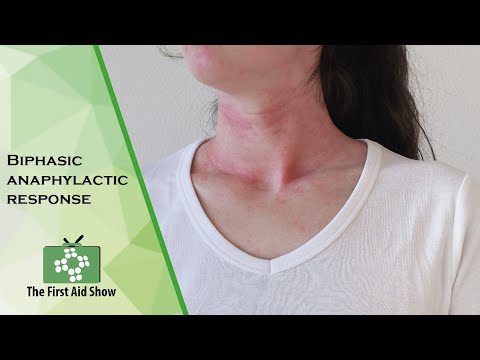
With a biphasic reaction, symptoms get better after treatment but then return hours later. This can happen 4 to 12 hours after the first reaction.
That’s why doctors often want to keep an eye on you for a while.
Signs in these phases are a lot like the first ones:
- Hives or swelling coming back
- New trouble breathing
- Dizziness from a sudden drop in blood pressure
If symptoms return or get worse, don’t wait—get emergency care. These reactions can be dangerous.
Diagnosis, Emergency Response, and Long-Term Management
Knowing how to spot and deal with a serious allergic reaction after a bee sting could honestly save your life. Quick action with the right treatment makes all the difference.
Diagnosis and Allergy Testing
If you’ve had a serious reaction to a bee sting, you’ll probably see an allergist. They can run tests to figure out if you’re allergic to bee venom.
Usually, they use skin tests—putting a little venom on or under your skin. Blood tests can also measure your allergic response.
Doctors typically wait a few weeks after the sting to test, since your body might not react right away (they call this “anergy”). Getting an accurate diagnosis helps your doctor work out the best plan for you.
Immediate Responses and Emergency Treatments
When you notice signs of anaphylaxis—like trouble breathing, swelling, or chest tightness—grab your epinephrine auto-injector (EpiPen) and use it immediately. Epinephrine works fast and is the top choice for reversing severe allergic reactions.
After using the auto-injector, call emergency services or head straight to the hospital. Symptoms can come back, even if you start to feel better.
Doctors might give you antihistamines or steroids to ease swelling and itching, but don’t swap those for epinephrine. It’s the main thing that works in a crisis.
Prevention and Ongoing Management
Your doctor might suggest venom immunotherapy, also called desensitization therapy, to help lower your risk of another reaction. With this treatment, you’ll get regular injections of small amounts of bee venom, so your body gradually gets used to it.
Make sure you always have your epinephrine auto-injector with you. Let people nearby know about your allergy, just in case.
Try to avoid situations where you might get stung. It’s smart to have an emergency plan ready—better safe than sorry, right?


