
If you want to avoid getting attacked by bees, staying calm and moving slowly really matters. Don’t swat at bees or make sudden moves—honestly, that just seems to rile them up.
Wearing snug clothes and covering your skin can help keep bees away.

If a bee starts buzzing around your head or bumping into you, just walk away calmly. Running or flailing your arms will probably make things worse.
Knowing how to react when bees are nearby can keep you safe. It also helps you avoid bothering these important insects.
A few simple tips can lower your chance of getting stung. You might even find yourself enjoying time outside a bit more.
Essential Steps to Prevent Bees From Attacking You
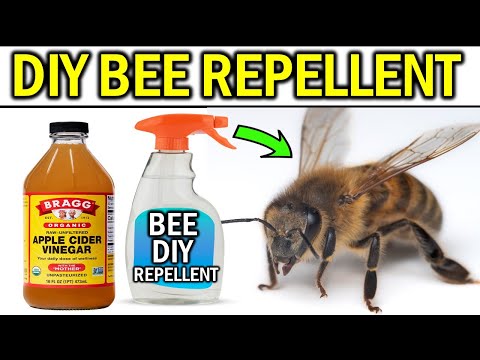
If you know how bees show aggression and what to do when you spot them, you can keep yourself out of trouble. Watch their behavior and react calmly to protect yourself from bee attacks.
Recognizing Warning Signs of Bee Aggression
Bees usually warn you before they attack. You might notice them circling you more than usual or buzzing loudly near your head.
Aggressive honey bees or Africanized honey bees (yep, the so-called “killer bees”) move fast and might raise their abdomens. That’s a pretty clear sign.
If bees start swarming close or bumping into your skin, they probably feel threatened. Watch for steady, direct movement toward you instead of random flight.
Spotting these signs early gives you a chance to act before things go south. Understanding bee behavior can help you avoid panicking.
Safe Actions During a Bee Encounter
When bees act aggressively, try to stay calm. Don’t make sudden moves.
Back away slowly and steadily. Running or flailing your arms just amps up their aggression.
If you see a car or building, get inside fast. Shut the doors and windows behind you.
If there’s no shelter, run in a straight line away from the bees. Don’t zigzag—just go.
Avoid jumping into water. Bees often wait near the surface.
If you get stung, scrape the stinger out with your fingernail or a card. Don’t pinch it, or you’ll squeeze more venom in.
If you have a severe allergic reaction, get medical help right away.
Mistakes to Avoid When Bees Are Aggressive
Don’t swat at bees or try to hit them with anything. That just makes things worse, especially with Africanized honey bees.
Skip the bright colors, perfumes, and strong scents—they attract bees like magnets.
Keep pets and kids indoors while you do yard work. Loud noises and movement near plants can provoke bees.
If someone else is being attacked, call emergency services instead of trying to rescue them. It’s safer for everyone.
Don’t dive into water or hide under bushes. Those moves can trap bees close to you.
If you want a deeper dive into what to do during a bee swarm, check out this guide: what to do when a swarm of bees attacks.
Practical Safety Measures and Understanding Bee Aggression

If you know how to avoid attracting bees, why they get aggressive, and what to do if you get stung, you’ll be way ahead. Simple actions around bees can save you a lot of hassle.
Reducing Attraction to Bees in Outdoor Settings
Bees love sweet smells and bright colors. Leave the strong perfumes, scented lotions, and flashy clothes at home when you’re outside.
Keep food covered and trash bins sealed. Food smells—especially sugary or protein-rich ones—can make bees curious.
Try not to stand near flowering plants, bee hives, or spots where bees seem busy.
Windy, rainy, or chilly weather can make bees cranky. If you notice more bee activity, it might be a good time to head indoors.
Staying calm and moving gently also helps keep bees from getting upset.
Common Causes of Bee Aggression
Bees attack when they feel threatened or if someone disturbs their hive. Environmental stress, like habitat loss or loud construction, can make them more defensive.
Honeybees react fast to protect their colony. Sudden movements or loud noises near a hive can set them off.
If you get too close to a hive or try to remove bees without help from a pro, they’ll probably attack. Bees usually act defensively, not out of nowhere.
Bee aggression can spike during certain times, like when drones get kicked out or food runs low. Knowing these triggers helps you steer clear of risky spots.
How to Respond After Being Stung
If a bee stings you, get that stinger out as fast as you can. Grab something flat—like a credit card—and gently scrape it away. Try not to squeeze it, since that’ll just push more venom in.
Wash the area with soap and water. That helps lower the risk of infection.
Toss some ice on the sting to help with swelling and pain. If it still hurts, you might want to try an over-the-counter pain reliever or maybe an antihistamine.
Keep an eye out for serious symptoms. If you notice trouble breathing, swelling in your face or throat, or you suddenly feel dizzy, don’t wait—call emergency services right away.
Try not to scratch the sting. If you got stung near your eyes or mouth, or things just seem worse than usual, get medical help and consider reaching out for professional bee removal.
If you want more tips about handling bees and staying safe, check out how to handle aggressive bees safely.


