
If you’ve noticed badgers digging in your garden, you might be wondering how to address the issue. These nocturnal creatures can create deep holes that are not only unsightly but may also pose risks to pets and children playing outside. The best way to get rid of a badger is to deter them using humane methods, ensuring they don’t feel threatened while helping protect your space.

Understanding why badgers are coming into your yard is essential. They typically dig for food or create setts for shelter. By recognizing their behavior, you can take steps to make your garden less appealing to them.
Implementing strategies like adding barriers or using scents that badgers dislike can significantly reduce their presence.
With some patience and the right approach, you can reclaim your garden from badgers. Keeping your outdoor space safe and enjoyable is possible with a few thoughtful changes.
Identifying Badger Activity
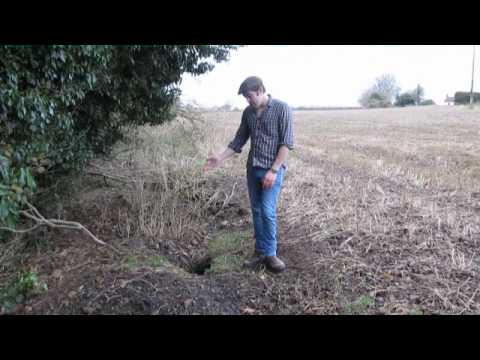
Recognizing badger activity is crucial for managing their presence effectively. You should look for specific signs that indicate badgers are nearby. This includes footprints and damage to your garden or property.
Signs of Badgers
The first step in identifying badgers is to look for signs of their presence. Badger footprints are distinct and can help you spot them. They have five toes on each foot, leading to a kidney-shaped pad. These prints are usually around 10 cm long.
You might also notice scratches on trees or nearby surfaces. Badgers often mark their territory this way. If you see droppings, these can also be an indicator. Badger droppings are typically dark, shiny, and contain bits of fur or insect remains. Monitoring these signs can help you determine if badgers are frequenting your garden.
Badger Holes and Damage
Badgers are known for creating burrows. These burrows can be extensive and often have noticeable entrances. Look for holes in the ground, usually about 30 cm wide. These areas might also show signs of digging and displaced soil.
In your garden, you may find disturbed plants or uprooted flowers. This happens because badgers search for food, such as earthworms and grubs. If you spot any of these signs, it’s a good indication that badgers are actively using your yard. Keeping an eye on these details will help you manage potential issues with badgers more effectively.
Preventing Badger Intrusion

Taking steps to prevent badgers from entering your yard can save you time and effort later. By using natural repellents and physical barriers, you can protect your garden from these animals and keep your space safe.
Natural Repellents
Using natural repellents can be an effective way to keep badgers away. Citronella oil is known for its strong scent, which can deter many animals, including badgers. You can mix it with water and spray it around the perimeter of your yard.
Another option is to use urine. Male urine is especially effective for keeping badgers at bay, as it signals a territorial presence. You can find products that mimic this scent. Human urine can also work, but it may not be as effective.
Consider creating a mix of these repellents and reapplying them frequently, especially after rain or heavy winds.
Physical Barriers and Deterrents
Installing physical barriers is a very reliable method to prevent badgers from digging into your yard. Fencing can be quite effective. Use chicken wire to create a fence that runs at least 12 to 18 inches underground. This makes it hard for badgers to dig underneath.
You might also consider using solar lights. Badgers are nocturnal and prefer dark areas. Bright lights can disrupt their comfort and keep them away.
Look for any gaps in your existing fence and patch them. Regularly inspect the area to ensure that there are no new entrances. Keeping your yard secure will help protect your plants and create a safer environment.
Professional Badger Management

When badgers invade your property, managing the situation professionally can save you time and effort. Utilizing expert services ensures safe removal and compliance with local laws.
Pest Control Services
When dealing with badgers, it’s often best to contact professional pest control services. These experts have the training and tools to handle badger removal safely. They assess the situation and determine the best approach for control.
Many pest control companies use humane trapping methods. Using live traps allows for safe relocation of the badger without harm. This prevents future problems and helps to maintain local wildlife populations.
Additionally, professionals can offer advice on preventing future invasions, such as removing attractants. They also understand local regulations, ensuring that their methods align with legal requirements.
Legal Considerations
Before taking any action, you must understand the legal framework surrounding badger control. In many areas, badgers are protected by law. This makes it illegal to harm them or destroy their homes.
Check your local regulations concerning badger management. You may need permits to remove them, depending on your location.
Consulting with wildlife experts can provide you with guidance on what is legally permissible in your area. They can help you navigate the complexities of badger control. This ensures that you keep your property safe and comply with local laws.


