
Rabbits are playful and social animals, but they can sometimes feel down or even depressed. To cheer up your rabbit, you need to create a safe environment, provide plenty of toys, and spend quality time with them. Understanding the signs of depression in rabbits can help you respond in ways that bring joy back into their lives.

Make sure your rabbit has enough space to move around. Small cages can cause stress and loneliness. Giving your rabbit freedom to explore encourages healthy behavior and happiness. Engaging with your rabbit for at least an hour each day can also boost their mood significantly.
If you notice changes in your rabbit’s behavior, try introducing new activities or treats. Changing their surroundings can spark curiosity and excitement. By paying attention to their needs and interacting regularly, you can help your furry friend feel loved and cheerful again.
Understanding Rabbit Emotions
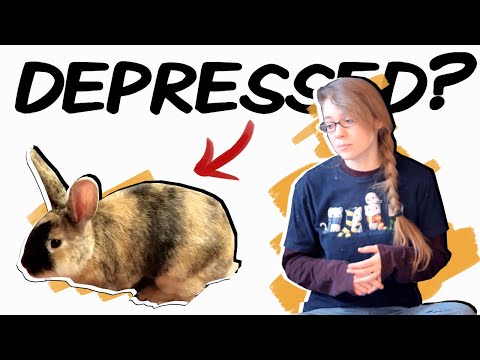
Rabbits have complex emotions, just like humans. Recognizing the signs of a depressed rabbit and understanding the causes can help you care for your furry friend more effectively.
Signs of a Depressed Rabbit
It’s important to watch for specific signs that indicate your rabbit may be depressed. These can include:
- Hunched Posture: If your rabbit often sits with its body low to the ground, it might feel unwell.
- Overgrooming: Excessive grooming can indicate stress or depression, leading to fur pulling.
- Pacing: A rabbit that paces back and forth may be anxious or unhappy.
Other signs include a lack of interest in food, social interactions, or play. If you notice these behaviors, it may be time to evaluate your rabbit’s environment and routines for changes that could reduce its emotional distress.
Causes of Depression in Rabbits
Understanding what causes depression in rabbits can help prevent it. Common causes include:
- Loneliness: Rabbits are social animals. If left alone too often, they may become lonely and depressed.
- Change in Environment: Moving to a new home or undergoing changes in the household can upset your rabbit.
- Illness or Pain: If a rabbit is not feeling well, it may show signs of depression.
Be attentive to any changes in your rabbit’s behavior and consult your vet if you suspect illness or need advice on improving your rabbit’s mood. Creating a safe and loving environment is key to keeping your rabbit happy.
Creating a Happy Habitat

A cheerful habitat is vital for your pet rabbit’s happiness. By providing a comfortable living space and opportunities for exercise, you can significantly improve their well-being.
Comfortable Living Space
Your rabbit’s living space should be cozy and safe. Start with a soft bed made from materials like hay or fleece. This gives them a comfy spot to rest.
Include hiding spots like cozy boxes or tunnels. Rabbits love to hide when they feel shy or scared. This space helps reduce stress and prevents destructive behavior.
Make sure to use paper-based litter for cleanliness. It is safe and absorbent. Regular cleaning keeps the area fresh for your rabbit. Provide toys too, like chewable wood blocks or balls, to keep their minds stimulated and happy.
Free Roaming and Exercise
Allow your rabbit time to roam freely each day. A large space is crucial for them to hop and play. Set up an area where they can exercise safely.
Include ramps, tunnels, and obstacles to explore. This encourages physical activity and keeps their minds engaged.
Supervise their playtime, especially if you’re in a new environment. This helps prevent unwanted chewing or destructive behavior.
Remember, a well-exercised rabbit is a happy rabbit. Providing that time to roam and play helps create a joyful living situation for your furry friend.
Enrichment and Activities

To keep your rabbit happy and engaged, focus on providing a variety of toys and activities that stimulate their mind and encourage social interaction. This can significantly cheer up a depressed rabbit and improve their overall behavior. Here are some fun ways to achieve this.
Toys and Games
Giving your rabbit toys is one of the best ways to enrich their life. Rabbits love to chew, dig, and explore. Consider these toy options:
- Chew Toys: Wooden blocks, hay cubes, or untreated wicker baskets are great for chewing.
- Interactive Toys: Toys with hidden treats or ones that move can encourage your rabbit to play.
- Launch Toys: Balls that bounce can keep your rabbit active and amused.
Rotate these toys regularly to keep your rabbit interested. You can also create simple games like hiding treats around their space. This encourages natural behaviors and provides mental stimulation, which is key for a happy pet.
Bonding and Social Interaction
Spending time with your rabbit is essential for their well-being. Rabbits thrive on social interaction, whether with humans or other rabbits. Here are some ideas:
- Gentle Petting: Spend quiet time petting your rabbit. This builds trust and can boost their mood.
- Playtime: Engage in playtime with toys or tunnels. This allows your rabbit to exercise and bond with you.
- Companionship: If possible, consider introducing another spayed or neutered rabbit. Having a friend can reduce loneliness and provide comfort.
Healthy Diet and Nutrition

A healthy diet is key to keeping your pet rabbit happy and cheerful. A good diet helps prevent sadness and encourages playful behavior.
Hay should be the main part of your rabbit’s meals. Aim for high-quality grass hay to make up about 80-90% of their daily intake. This supports their digestive health and keeps their teeth in shape.
Fresh vegetables are also important. You can offer 1-2 cups of a variety of leafy greens each day. Some favorites include romaine lettuce, kale, and cilantro.
Pellets should be limited to about 1/4 cup if your rabbit weighs between 6-10 lbs. Choose high-quality pellets to ensure they get the right nutrients.
Remember to provide plenty of fresh, clean water. Hydration is essential for your rabbit’s health. Always make sure they have access to water throughout the day.
Lastly, avoid giving your rabbit any sugary treats or fatty foods. These can lead to health issues that may cause them to feel sad. Instead, stick to safe snacks like small pieces of fruits or veggies.


