
Ever wondered if lions have actually eaten people? Well, yeah—they have, but it’s a rare thing. Most of the time, lions want nothing to do with humans as food. They stick to wild prey and only go after people when something’s really off.

Let’s walk through some real cases, dig into why lions sometimes target people, and look at what makes those attacks more likely. If you’re ever near lion country, it’s worth knowing how hunger, injuries, or just bad luck can change a lion’s mind—and what signs you should be watching for.
Documented Cases of Lions Eating Humans
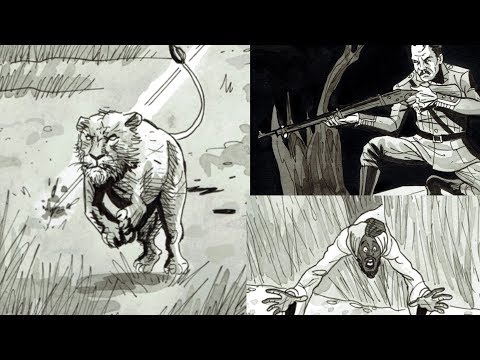
Lions have killed—and sometimes eaten—people when certain things line up. Some attacks became famous, and people have studied them for clues about what was really going on.
The Man-Eaters of Tsavo
Maybe you’ve heard the wild story of the Tsavo lions back in 1898. Two big, maneless males basically terrorized workers on the Kenya-Uganda Railway for about nine months, sneaking into camps at night and dragging people off. Early stories said these lions killed 135 people, but DNA and later research suggest the number was more like 30–40. Still, that’s a lot.
Scientists found human hairs in the lions’ teeth and used DNA to confirm they’d eaten people, along with their usual prey like giraffes and zebras. The lions had dental injuries, and a disease called rinderpest wiped out a lot of their normal food, so they went after easier targets—like humans.
Other Historical Attacks
You’ll find other stories of lone lions or small groups going after people in Africa and Asia. Usually, these were older or injured animals that just couldn’t keep up with wild prey anymore. Records from colonial Kenya and parts of India mention repeated attacks, often at night or when people were by themselves.
It’s not random. When livestock numbers drop, or when people live close to lion territory, the risk goes up. Sometimes lions scavenge along trade routes too. All these factors seem to play a part in why a few lions learn to hunt people while most completely ignore us.
Man-Eating Patterns in Lion Behavior
Man-eating is rare, and you can almost always trace it to something specific. Lions prefer big herbivores like zebras, buffalo, and wildebeest. If those animals vanish, or if a lion has a busted jaw or sore teeth, it might go for something easier—like humans.
Once a lion or a pair figures out that humans are easy to catch, the behavior can repeat. It’s not that they suddenly crave people, but they do learn fast. Injury or prey shortages usually set off these patterns.
Why and When Do Lions Eat Humans?
Lions usually hunt big wild animals like zebra. But if their regular food disappears, or if they’re hurt or sick, or if people start living right near their turf, things can change. Humans suddenly look like an easier meal.
Scarcity of Natural Prey and Prey Switching
Drought, disease, or heavy hunting can wipe out herds of zebra, wildebeest, or buffalo. When that happens, lions get desperate and start looking for anything they can catch.
They’ll go for whatever costs the least effort. A lone person sleeping outside is way easier than chasing a zebra, honestly. During rough months, research shows some lions got a lot of their food from people.
But this isn’t a permanent switch. If wild prey comes back, lions usually go right back to hunting their normal meals.
Injury, Illness, or Special Circumstances
Old, injured, or sick lions can’t handle big, tough prey anymore. If you’re nearby, you might just become the safer option.
Dental disease, broken jaws, or wounds force lions to change their habits. They’ll scavenge more and go for softer, slower targets—humans included.
When a lion’s mouth hurts, it avoids bones and just wants flesh it can tear easily. Studies of known man-eaters often trace the attacks back to bad teeth or jaw injuries.
Human-Wildlife Conflict and Changing Environments
When you expand farms, roads, or settlements into lion habitat, you bump up the odds of running into them. Livestock grazing close to protected areas tends to lure lions in.
If you leave cattle or goats outside at night, lions might wander over and sometimes attack. People working or sleeping nearby can get caught up in these situations, too.
Roads and railways bring new spots where people and lions cross paths. Construction camps, isolated workers, and those dark, lonely transport routes? They can leave folks exposed.
Climate change and shifting land use mess with prey patterns, so lions have to change where they hunt. You can actually help: build better livestock enclosures, skip those solo night walks in lion country, and put up community lights or hire guards. All that makes it less likely lions see people as prey.
Curious about how prey loss changed lion behavior? Check out the Tsavo lions and how their diet shifted during tough times: https://www.science.org/content/article/why-did-these-lions-eat-35-men-bad-teeth.


