
Most people picture a lion as pretty much unbeatable. In almost every scenario, no cat can take down a healthy adult male lion alone — unless there’s something unusual going on, like an injury or being outnumbered. Still, it’s interesting to wonder: are there any cats that could possibly win in a one-on-one fight with a lion? Let’s dig into which felines might stand a chance, and what really tips the scales.

Size, bite force, hunting style, and a little bit of luck all matter. Curious about which cats could actually challenge a lion? It’s not just about brute strength—sometimes, the details make all the difference.
Which Cats Could Beat a Lion in a One-on-One Encounter?
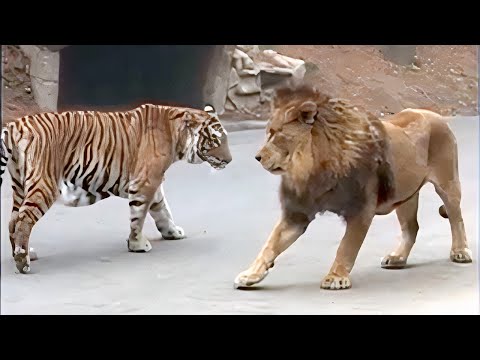
Let’s be honest: size, bite force, hunting style, and the animal’s condition usually decide these matchups. A healthy adult male African lion (Panthera leo) is a tough opponent, but a few cats have physical traits that might give them a shot—at least in the right circumstances.
Tigers: The Strongest Feline Contenders
Tigers (Panthera tigris), especially the Siberian and big Bengal males, often outweigh African lions. A massive Siberian tiger tips the scales at 400–660 lb, while most male lions sit between 330–550 lb.
That extra size lets the tiger push, grab, and throw its weight around in a fight. Tigers hunt alone and depend on ambush power. Their bodies are longer, muscles denser, and they can deliver bone-crushing swipes and strong neck holds.
Tigers usually have a stronger bite force and longer reach. So, if you put a healthy, similarly aged tiger and lion together, the tiger’s physical advantages probably win out.
Jaguars: Bite Force and Combat Skills
Jaguars don’t match lions or tigers for size, but they have the strongest bite force—pound for pound—of any big cat. A jaguar can bite right through skulls and bones, thanks to its muscular build and short, heavy skull.
In a straight fight, the jaguar’s smaller size is a problem. But if it manages a perfect bite to the skull or throat, it could end things fast. Jaguars are ambush experts and prefer quick, brutal attacks over drawn-out brawls. That makes them dangerous in short, sudden fights, even if they’re lighter than a lion.
Black-Footed Cat: Myth Versus Reality
The black-footed cat (Felis nigripes) is tiny next to a lion. There’s no way it could beat a healthy adult male lion in a fair fight.
These little cats weigh just 1–2 kg and hunt small mammals and birds with impressive energy and stealth. Sometimes people talk about small cats scaring or bothering big cats, but that usually happens when there’s a fence or the big cat is injured or sedated.
In a real fight, the black-footed cat just isn’t built to harm a lion. Its fierce reputation only applies to prey its own size.
Factors That Influence the Outcome of Feline Showdowns

Four things really change the odds in a cat fight: body size and weapons, hunting styles and teamwork, where the fight happens, and human impacts on wild cats. Any of these can turn a quick scuffle into a deadly battle.
Size, Strength, and Physical Adaptations
Body mass and build play a huge role. A male African lion, weighing 330–550 lb, uses that weight to pin and batter prey.
Jaguars and tigers have stronger bites for their size; a jaguar’s short, tough skull lets it crush bones. Claws, muscle, tooth length, and bite style all matter too.
Lions have short, powerful legs for wrestling on open grasslands. Stockier cats with dense muscle do better in close quarters.
A male lion’s mane gives some neck protection, though it’s not perfect. Swimming and climbing skills help cats like tigers and leopards in forests or places like the Gir Forest.
Hunting Styles and Social Structure
Hunting style and whether a cat is a loner or team player really matter. Tigers and leopards hunt solo, sneaking up and ending things with a sudden bite.
Lions hunt in prides, working together to stalk and flank big prey. A pride can take down huge animals or outnumber a single rival.
Social life shapes fighting tactics. A lone cat facing a pride? Not good odds, even if it’s stronger. But one-on-one duels happen, and then age, experience, and hunger all come into play.
Night hunters rely on stealth and sharp vision. If the fight happens at night, cats adapted to low light have the edge.
Habitat Overlap and Environmental Conditions
Where the fight happens changes everything. On open savanna, lions can charge and use their bulk.
Dense forests or thick brush give ambushers like jaguars and leopards a chance to strike from cover. In places like Gir Forest or tropical woods, a cat that climbs or swims can escape or launch surprise attacks.
Terrain affects what prey is around, too. Deer and wild boar force cats to learn special hunting tricks; boar especially are tough and dangerous.
Weather and the ground matter. Slippery mud or dense plants can slow down bigger cats and make it harder to use their size. Time of day and how well each cat sees in the dark can tip the scales, since most big cats hunt at dawn, dusk, or night.
Human Impact and Conservation Efforts
People keep shifting the balance in the wild, whether they realize it or not. Habitat loss and fragmentation squeeze big cats into smaller spaces. That just leads to more run-ins with humans and, honestly, more conflict.
Poachers take out adults, which leaves behind younger, less experienced cats. These younger cats sometimes pick risky fights they probably wouldn’t have otherwise. Groups set up anti-poaching patrols, protected areas, and community programs to try to stabilize populations and cut down on conflict.
Whenever you hear about the “king of the jungle” or apex predators, it’s worth remembering—humans usually decide where those animals get to live, and how many of them survive. Good conservation gives healthy prides and solitary hunters a shot at keeping their natural behaviors. That means fewer unnatural confrontations and, hopefully, a more balanced ecosystem.


