
If you’re dealing with rats, you’ve probably heard that baking soda might help. It sounds simple, safe, and cheap, right? But honestly, the truth isn’t so straightforward.
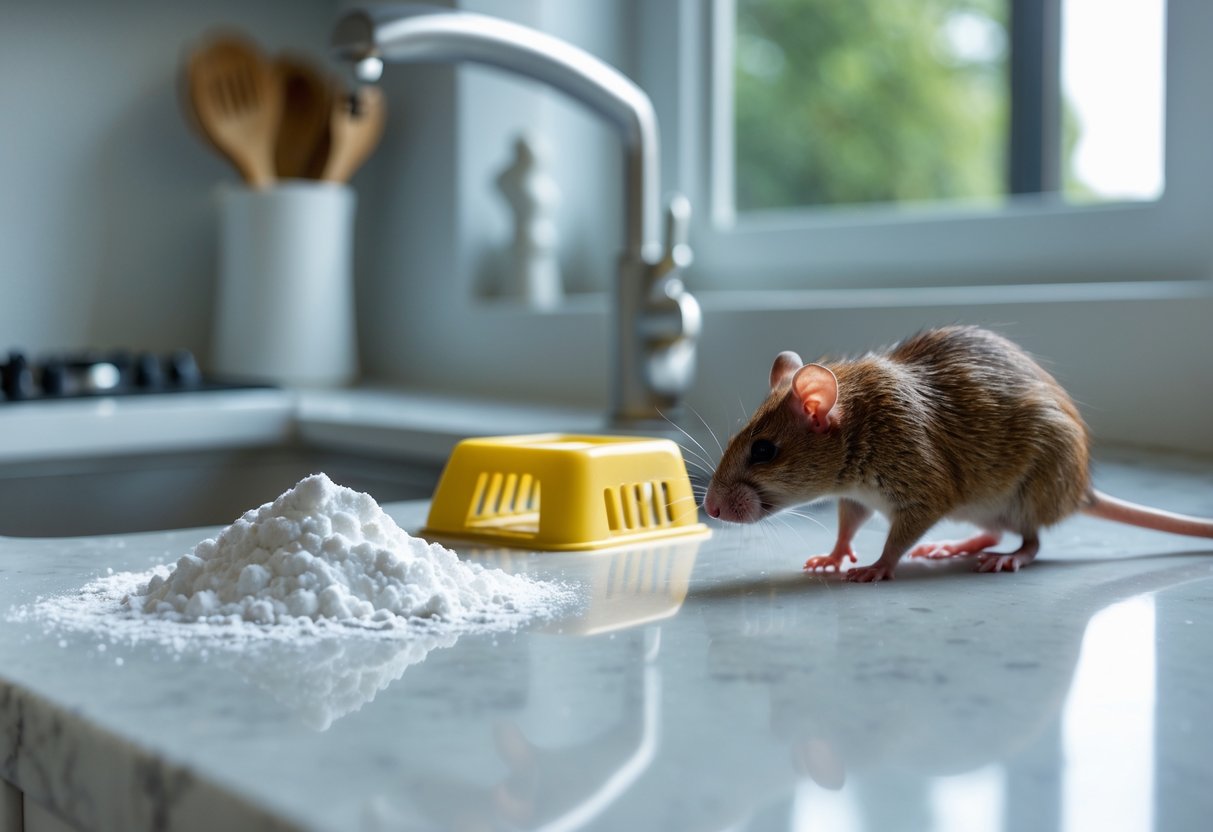
Baking soda can cause gas to build up inside rats if they eat enough, but it just doesn’t reliably kill or control them. Most rats won’t eat baking soda by itself, and even if they do, some manage to get rid of the gas without much trouble. So, baking soda really doesn’t stack up well against other options.
You’re probably wondering what actually works and how to really keep rats out for good. Let’s dig into why baking soda alone won’t fix your rat problem and what other choices might give you better results.
Does Baking Soda Really Work Against Rats?

People often talk about baking soda as a quick fix for rats. It reacts with the acid in a rat’s stomach to make gas, but whether it works depends on a lot of things. You should know what it actually does to rats and what to watch out for if you’re thinking about trying it.
How Baking Soda Affects Rodents
When a rat eats baking soda, it meets stomach acid and creates carbon dioxide gas. Since rats can’t burp, the gas builds up inside them.
This pressure can make rats uncomfortable and might even harm or kill them. But sometimes, rats manage to release the gas in other ways, which makes baking soda less effective.
For baking soda to have a real impact, rats need to eat a lot of it. If they only eat a little, nothing much happens.
Homemade Rat Poison Recipes With Baking Soda
If you want to try baking soda, you can mix it with foods rats actually like. One common recipe uses:
- Equal parts baking soda
- Peanut butter
- Potato flakes
Mix those together and put the bait where you see rats. The peanut butter and potato flakes draw them in, making them more likely to eat the baking soda.
Rats are pretty suspicious, though. If something smells or tastes weird, they might skip it. Placing the mix where rats hang out gives you a better shot, but there’s no guarantee it’ll work.
Effectiveness and Limitations of Baking Soda
Baking soda just doesn’t cut it for serious rat problems. Rats need to eat a lot for it to work, and with other food around, good luck getting them to do that.
Rats figure things out fast and often avoid the baking soda mix. Some rats can even release the gas naturally, making the whole thing kind of pointless.
Honestly, baking soda works best as a tiny part of a bigger plan. You’ll probably need traps, sealing up entry points, or even calling in the pros to really get rid of rats.
Safety Precautions When Using Baking Soda
Baking soda is safer than most chemical poisons since it won’t hurt people or pets. But if you mix it with food, you might attract animals you didn’t mean to.
Keep your baking soda baits in spots only rats can reach—not kids or pets. Replace bait often and clean up spills so you don’t end up with a mess.
Don’t eat the bait (obviously), and wash your hands after setting it out. If you’re not sure about homemade remedies, pest control pros have safer, proven options.
If you want more details about homemade rat poison and why baking soda isn’t great, check out this detailed guide.
Natural and Professional Alternatives for Rat Removal

You’ve got plenty of ways to deal with rats without depending on baking soda. Some people use strong scents rats hate, while others set up DIY traps for quick results.
If things get out of hand, professionals can step in with safer, more effective tools. Wildlife control can help too, especially if you want to handle rats humanely.
Peppermint Oil and Strong Scented Repellents
Peppermint oil is a classic natural repellent because rats really don’t like the smell. Just soak cotton balls in the oil and put them near places where rats sneak in or hang out.
The scent can keep rats away for a bit, but it won’t kill them. Other strong smells like ammonia or vinegar work the same way by making your space unpleasant for rodents.
These options are safe for people, but you’ll need to refresh them often since the smell fades. Honestly, scents alone won’t fix a rat problem, but they can help as part of a bigger strategy.
Using Rat Traps and Other DIY Methods
Rat traps work fast and can cut down the rat population quickly. Snap traps do the job indoors and, when set up right, kill rats humanely.
Bait traps with peanut butter or nuts—they love that stuff. Put traps where you see droppings or chewed-up things.
You can also try electronic traps for an instant kill, or humane traps if you’d rather catch and release. Glue traps? Not a great idea—they’re cruel and usually don’t work well.
Tips for using traps:
- Set out several traps at once
- Use fresh bait every time
- Check traps every day
Staying on top of it helps you catch more rats before the problem gets worse.
When to Contact Pest Control Companies
If rats keep coming back or you’ve got a big infestation, it’s time to call pest control. Pros can figure out what kind of rats you have, find their nests, and use stronger, approved baits or traps.
They’ll also give you safety tips to protect your family and pets while they work. Pest control folks can handle nasty stuff like dead rats in walls, which nobody wants to deal with.
Most companies offer ongoing checks and maintenance to make sure rats don’t come back. That’s especially useful if you live near places where rats are always around.
Importance of Wildlife Control and Humane Methods
Wildlife control means getting rid of rats and other animals without causing them needless pain. People often use live traps or quick-kill tools that stick to animal welfare guidelines.
When trained professionals handle these jobs, they help keep pets and local animals safe. They also make sure rats don’t end up dying somewhere hidden, which would create nasty smells.
If you want to stay ethical with rat removal, you should ask pest control companies about the specific wildlife control methods they use. It’s a way to manage rats while still showing respect for animals—and your own living space.


