
You’ve probably heard people say rats are dirty, but honestly, that reputation isn’t totally deserved. Rats actually keep themselves pretty clean and spend a surprising amount of time grooming their fur and tidying up. They care about hygiene in their own way—even if their homes don’t always look spotless.
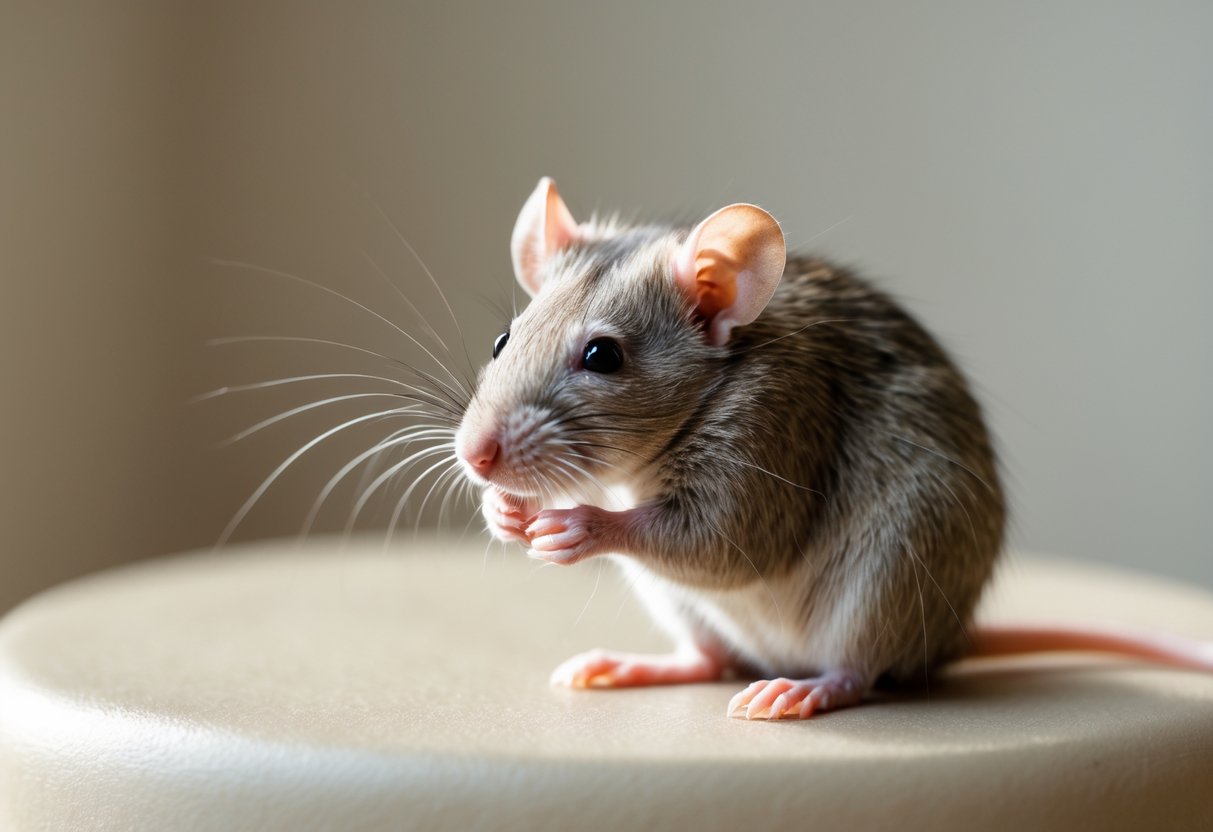
Ever wondered if rats make clean pets or if they’re just pests? Let’s dig into the facts. You’ll see how rats really act, why they’re not as filthy as people think, and what you can do to keep both the animals and their spaces healthy. Learning more about rats might just change your mind about these clever little creatures.
Are Rats Clean Animals?

Rats groom themselves a lot and can actually be quite tidy. The whole idea of “clean” depends a bit on whether you’re talking about pet rats or wild ones.
Their behavior and cleanliness really come down to where they live and what kind of care they get.
Natural Grooming Behaviors
Rats naturally love to groom. They lick their fur to clean off dirt and debris.
Honestly, pet rats sometimes out-groom cats. Grooming keeps them healthy and comfortable, and it’s just what they do.
They use their front paws to wipe their faces and clean their ears. When rats live together, they’ll groom each other too.
If you watch your pet rat, you’ll probably catch it cleaning itself or a buddy pretty often. It’s a sign they actually care about staying clean.
Misconceptions About Rats and Cleanliness
A lot of people think rats are just dirty. That idea mostly comes from seeing wild rats hanging around trash or messy spots.
But rats aren’t naturally filthy. The mess comes from the places they have to survive in.
If you keep a pet rat’s cage clean, you won’t notice a bad smell. Regular cage cleaning and fresh bedding really make a difference.
Even though rats groom themselves, they still need you to help keep their space fresh.
Differences Between Pet Rats and Wild Rats
Pet rats usually live in much cleaner, more controlled spaces. You give them clean bedding, good food, and fresh water.
That means they stay healthier and look cleaner. Wild rats, on the other hand, have to make do with whatever’s around—often garbage or dirt.
Because of that, wild rats look and smell worse. They also face more health risks, since their surroundings can carry diseases.
Pet rats rarely deal with these issues if you care for them well. Knowing this, it’s easy to see why pet rats are a lot cleaner than wild ones.
Want more details on how pet rats keep clean? Check out this info on caring for pet rats.
Health, Safety, and Human Interaction

Rats can carry germs that cause health problems, even if they seem clean. The way you interact with them and how you handle their living area matters a lot for staying safe.
Knowing which diseases to look out for, and sticking to good hygiene, really helps protect you and your family.
Common Diseases Linked to Rats
Rats—especially wild ones—spread diseases like leptospirosis and salmonella. You’ll often find these germs in their urine, poop, or saliva.
Leptospirosis brings fever and muscle aches, while salmonella can upset your stomach or worse.
Pet rats don’t usually carry these diseases if you care for them properly, but there’s always some risk. You can get sick by touching contaminated stuff or even breathing in dust from rat droppings.
Bites from rats can also spread germs and cause infections.
How Clean Habits Impact Health Risks
Keeping things clean cuts down the chance of germs spreading from rats to people. Don’t touch your face after handling rats or cleaning their cages.
Always wash your hands right after contact. It’s just a good habit.
Try to avoid the kitchen or any food prep areas when you’re dealing with rats or their supplies. That keeps germs out of your meals.
When you clean, be gentle—stirring up dust or waste can send particles into the air, and you really don’t want to breathe that in.
Caring For Pet Rats: Hygiene Tips
If you want your pet rat to stay healthy—and honestly, who doesn’t?—make sure you clean its cage regularly. Grab some disinfectant and get in there, but don’t forget to wear gloves when you’re dealing with rat droppings or urine.
It’s best to avoid sweeping or vacuuming the cage since that just kicks up dust. That’s never fun for anyone, rat or human.
Sometimes your rat will need a bath, but don’t overdo it. Too many baths can mess with their skin.
Try not to let your rats get too close to your face. No kisses or nuzzling, tempting as it may be. It’s just not worth the risk of a bite.
Want more info? Check out Domestic Rat Care and Human Safety.


