
Raccoons are often seen rummaging through trash or wandering around neighborhoods, but you might wonder about their health, especially regarding rabies. Although not all raccoons have rabies, the disease is more common in certain areas. Understanding the risks can help you stay safe and informed.
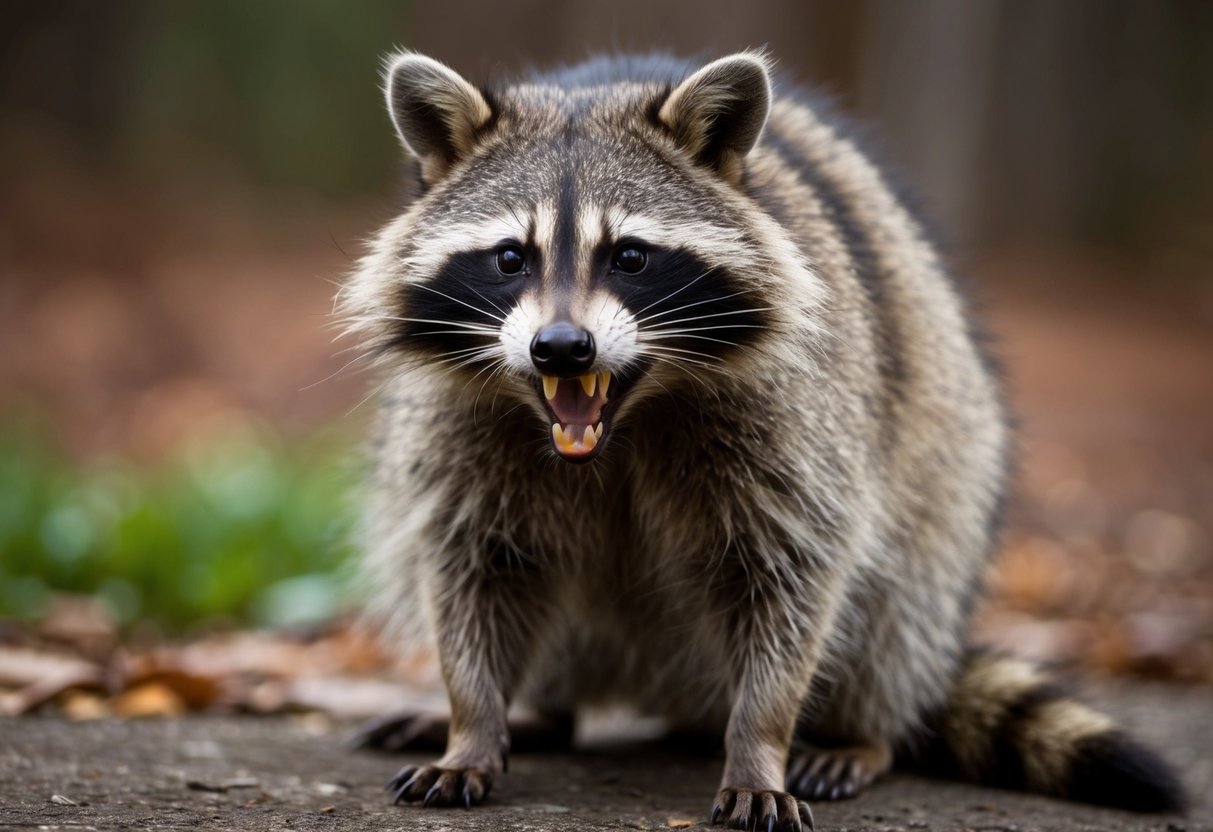
If you encounter a raccoon, it’s important to be cautious. While most raccoons are healthy, the Centers for Disease Control and Prevention reports that rabies can affect these animals, especially in specific regions. By knowing the signs of rabies and how to react, you can protect yourself and your pets.
In this article, you will learn how to identify if a raccoon might have rabies and what steps to take if you feel threatened. Being aware of the facts can make a big difference in your safety.
Understanding Rabies in Raccoons
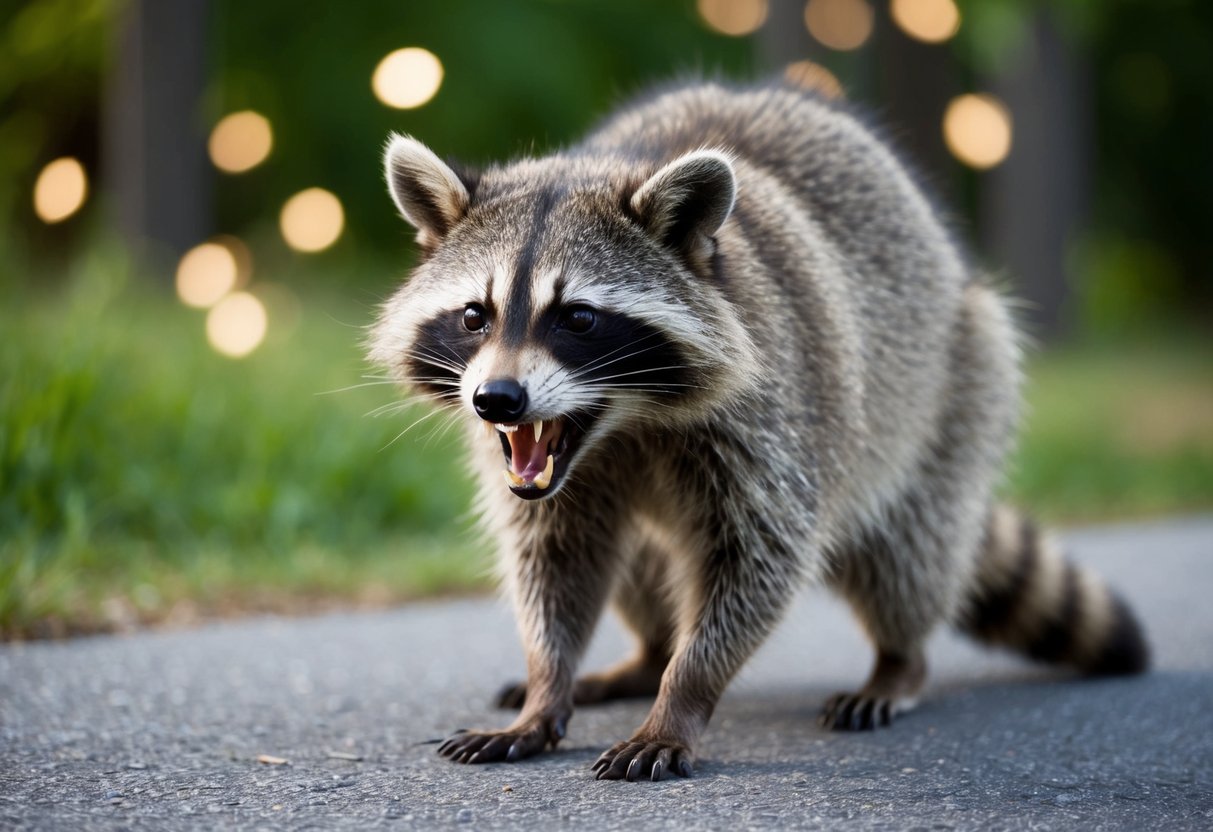
Rabies is a serious viral infection that can affect various mammals, including raccoons. It’s important to know how this disease spreads and what it means for both raccoons and humans.
What Is Rabies?
Rabies is a viral infection caused by the rabies virus, a part of the Lyssavirus genus. This disease is classified as a zoonotic disease because it can be transmitted from animals to humans. Once a person or animal contracts rabies, the virus affects the nervous system.
Symptoms can take weeks or months to appear after infection. Early signs include fever and headache. As rabies progresses, you might notice confusion, agitation, and difficulty swallowing. It can lead to paralysis or even death if untreated.
How Do Raccoons Contract Rabies?
Raccoons can contract rabies primarily through bites or scratches from an infected animal. The rabies virus is found in the saliva of the infected animal. When the saliva enters the wound, the virus can start to infect the raccoon.
Raccoons are often carriers of rabies and are considered one of the main reservoirs of the virus in North America. This means they can spread rabies to other animals and even humans. In areas with high raccoon populations, the risk of rabies transmission increases.
Being aware of raccoons’ behaviors can help you spot potential rabies symptoms. If a raccoon appears overly aggressive or disoriented, it might be rabid.
Identifying Rabies in Raccoons

When determining if a raccoon has rabies, it’s crucial to recognize specific symptoms and behaviors. Understanding these signs can help you keep a safe distance from potentially infected animals.
Common Symptoms of Rabies
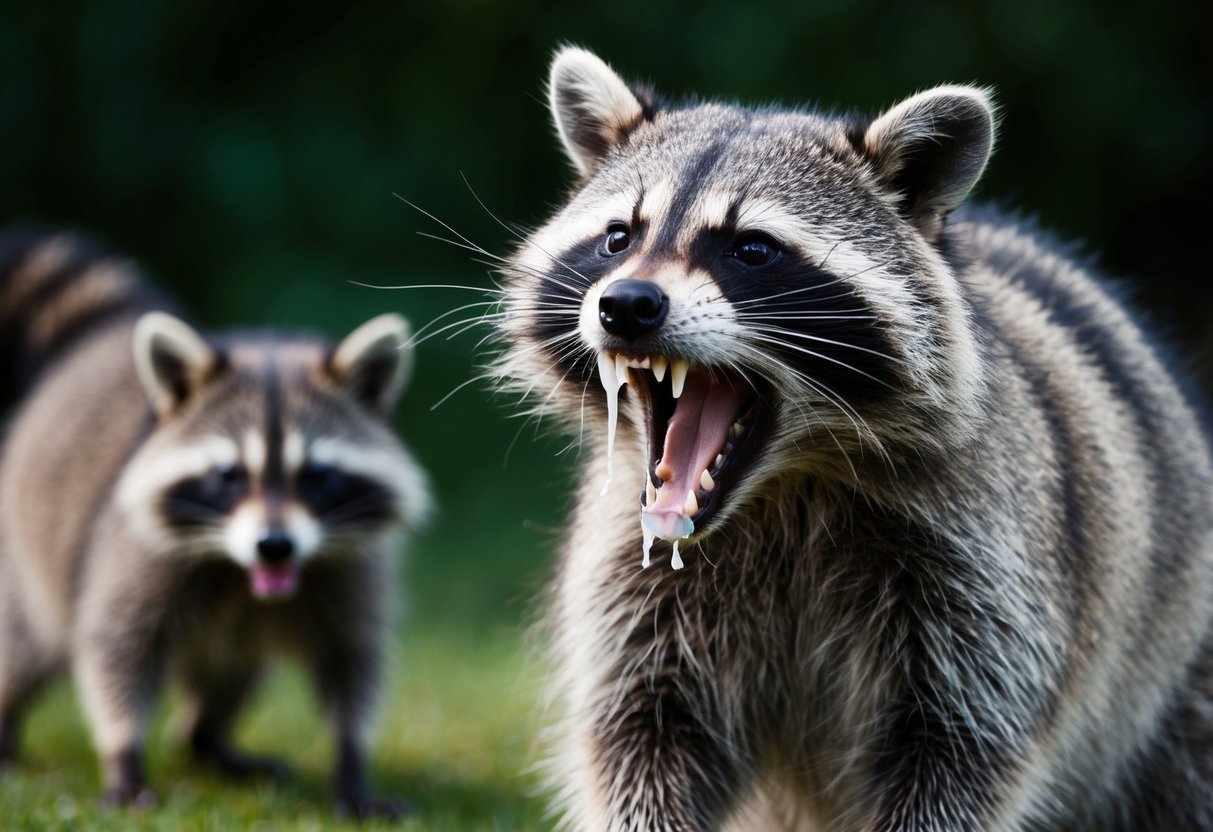
Look for physical signs that indicate rabies in raccoons. One common symptom is foaming at the mouth. This occurs when the virus affects the animal’s ability to swallow.
Another sign is drooling, which happens due to control loss over their mouth muscles. A raccoon may also appear disoriented, stumbling or having trouble moving in a straight line.
It’s important to take these symptoms seriously. If you notice any combination of these signs, stay back. These symptoms indicate that this raccoon may be rabid and dangerous.
Behavioral Signs to Watch For
Behavior can also give you clues about a raccoon’s health. A rabid raccoon often displays aggressive behavior that is unusual for the species. You might see it acting more confrontational or unafraid of humans.
Another sign is unusual daytime activity. Raccoons are typically nocturnal, so if you see one out and about during the day, it could be a warning.
Changes in vocalization, such as making strange sounds, may also signal a problem. If you observe these behaviors, it is best to contact animal control for assistance.
Prevention and Response
Taking steps to prevent rabies and knowing how to respond to raccoon encounters is vital. Awareness of vaccination, when to contact animal control, and safe handling techniques can keep you and your community safe.
Vaccination and Public Health
Vaccination plays a crucial role in public health. Raccoons can carry rabies, so rabies vaccination programs help reduce the risk. Oral rabies vaccines for wildlife have shown success in minimizing outbreaks.
If you have pets, ensure they are up to date on their rabies shots. This protects them from potential exposure. Regularly check with your veterinarian to stay informed about vaccination schedules.
Public awareness campaigns also help educate communities about rabies prevention. Knowing the risks can assist in avoiding contact with wild animals, especially raccoons. Report any unusual behavior in raccoons, as it may indicate rabies infection.
When to Contact Animal Control
If you spot a raccoon displaying unusual behavior, like daytime activity or aggression, it may be rabid. In such cases, it’s essential to contact animal control immediately.
If a raccoon bites or scratches someone, seek medical attention right away. Rabies can be fatal if not treated promptly. Health professionals may recommend rabies shots or post-exposure prophylaxis.
Also, avoid feeding raccoons. This can attract them to your property and increase the chances of an encounter. Keeping trash secured and not leaving pet food outdoors can help prevent raccoons from visiting your yard.
Handling Raccoon Encounters
If you encounter a raccoon, stay calm and keep your distance. Never attempt to touch or corner the animal. Raccoons may feel threatened and could act defensively.
If a raccoon approaches you or your pet, try to make noise to scare it away. Gently clap your hands or use a loud voice. If the raccoon persists, back away slowly without turning your back.
Always inform children about the importance of not approaching wild animals. Teaching them about safe distances can help keep everyone safe. If you see a raccoon acting strangely, report it to animal control to ensure they can investigate and manage the situation effectively.


