
It can be a bit unsettling when a raccoon suddenly stares at you. Typically, a raccoon is simply assessing its surroundings and trying to determine if you pose a threat. These creatures are naturally curious and cautious, often freezing in place to observe your behavior.

Raccoons are nocturnal animals, meaning they come out mostly at night. If you spot one during the day, it might be looking for food or may not feel safe in its usual nighttime habits.
Understanding raccoon behavior can help you feel more at ease when encountering these intriguing animals.
The next time a raccoon locks eyes with you, remember that it’s often more frightened of you than you are of it. By learning more about what these critters do and why, you’ll gain a better appreciation for their role in the environment and how to coexist peacefully.
Understanding Raccoon Behavior
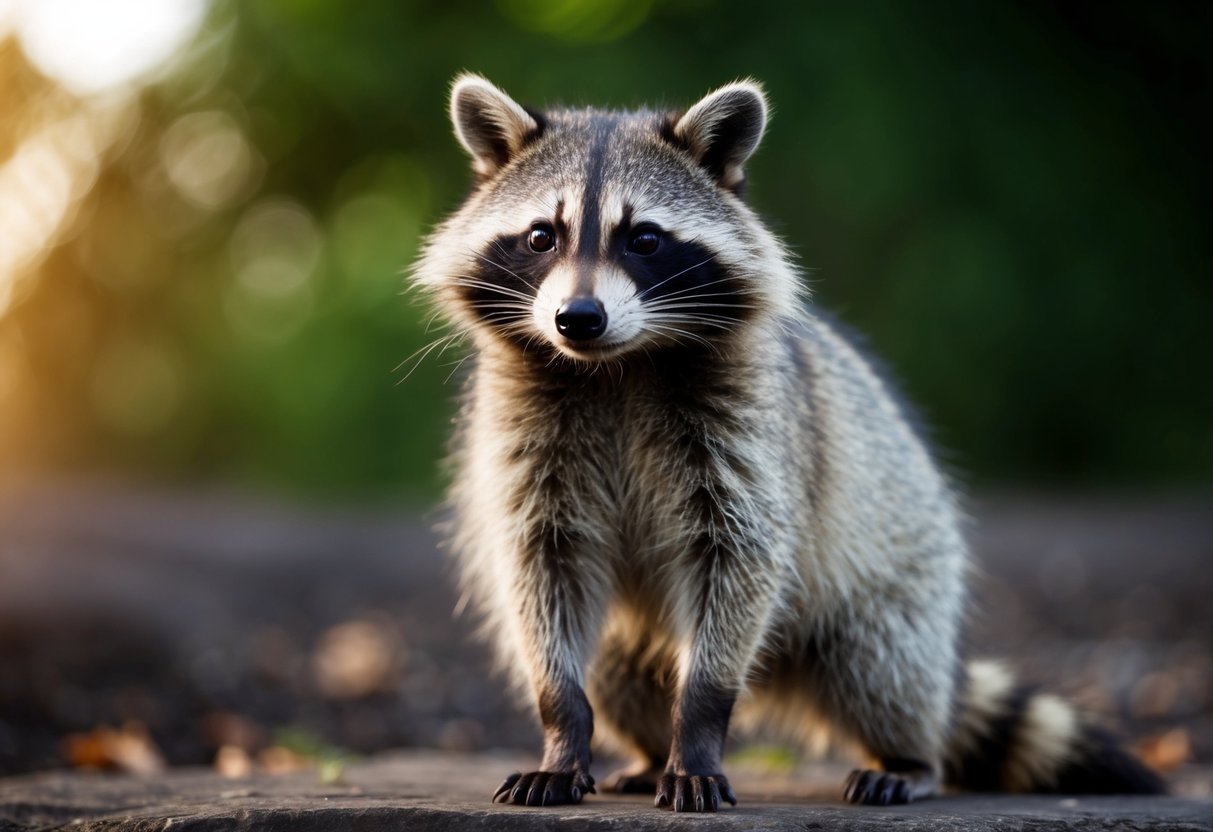
Raccoons are curious creatures, and understanding their behavior can help you feel more at ease when they stare at you. Their actions can provide clues about their feelings and intentions.
Typical Habits of Raccoons
Raccoons are mostly nocturnal animals, meaning they are active at night. They spend their evenings foraging for food. They are known to rummage through trash or explore backyards looking for a meal.
These animals are quite clever. They can use their paws to open containers and unlock doors. This intelligence allows them to adapt to different environments, including urban settings.
Raccoons are naturally cautious. When they encounter humans, they may freeze and stare as a way to assess the situation. You’re often observing a raccoon that is both curious and wary.
In terms of social behavior, raccoons are generally solitary but can gather in groups when foraging or during mating season. They communicate through various sounds, such as chirps and grunts. If they feel safe, you might see a bolder raccoon approach foraging sites.
Signs of Aggression in Raccoons
Although raccoons are usually shy, certain signs indicate they might feel threatened or aggressive. If a raccoon feels cornered, it may growl or hiss at you.
It’s essential to be watchful of their body language. An aggressive raccoon may raise its fur, bare its teeth, or swat at the air. These behaviors signal that it’s best to keep your distance.
In urban areas, some raccoons become more accustomed to people and may act bolder. Even so, it’s crucial to respect their space. Remember that they are still wild animals, and aggressive behavior can happen if they feel scared or provoked.
If you notice a raccoon acting defensively, it’s wise to take a step back. Keep your pets indoors and avoid making sudden movements. This way, both you and the raccoon can stay safe.
What to Do During a Raccoon Encounter
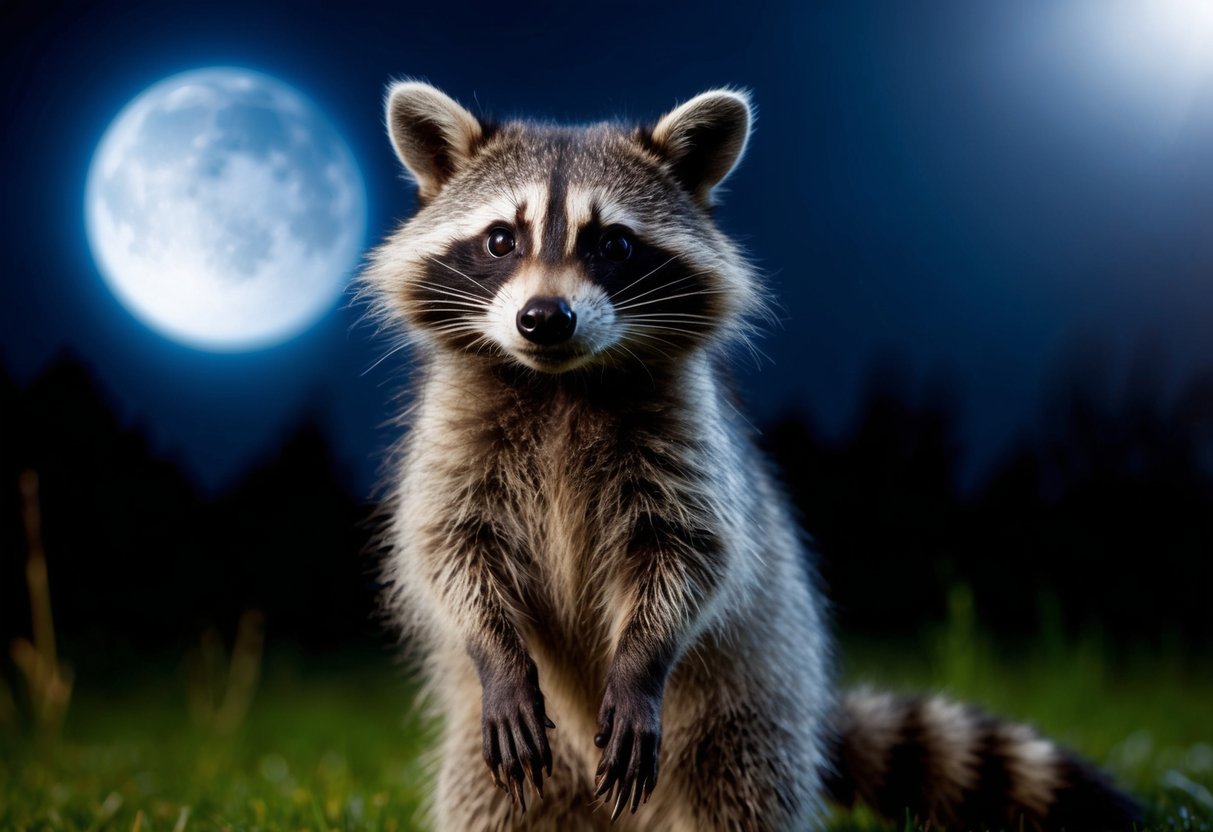
Encountering a raccoon can be surprising. It’s important to know how to react safely to avoid any issues. These tips will help you stay calm and handle the situation correctly.
Safe Responses to a Raccoon Approach
If a raccoon approaches you, the first thing to remember is to stay calm. Quick movements can scare the animal. Instead, back away slowly from the raccoon without turning your back. This helps you avoid a surprise attack.
Make yourself appear larger by raising your arms. This may discourage the raccoon from coming closer. Loud noises can also be effective. Clapping your hands or shouting may scare it off.
Keep your pets at a safe distance and on a leash. Raccoons can view pets as threats, which may lead to aggression. If the raccoon seems curious but non-threatening, remain still until it leaves the area.
When to Seek Professional Help
Most raccoon encounters are harmless, but some situations call for professional help. If a raccoon seems aggressive or approaches with its back arched, this could indicate a potential attack.
If you notice signs of rabies, like abnormal behavior or disorientation, contact animal control immediately. Raccoon bites can be serious and may require medical attention.
If the raccoon is in an area where it could harm people or pets, it’s best to call a wildlife service for safe removal. This ensures the raccoon is treated humanely and you remain safe. Always take caution and don’t approach a raccoon that looks unwell or aggressive.
Preventative Measures Against Raccoons
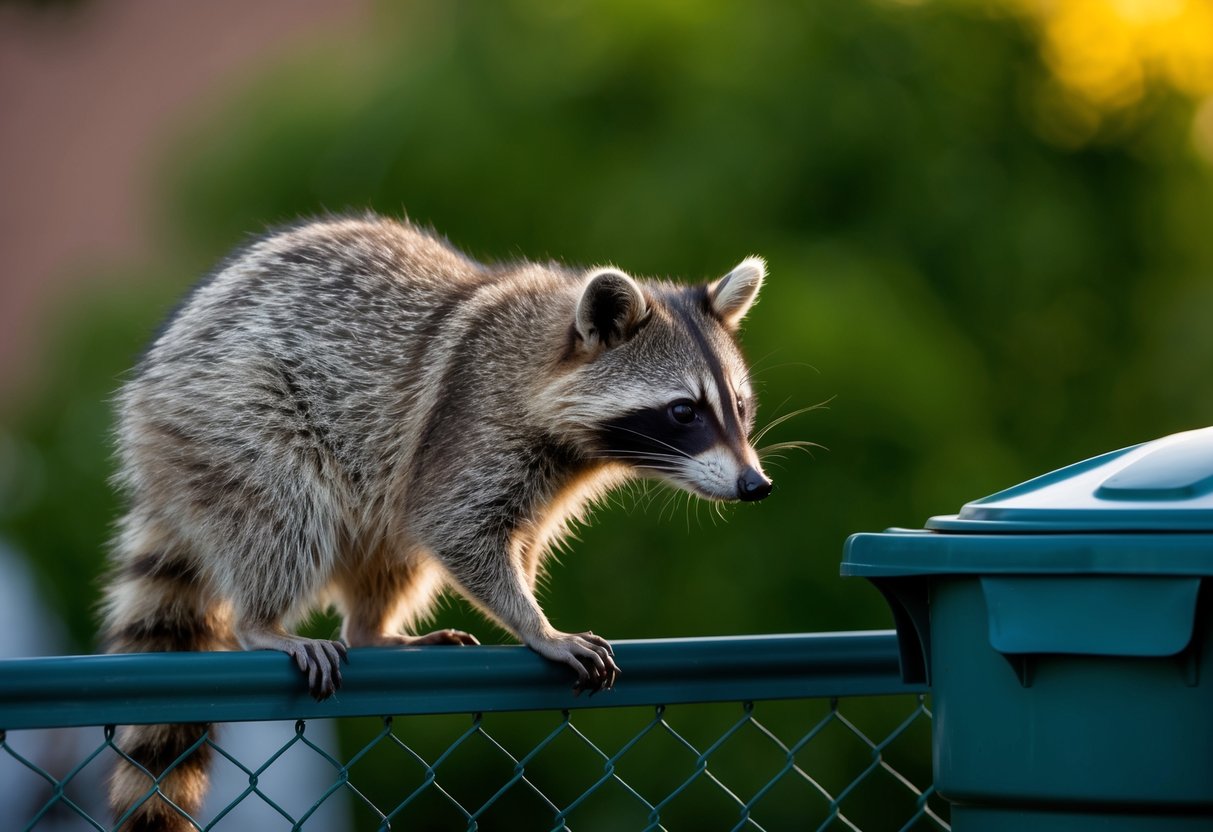
To keep raccoons out of your yard, it’s important to manage food sources and create a less inviting environment. Taking specific steps can significantly reduce the chances of raccoons wandering onto your property.
Keeping Raccoons at Bay
Start by securing garbage cans with tight lids. Raccoons are attracted to easy food sources, so keeping trash sealed is essential.
-
Store Pet Food Indoors: Never leave pet food outside. This can draw raccoons into your yard.
-
Eliminate Standing Water: Remove any sources of standing water. This reduces places where raccoons can drink and encourage visits.
-
Use Motion-Activated Lights: Raccoons are nocturnal and dislike bright lights. Installing motion-activated lights can deter them from entering your space.
Consider using predator urine, such as coyote or fox, around the perimeter of your yard. This can make raccoons perceive danger, helping to keep them away.
Responsible Wildlife Feeding Practices
If you want to feed wildlife, be mindful of your practices. Feeding raccoons can attract them to your property, leading to potential problems.
-
Feeding Limitations: Only feed animals at specific times. This limits how often raccoons will come around.
-
Choose the Right Foods: Use foods that raccoons dislike, such as spicy items. This will discourage them from hanging around your yard.
-
Avoid Leaving Food Unattended: Always clean up after feeding. Leftover scraps can attract raccoons quickly.
Taking these simple actions can help ensure your yard remains a no-go zone for raccoons. By being proactive, you create a space that is uncomfortable for them to explore.


