
Raccoons are often seen as cute and curious animals, but questions about their friendliness arise frequently. When you encounter them in your yard or nearby, it’s natural to wonder if they can be friendly companions. While some raccoons can develop a bond with humans, especially if they are domesticated, wild raccoons can be unpredictable and may pose risks.
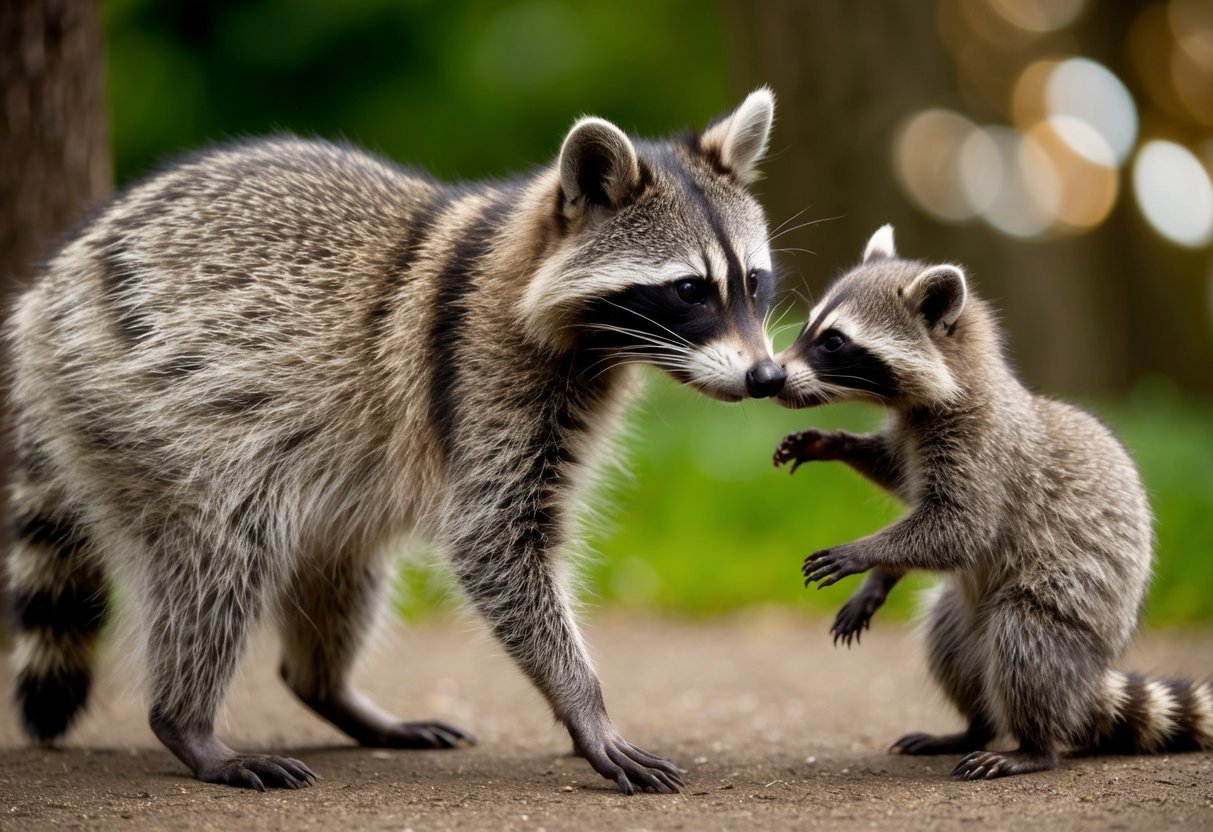
It’s important to know that raccoons are both skittish and curious. They may approach you out of curiosity, but their behavior can change quickly if they feel threatened.
Recognizing the difference between a friendly raccoon and one that is just passing through can help you understand how to interact safely.
In this blog post, you will discover more about the behavior of raccoons, their potential for friendliness, and the best ways to respect their wild nature while keeping your distance. Whether you’re an animal lover or just curious about these fascinating creatures, there’s plenty to explore about the friendship potential of raccoons!
Understanding Raccoon Behavior
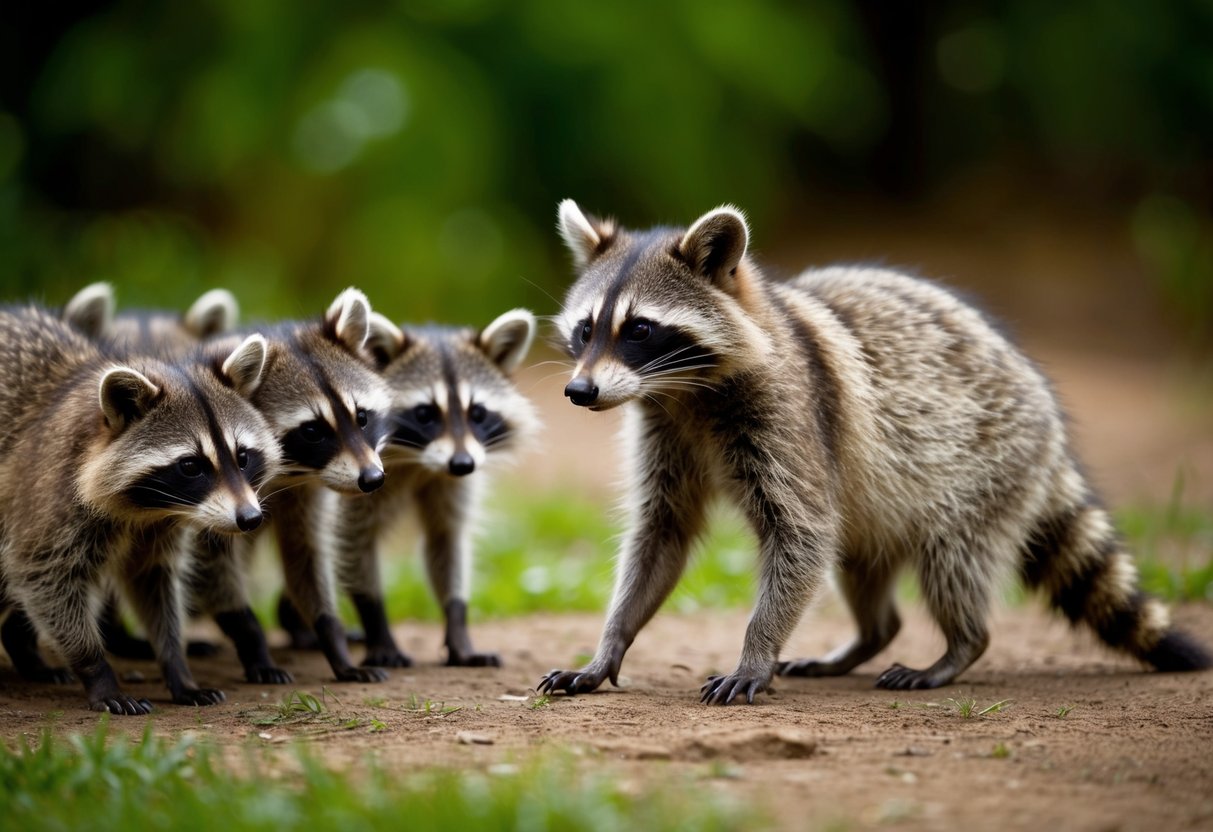
Raccoons are fascinating creatures with complex behaviors. By learning about their natural instincts, the signs they exhibit, and how to interpret their actions, you can better understand these wild animals and their social dynamics.
Natural Instincts of Raccoons
Raccoons are wild animals with strong instincts that guide their behavior. They are naturally curious and intelligent, often exploring their surroundings. This curiosity can sometimes lead them into urban areas, where they search for food.
In the wild, raccoons use their keen sense of touch to manipulate objects. Their front paws are highly dexterous, allowing them to open containers or even unlock doors. They are also nocturnal, meaning they are most active at night, making them more likely to be seen during those hours.
Understanding these instincts helps you appreciate why raccoons act the way they do in front of you. While they may seem playful, they are following their natural drives to forage and explore.
Signs of Affection in Raccoons
Raccoons do show signs of affection, especially towards their own kind. They engage in playful behaviors, such as chasing and wrestling, which strengthen their social bonds. When raccoons groom each other, it is a sign of trust and affection.
You may notice a raccoon approaching you with curiosity. If it maintains a relaxed posture and shows no signs of aggression, it could be a positive interaction. Raccoons have a range of vocalizations, and soft sounds may indicate comfort in your presence.
While it’s important to recognize these signs, remember that wild animals can be unpredictable. Respect their space and avoid feeding them, as this can disrupt their natural behaviors.
Risks of Misinterpreting Behaviors
Misinterpreting raccoon behaviors can lead to risks, both for you and the animal. When raccoons approach you, it may seem friendly, but their actions can also signal curiosity or hunger. Approaching them can lead to bites if they feel threatened.
Raccoons may display aggression when they are scared or cornered. Their sharp teeth are a defense mechanism. Signs like hissing, growling, or a stiff body posture are warning signals.
Always observe a raccoon’s body language carefully. Give them space and avoid interaction to ensure both your safety and theirs. Understanding these risks helps you appreciate these wild creatures while keeping a respectful distance.
Interaction With Raccoons

When interacting with raccoons, it’s important to know how to engage with them safely and understand the potential risks involved. Raccoons can be friendly under certain circumstances, but caution is crucial for both you and the animal.
Appropriate Human-Raccoon Interactions
To have positive interactions with raccoons, start by building trust slowly. If you encounter a raccoon, do not rush towards them. Make sure they have space to feel safe.
It is best to observe from a distance. If you want to invite them closer, place food in a safe area where they can find it without feeling threatened.
Treat them with kindness, but never try to touch or grab them. Recognize that raccoons raised by humans may be more comfortable around you, but wild raccoons generally prefer to keep their distance.
Take time to learn their behavior. For instance, raccoons are very curious and may approach you if they feel secure. Respect their boundaries and let them leave if they wish.
Potential Hazards
Raccoons can pose risks if not approached carefully. While they look cute, they can bite when frightened. Raccoon bites can lead to serious infections and diseases, including rabies. They are also known as rabies vector species. This means they can carry and transmit rabies to humans and pets.
Moreover, raccoons can be hosts to parasites like roundworm and diseases such as leptospirosis. To stay safe, avoid direct contact and don’t feed raccoons. Feeding them can encourage them to lose their natural fear of humans, which may increase the chance of encounters.
Always wash your hands after being outside and especially after any interaction with wildlife. This will help reduce the chances of getting sick.
Raccoons in Domestic Settings
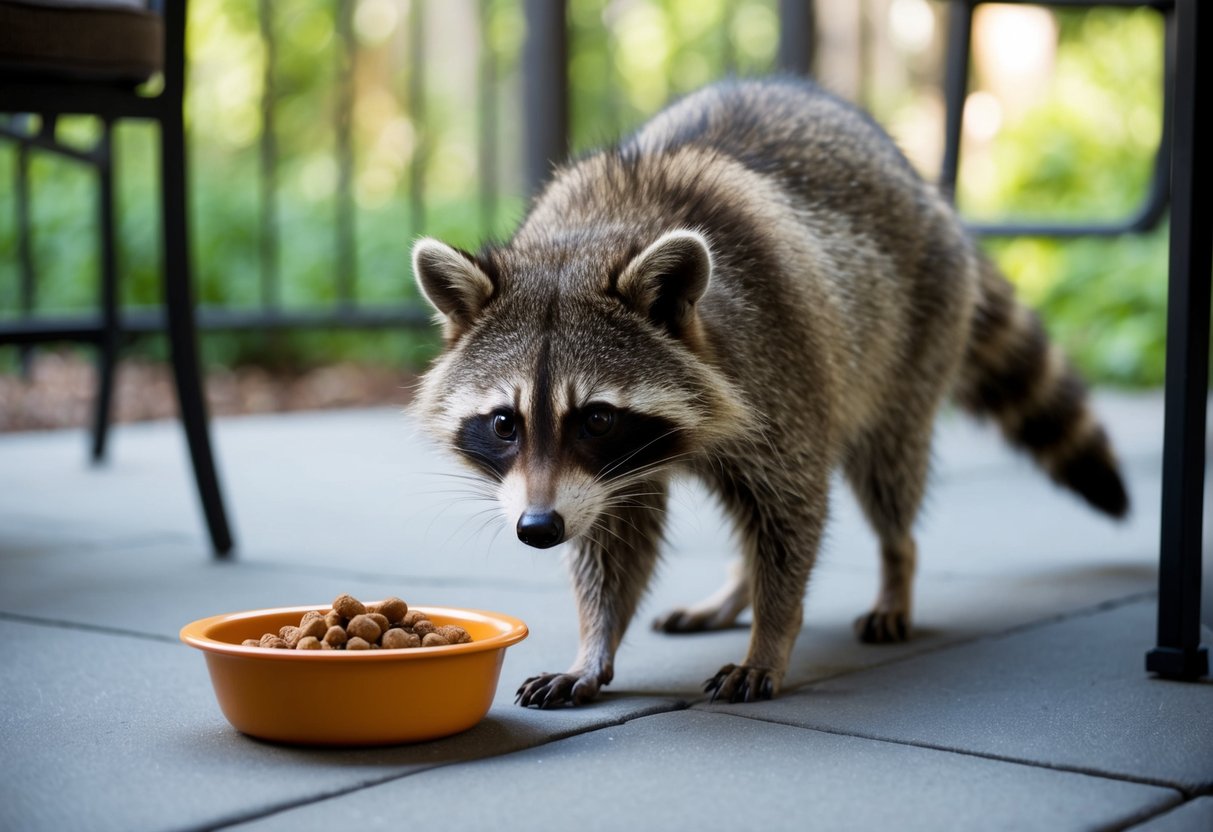
Raccoons are fascinating creatures that can show a range of behaviors in domestic environments. Understanding the difference between tame and domesticated raccoons, along with their suitability as pets and the legal and ethical considerations, is essential for anyone considering them in a home setting.
Tame vs. Domesticated Raccoons
Tame raccoons are wild animals that have been raised or trained to be around humans. They may bond with people, showing affection. However, they still retain their wild instincts and behaviors.
Domesticated raccoons, on the other hand, are selectively bred for traits that fit into domestic life. They typically show less aggression and more sociable behavior than their wild counterparts.
Remember, while a tame raccoon might enjoy your company, it may still react unpredictably, especially if it feels threatened.
Feasibility of Raccoons as Pets
Keeping a raccoon as a pet can be challenging. Raccoons are highly intelligent and require significant mental and physical stimulation.
They need ample space to roam and play, along with proper socialization. Adult raccoons can be particularly demanding, as they can become more aggressive or destructive without adequate care.
It’s essential to consider if you can provide the attention and environment that a pet raccoon would need to thrive. They are not like dogs or cats and often require specialized knowledge to manage their needs and behaviors effectively.
Legality and Ethical Considerations
Before you think about having a raccoon as a pet, check your local laws. Many places have strict regulations regarding raccoons as pets.
Ethically, owning a raccoon raises questions about their well-being. They are wild animals at heart and might not adapt well to living in a domestic setting.
It’s crucial to think about the impact on not just the raccoon’s life but also the ecosystem. Raccoons play a role in their natural habitats, and removing them can alter these environments.
Always weigh these considerations carefully before making a decision.


