
Ever wondered if frogs eat fleas? You’re definitely not the only one. Frogs are carnivores, and they’ll go after all sorts of tiny insects—fleas included. Frogs eat fleas, especially the smaller ones, along with other bugs like flies and mosquitoes.

Since frogs rely on insects for food, they naturally help control pests. But honestly, how much they impact flea populations depends a lot on where you live and how many frogs are hanging around. It’s kind of fascinating to see how these amphibians fit into the ecosystem and deal with pests.
Do Frogs Eat Fleas?
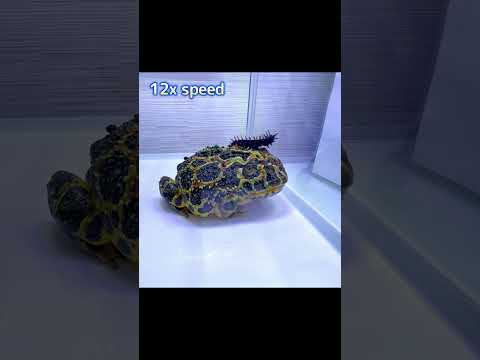
Frogs eat all sorts of insects, even tiny ones like fleas. They help control flea numbers by eating different types and life stages of fleas.
Compared to other predators, frogs have their own unique hunting style and food preferences.
Frogs as Natural Flea Predators
Frogs mostly eat meat—especially insects. They use their sticky tongues to snap up small, fast bugs like fleas.
You’ll usually find frogs near water or in damp spots, where fleas and other insects hang out.
Their quick reflexes let them catch fleas that jump or crawl. Frogs don’t only eat fleas, but they’ll go for them if they’re around.
By eating fleas, frogs can help cut down flea numbers, mostly outside your house.
Types of Fleas Frogs Eat
Frogs eat several flea types, mostly the smaller ones that stick close to water or damp places. They’ll go after flea larvae and adult fleas that are easy to catch.
Flea larvae move slowly or stay near the soil, so frogs can grab them more easily.
Adult fleas jump well, which makes them trickier to catch. Still, frogs’ fast tongues and sharp reflexes give them a real edge.
You might spot frogs eating fleas that live on animals or in grassy spots nearby.
Frogs vs. Other Flea Predators
Frogs aren’t the only animals that eat fleas. Spiders, ants, lizards, and beetles do too.
Frogs use their tongues to catch fleas, while spiders trap them in webs.
Some predators, like ants or nematodes, target flea larvae more than adults. Frogs can eat both, so they’re pretty flexible.
But frogs like wetter spots, and fleas often thrive in dry places, so frogs can’t always control fleas everywhere.
If you want to dig deeper, check out this guide on frogs as flea predators.
How Frogs Fit Into Flea and Insect Control

Frogs help manage insect populations by eating lots of small creatures. How much they help depends on what they eat and where they live.
Other animals also play a part in keeping flea numbers down, each in their own way.
Frog Diets in the Wild
Frogs stick to a mostly carnivorous diet, munching on insects like flies, mosquitoes, and, yes, fleas. Smaller frogs chase after tiny bugs, while big ones—think bullfrogs—will even eat lizards or rodents.
When fleas cross their path, frogs eat them along with other insects.
Frogs catch prey by sitting still and waiting or by hopping quickly to grab them. They mostly eat bugs found near water or damp places, since they need moisture to survive.
Think of frogs as nature’s little insect catchers—they’ll help reduce flea numbers, especially when there are lots of fleas around.
Limitations of Frogs for Flea Infestations
Frogs do eat fleas, but you won’t find many frogs where fleas like to live most—dry spots and indoors. That makes frogs less helpful for controlling fleas inside your home or in dry yards.
Fleas hide in cracks and corners, places frogs just can’t reach. Plus, frogs prefer wet environments, so you might not see many around in dry areas.
So, if you’re dealing with a flea infestation, you can’t really rely on frogs alone. You’ll need other solutions or maybe some different animals to really tackle the problem.
Other Animals That Eat Fleas
Besides frogs, plenty of other animals go after fleas and help keep their numbers down. Spiders snag fleas in their webs and kill them.
Beetles chase fleas directly, or sometimes they’ll just eat other bugs hanging around flea hotspots. Nematodes—those tiny worms in the soil—actually attack flea larvae underground.
Ants and some birds will eat fleas too. Still, if you’re looking around your yard, you’ll probably spot frogs, spiders, beetles, and nematodes doing most of the work.
If you want to boost natural flea control, try making your yard more inviting for these critters. Leaving a woodpile for beetles or keeping a damp spot for frogs might help, and you won’t need to rely on chemicals as much.


