
You’ll spot deer hanging around salt licks because they crave the minerals those licks provide. They need these for digestion, antler growth, and milk production.
If you’re hoping to attract deer or just want to support their health, offering the right kind of salt or mineral block really does make a difference.

Let’s get into why deer seek out salt, how different types of salt work, and where you should put them so deer actually use them.
Keep reading to figure out which salt licks fit your land and how to use them safely.
Why Deer Like Salt Licks
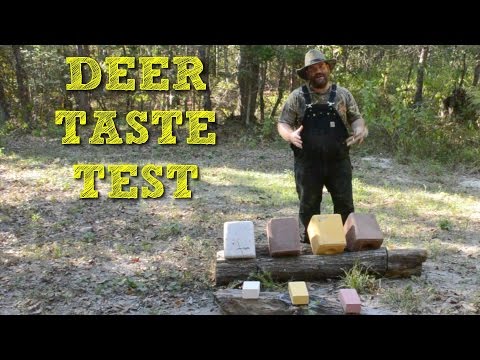
Deer actively search for concentrated sources of sodium and minerals to meet their real needs. Their bodies use these minerals for digestion, muscle and nerve function, and especially antler growth.
Plants that deer eat usually don’t have enough sodium. That’s a problem for them.
Deer Nutritional Needs
Deer mostly eat browse, forbs, and mast, but those foods don’t have much sodium. So, they go looking for salt licks or even eat soil to fill that gap.
Young deer and lactating does need even more minerals. Fawns that are nursing and does producing milk require extra sodium and calcium, so they visit mineral sites more often than others.
Wild whitetails often travel quite a distance to reach places with salt and trace minerals. When a lick or block supplies phosphorus, zinc, iron, or calcium along with sodium, you’ll see deer coming back again and again.
Those trace minerals help with bone and muscle growth. They also keep the immune system working, so a mineral lick becomes a solid supplement to their regular food.
Role of Sodium and Minerals
Sodium chloride—just plain salt—gives deer the sodium they need for nerve signals, fluid control, and digestion. When deer eat sodium, their bodies use it to make stomach acid and keep their cells working.
Trace minerals like phosphorus and calcium matter too. They’re important for bone health and metabolism.
You’ll notice deer prefer licks or blocks that mix salt with other minerals. That combo gives them a quick sodium fix and longer-term benefits from elements like zinc and iron.
Since sodium is rare in many inland areas, a salt block can bring deer back again and again.
Salt Licks and Antler Growth
Antler growth takes a lot of minerals—especially calcium and phosphorus—and bucks need enough sodium for their metabolism. In spring and early summer, bucks show up at licks more often because they’re growing antlers and need those nutrients.
Commercial mineral blocks made for deer usually focus on providing extra phosphorus and calcium. While salt alone won’t give you a trophy buck, regular access to minerals helps support healthier antler tissue.
Hunters and land managers often use licks to help bucks reach their potential for antler size.
Seasonal Changes in Deer Behavior
Deer visit salt licks way more in spring and summer, when antlers grow and does are lactating. If you watch closely, you’ll probably see more deer at licks from late March through August.
In colder months, deer rely on stored fat and browse, so they don’t visit licks as much.
Bucks focus on licks during velvet antler growth. Does and fawns show up when they need more minerals for milk or growth.
Seasonal changes in plants also affect how much deer need extra sodium. Timing and local habitat play a big role in how much deer use licks.
Types of Salt Licks and Their Uses

You’ve got choices: solid blocks, loose minerals, liquids, and even flavored options. Each type affects how long the minerals last, where you can set them, and how deer interact with them.
Salt Blocks vs Mineral Blocks
Salt blocks mostly contain sodium chloride. They last a long time and resist rain if you use a hardened or covered block.
Set them on flat ground or a rock where deer can easily reach them. Salt blocks are great if you just want to provide basic sodium.
Mineral blocks add calcium, phosphorus, zinc, and other trace elements. These support antler growth and lactation better than plain salt.
You’ll often see mineral salt blocks or mineral blocks for deer. Use these in spring and summer, when bucks and does need a nutrient boost.
Both types come in different sizes. Larger blocks last longer but can draw in more deer.
Keep blocks off the soil if you can. That keeps them cleaner and helps them last longer.
Natural vs Artificial Mineral Licks
Natural mineral licks show up as ground deposits or “trophy rock” where deer already visit. These don’t cost anything and deer already know about them.
You can’t control what nutrients they provide or where they are, though. If you find a natural lick on your property, try not to disturb it and maybe set up a trail camera to see what’s happening.
Artificial mineral licks let you pick the mineral mix and location. You can buy mineral salt rocks, blocks, or loose mixes.
Artificial licks make it easy to provide specific ratios of calcium, phosphorus, and sodium. Spread loose mineral mixes or set up block pedestals to keep things drier and reduce waste.
Both natural and artificial options have their place. Try artificial mineral blocks near deer trails if natural licks are too far from where you want deer to show up.
Flavored and Liquid Salt Licks
Flavored salt blocks add scent or taste to make them more attractive. Some have sweet or savory additives that encourage deer to check them out faster.
These can help if deer seem hesitant or if you want to concentrate activity for observation.
Liquid salt licks and powdered/granular liquids soak into logs or the ground. Liquid salt lick products spread minerals quickly, but they don’t last as long as blocks.
Use liquid licks for short-term boosts—maybe right before peak antler growth or to refresh a site late in the summer.
Flavored and liquid options work best with a solid mineral salt block. The block keeps minerals available over time, while liquid or flavored products draw deer in quickly.
Choosing the Right Salt Lick for Deer
First, think about what you want. Are you after just basic sodium, hoping to help with antler growth, or do you just want to attract deer fast? If it’s mainly sodium, go with a salt block or those classic salt lick blocks.
If you’re hoping for healthier antlers or better nutrition for fawns, you’ll want a mineral block or deer mineral blocks that have calcium and phosphorus in them.
The form matters, too. I usually use mineral salt blocks in wet spots since loose mixes just wash away in the rain. For dry, well-drained areas, try granular or liquid salt, or even mix it right into the soil near where deer feed.
Pay attention to how deer move. I like to put smaller blocks along their travel routes and save the big mineral salt rocks for spots where groups of deer hang out.
Always check the ingredient label. Some products made for livestock might have way too much of certain minerals for deer. It’s a good idea to swap out or refresh the salt licks every season so you’re keeping up with what the deer need.


