
Ever wonder if chimps cry when they’re sad, like humans do? It’s easy to imagine they might, since they’re our close relatives.
But here’s the thing: chimps definitely feel emotions—sadness, joy, anger, all of it. Still, they don’t shed tears to show those feelings.
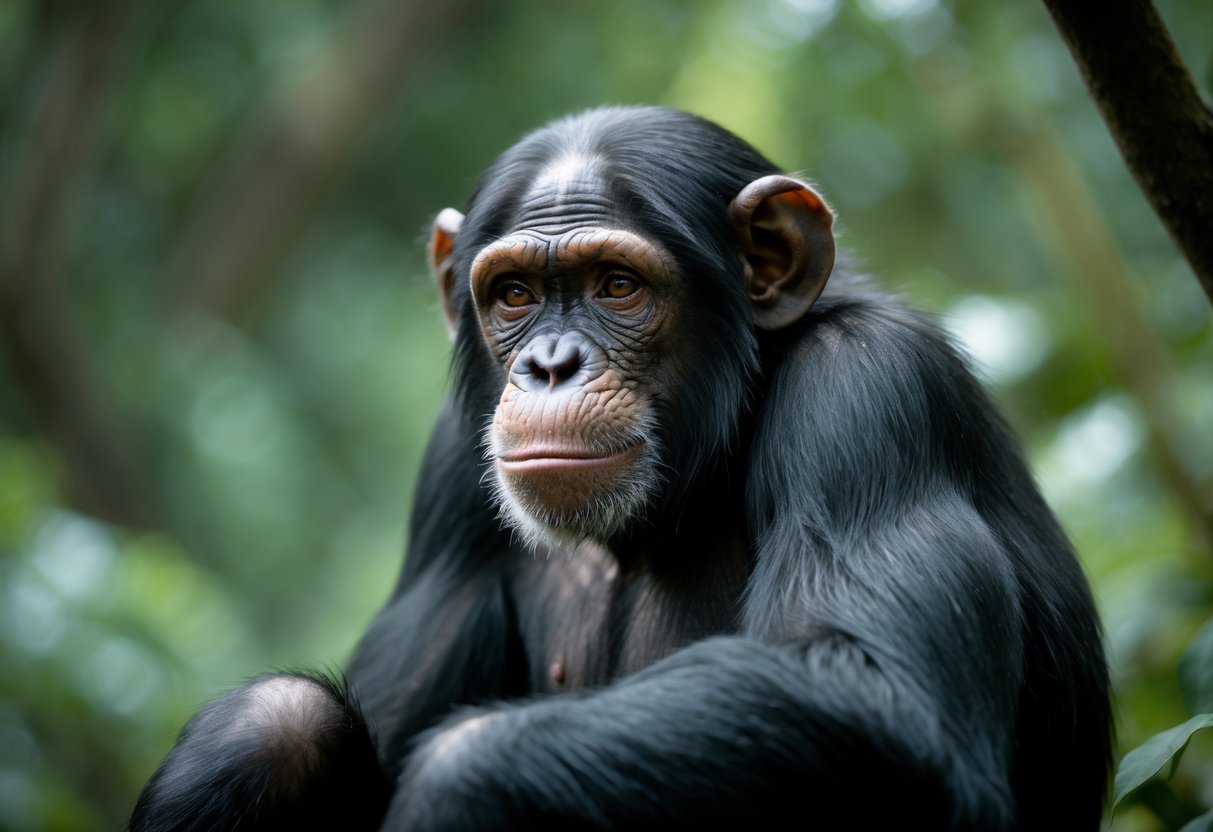
Instead, chimps show how they feel through their faces, sounds, and body language. You’ll sometimes hear them whimper, call out, or see them hug and groom each other when they need comfort.
If you pay attention, their ways of showing emotion feel just as real—just without the tears you might expect.
Learning how chimps express sadness lets you peek into their emotional world. You start to see them as more than just animals—they’re complex, and they communicate in their own way.
Do Chimps Cry When Sad?

Chimps don’t cry tears when they’re sad, even though they clearly feel emotions. They show what they feel through sounds, facial changes, and how they move.
If you look into how their tear systems work, it starts to make sense.
What Science Says About Chimpanzee Tears
Chimps don’t produce tears when they’re emotional. Scientists have watched them closely and noticed their tear glands just keep their eyes clean and moist.
Humans cry when they’re sad or happy, but chimps don’t shed tears for those reasons.
You might catch a chimp making soft whimpers or changing its face when it’s upset. But there’s no actual crying with tears.
Bonobos and other primates act the same way. Visible tears tied to feelings? That’s a human thing, at least among primates, even though chimps still show sadness in obvious ways.
Emotional Tears and Tear Ducts in Primates
All primates, chimps included, have tear ducts and glands that protect their eyes. These parts clear away dust and keep their eyes healthy.
But emotional tears—those watery eyes from feelings—really just happen in humans.
Chimps’ tear ducts don’t react to emotions that way. Instead, they use facial cues like drooping brows or slow blinking to signal sadness.
Their tear glands mostly handle eye care, not emotions. So, if you see a chimp looking down, its eyes won’t water like yours might.
This difference really shows how chimps and their relatives use voice and body language to share feelings, not tears.
How Chimps Express Sadness and Other Emotions

Chimps don’t cry tears, but they make their feelings clear. You can see it in their faces, their movements, and the sounds they make.
They also use social actions, like touching or hugging, to share how they feel and get comfort.
Facial Expressions and Body Language
When chimps feel sad, their faces change. You might spot the corners of their mouths turning down, or their eyes looking dull and unfocused.
Sometimes they show a “fear grimace”—it looks a bit like a smile, but it really means they’re scared.
Their body language tells a story, too. A sad chimp might hang its head or slouch, maybe even drift away from the group.
Watch for slow blinking or lowered eyes—these little things can show you they’re feeling down. These expressions help them share pain or sadness without words.
Vocalizations: Screaming, Whimpering, and More
Chimps don’t cry tears, but they definitely make sounds when they’re emotional. When they’re upset, you might hear soft whimpers that show sadness or quiet distress.
Loud screams pop up during fear or anger, making it obvious to others that something’s wrong.
These sounds help chimps ask for help, get comfort, or warn the group. Each call means something different, so if you listen closely, you can get a sense of what the chimp feels or needs.
Their calls are a big part of how they share emotions.
Social Behaviors: Hugging, Kissing, and Comfort
Chimpanzees lean on touch to comfort each other, and honestly, it’s pretty heartwarming to watch. You’ll spot them hugging or gently patting a friend when things get rough.
One chimp might pick through another’s fur—grooming is a big deal for them. It’s not just about staying clean; it’s their way of showing support and keeping those emotional bonds strong.
Kissing gestures happen too, which feels kind of surprising, doesn’t it? Chimps use these little kisses to show they care or to help calm someone down.
These small moments build trust and help the group handle sadness or stress together. If you ever watch chimps connect through touch, you’ll get a real sense of how much they care for each other.
Want to dive deeper? Check out this article on how chimpanzees express sadness and other feelings.


