
Ever wondered if chimps cry when they’re sad, kind of like we do? You might expect these close relatives to shed a few tears when they’re upset. But chimps don’t cry emotional tears when they feel sad—even though they definitely experience strong feelings.

Instead of crying, chimps rely on sounds, facial expressions, and body language to show when they’re upset or grieving. Their voices change, and you’ll notice shifts in the way they move. These signals help you figure out how they feel, even though they don’t actually shed tears.
If you’re curious about how chimps express emotions differently from us—yet just as genuinely—stick around. Their ways of showing sadness and other feelings are pretty unique.
Do Chimps Cry When Sad?
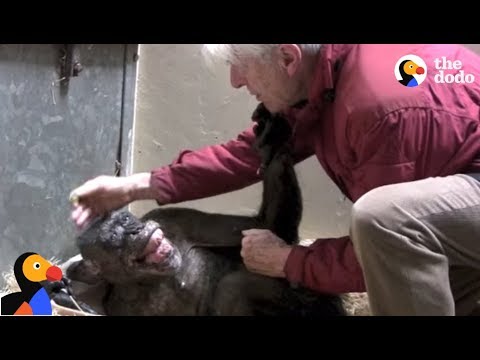
So, do chimps cry tears when they’re sad like humans? Not really. They do show emotions like sadness or distress, but they express these feelings in other ways. Their bodies and behavior give you hints, but you won’t see emotional tears.
The Role of Tear Ducts and Emotional Tears
Chimps have tear ducts, just like we do. These ducts keep their eyes moist and clean by making tears. But their tears aren’t tied to emotions.
Humans are unique among primates because we cry emotional tears. Chimps—and bonobos, for that matter—only use tears for eye care. Emotional tears just aren’t part of their toolkit.
Differences From Human Crying
When chimps feel upset, they don’t shed watery tears. Instead, they show their feelings with facial expressions, loud calls, or body language. These behaviors act as their own style of “crying.”
Humans cry with tears to show sadness, pain, or even joy. Chimps rely on sounds and gestures. A chimp might scream or pout, but you won’t catch one wiping away tears. It’s a pretty big difference, and honestly, it makes you realize just how unique human crying is.
Understanding Emotional Distress in Chimpanzees
Chimps feel emotions deeply, but they don’t express them with emotional tears. When a chimp loses a family member or gets hurt, you might see it grunt softly, hug another chimp, or just look withdrawn.
They share emotions in their own ways—no tears needed. They use vocal sounds, facial expressions, and touch to communicate pain or sadness. You can spot these signals and know when a chimp feels upset or scared.
| Behavior Showing Emotional Distress | Description |
|---|---|
| Vocalizations | Screams, grunts, or whimpers |
| Facial Expressions | Frowning, pouting |
| Social Support | Hugging or touching others |
If you notice these signs, you’ll get a better sense of how chimps express emotions—without the tears. For more details, check out how chimpanzees do not shed tears like humans.
How Chimpanzees Express Sadness and Other Emotions

Chimps show how they feel in all kinds of ways. Their faces, sounds, and body movements give you clues about whether they’re sad, scared, or happy.
You can learn a lot just by watching their expressions and how they interact with others.
Facial Expressions and Their Meanings
Chimpanzees use their faces a lot to show sadness and other emotions. If a chimp feels sad, you might notice the corners of its mouth droop or its eyes look dull and unfocused.
Sometimes they blink slowly or avoid eye contact when they feel down.
A “fear grimace” is another key expression. It might look like a smile, but it actually shows fear or unease. You might spot chimps making “kissing” faces too. This gentle gesture helps them calm themselves or others when things get tough.
These facial cues are a big part of how chimps communicate. If you watch closely, you’ll start to pick up on these little changes and get a better feel for what a chimp is feeling.
Vocalizations: Screaming and Whimpering
Chimps don’t cry tears, but you can definitely hear their emotions. When they’re sad or scared, they often whimper softly or let out loud screams.
A whimper might mean they’re upset or missing someone. Screams can warn others of danger, or show strong anger and fear.
These sounds grab attention and sometimes bring comfort from friends nearby.
Listening to these vocalizations is a good way to figure out how a chimp feels. The quiet noises usually show sadness or pain, while loud cries signal more urgent emotions.
Body Language: Hugging and Kissing
Chimpanzees really rely on touch to share how they feel. If a chimp seems sad or upset, you’ll probably catch them hugging or gently patting another chimp.
They call this grooming. It calms them down and keeps their social bonds strong.
Hugging shows support and comfort—makes sense, right? Kissing, where they press their lips softly, is another way chimps try to soothe each other.
You’ll often see them do this after something stressful happens, just to show they care.
If you notice a chimp slouching or hanging their head, it probably means they’re feeling low. Watching how chimps touch and hold each other tells you a lot about what’s going on inside, even when they don’t make a sound.
Curious about more ways chimps show their feelings? Check out how chimpanzees show emotions for a deeper dive.


