
Ever wondered if bees actually warn you before they sting? Turns out, they often do. Honeybees and bumblebees, for example, will try to let you know you’re getting too close.
You might notice a bee bumping into you or buzzing a little too close for comfort. That’s usually their way of saying, “Hey, back off!” without going straight for the sting. Bees would much rather warn you first because stinging isn’t great for them either.
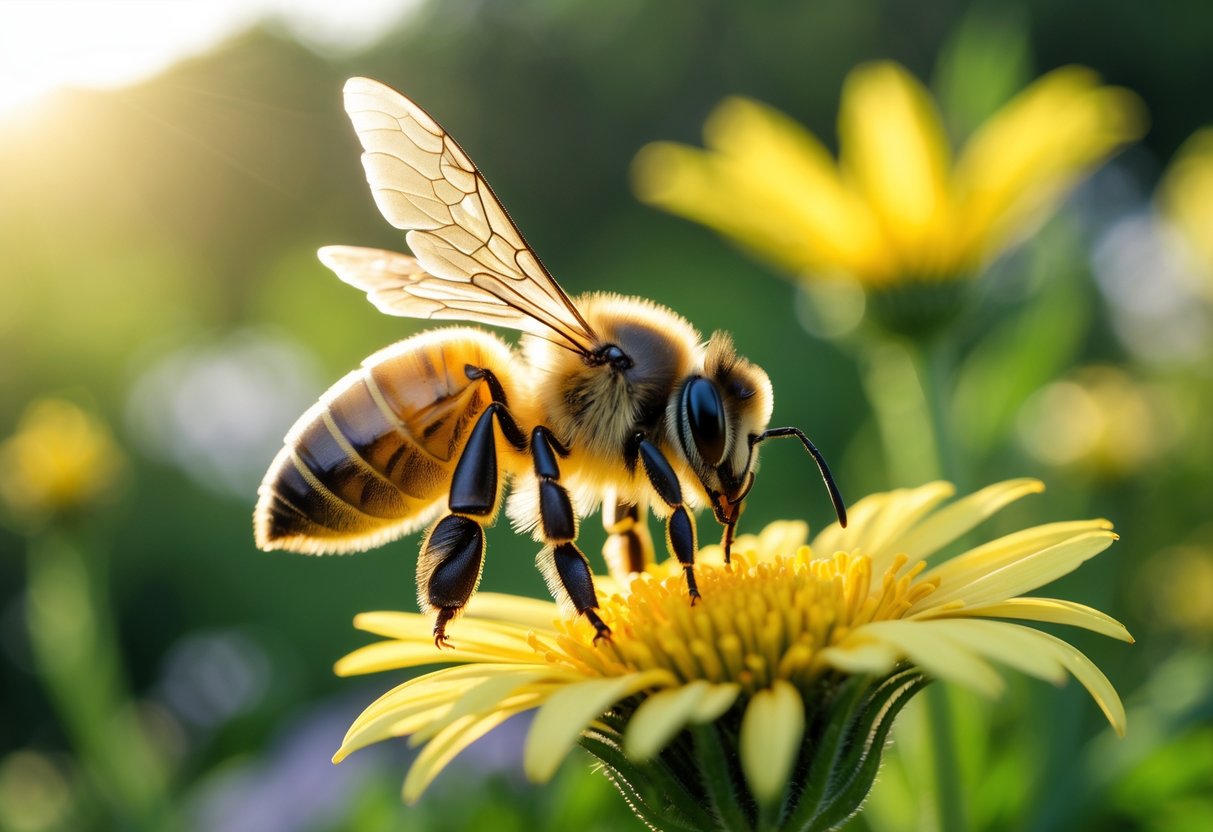
If you learn to spot these warning signs, you’ll have a much better shot at avoiding a sting. Bees don’t want to sting unless they absolutely have to.
They’re just trying to protect themselves or their home. Paying attention to their behavior could save you some pain.
Understanding how bees “talk” can make hanging out outdoors a lot less stressful. So, let’s look at a few hints bees give before they sting and how you can keep the peace.
How Bees Warn of Danger

Bees use a bunch of different ways to warn their hive about danger. They rely on sounds, smells, and even some funky little movements to get the message across.
These signals snap the attention of other bees right away. That way, everyone knows when to defend the hive or just steer clear.
Types of Warning Signals
Depending on what’s going on, bees send out different warning signals. One common one is a sharp vibration or a really loud buzz, kind of like an alarm bell.
They’ll change up the tone or rhythm if the threat feels bigger. Sometimes you’ll see bees do quick, jerky moves to make sure the others notice.
Africanized honey bees? They take things up a notch. They react faster and way more aggressively to threats.
They’ll send out more alarms, basically telling the whole colony to get ready for action.
Communication Through Stop Signals
Stop signals are a little wild. Bees use these special sounds or vibrations to tell others, “Stop what you’re doing!”
Say a foraging bee runs into trouble at a food spot. It’ll send a stop signal to warn its nestmates not to go there.
Think of it like a bee traffic cop waving everyone away. These signals are short, repeated pulses that make other bees freeze or change direction.
That way, fewer bees end up in danger. If you’re curious, researchers at UC San Diego studied how Asian honey bees use stop signals when predators attack.
Role of Alarm Pheromones
Bees also use alarm pheromones—basically, chemical smells—to spread the word about danger. These scents move fast through the hive and get everyone on alert.
When a bee stings, it releases pheromones that tell the others, “Time to get aggressive!” Isopentyl acetate is a big one here.
These chemicals make guard bees stand watch or even go on the attack. That’s how honeybees keep their hive safe from things like wasps, bears, or, well, us humans.
If you get close to a hive, you might actually smell the alarm pheromones. That’s when bees get extra jumpy and ready to defend their home.
Behaviors Before and After a Sting
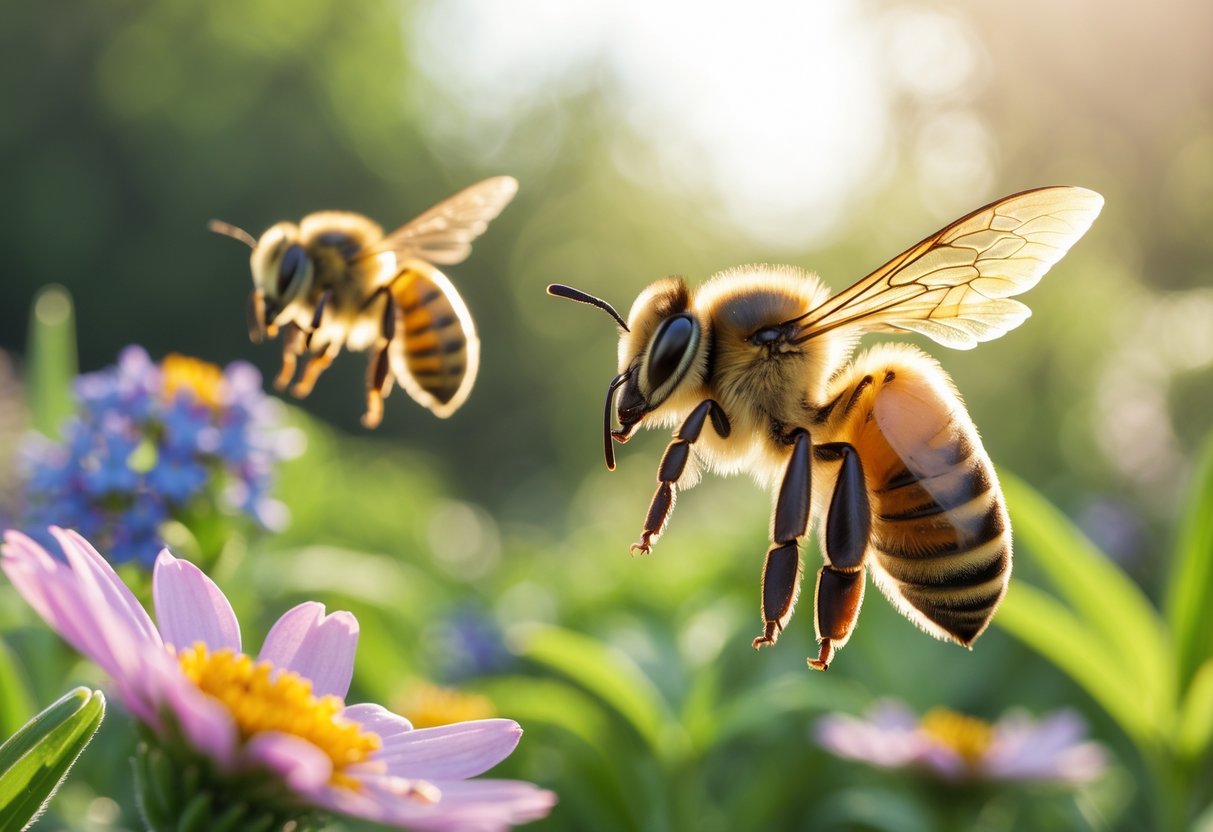
Bees and their cousins don’t just sting out of nowhere. They usually give you some pretty obvious signals first.
If you can spot these, you’ll have a much better shot at avoiding a sting. Guard bees, like yellow jackets, wasps, and hornets, each have their own style.
Defensive Signs and What They Mean
If a bee bumps you or hovers right near your head, that’s a warning. It’s their way of saying, “Please move away.”
You might also hear louder buzzing or see sudden, darting movements near their nest. Swatting or making quick moves can freak bees out and make them more likely to sting.
Honey bees, especially, give several warnings before stinging. Since they die after stinging, it’s kind of a last resort.
If you notice these signals, back off and you’ll probably be fine.
Actions of Guard Bees
Guard bees take their job seriously. They’ll head-butt or bump you if you’re too close.
Stick around their nest and they’ll ramp up these warnings to get you to leave. Yellow jackets and hornets can be even more intense.
Unlike honey bees, they can sting over and over, so their warnings might come off as pretty aggressive. If you see a bunch of guard bees acting defensively, your best bet is to walk away slowly and calmly.
Species Differences: Wasps, Hornets, and Yellow Jackets
People often mix up wasps, hornets, and yellow jackets with bees, but they’re not actually bees at all.
Unlike honey bees, these insects have smooth stingers. They can sting you over and over again without dying—yeah, not great news if you run into one.
These species usually act more aggressive, especially near food or their nests. Honey bees might give you a warning, but yellow jackets and hornets? They’ll sometimes sting right away if they feel threatened.
If you want to know how bees actually warn you before they sting, here’s a handy guide on bee warning behaviors.


