
Ever watched bees darting around on a sunny afternoon and wondered what they do when night falls? Do they sleep like us, or just pause for a bit with their eyes open? Turns out, bees do sleep at night, usually clocking in about 5 to 8 hours—pretty similar to what most people get. They need that downtime to stay sharp and keep up with all the buzzing around they do.
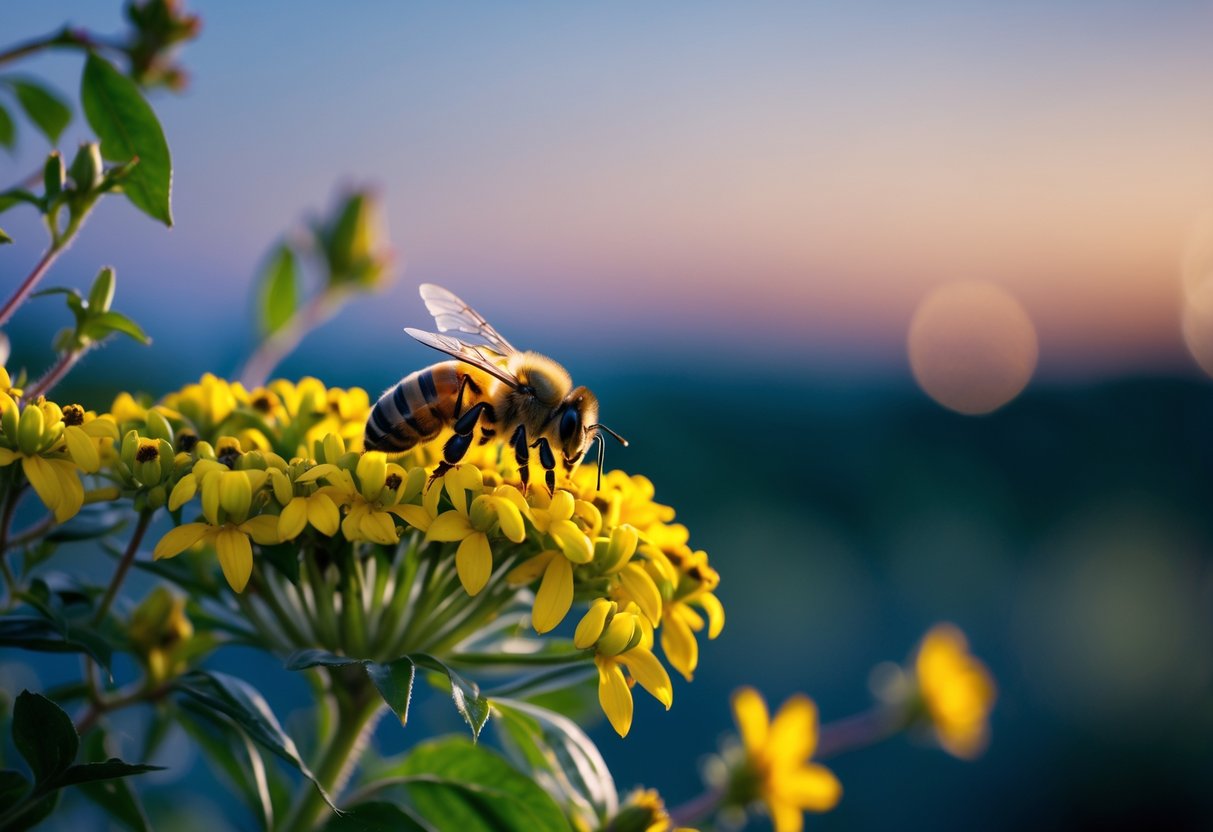
Inside the hive, bees look for quiet corners, sometimes curling up in honeycomb cells or even hanging from the walls. Not every bee sleeps the same way. Young bees might just doze off for a few minutes here and there, but older bees—especially the foragers—tend to get their main rest at night.
It’s kind of fascinating how bees manage their rest, honestly. If you’ve ever wondered why you don’t see them out and about after dark, it’s because they slow down and save their energy for the next day. Want to dig into where bees sleep and why it matters? Let’s keep going.
Do Bees Go to Sleep at Night?

Bees rest at night, much like we do. Their sleep habits, nighttime routines, and the reasons behind them all connect to their daily roles in the hive.
It’s pretty wild how their routines keep the whole colony running smoothly.
How Bees Sleep and Rest
Bees usually sleep for about 5 to 8 hours each night. When they sleep, their bodies cool down a bit, and you’ll see them slouch or hang quietly.
Their sleep comes in phases—sometimes light, sometimes deep—kind of like ours. This lets them recover from a busy day and wake up ready for more.
Some bees sneak in quick naps while the sun’s up. But at night, most honey bees settle in for a deeper, longer rest to recharge.
Nighttime Behavior of Diurnal Bees
Since bees are diurnal, they spend the day working and wind down after sunset. Forager bees stop flying and head back to the hive to sleep.
Younger bees, especially nurse bees, don’t always stick to the same schedule. They might stay up tending to the brood, even late at night.
Bees huddle together in the hive to keep warm. When they rest, they stay still and quiet, saving up energy for whatever comes next.
What Sleep Means for the Bee Colony
Sleep keeps the whole bee colony in good shape. Well-rested bees do a better job, whether they’re out collecting nectar or caring for the queen.
If bees miss out on sleep, they get sloppy with navigation and communication.
You could say sleep is their secret weapon for keeping everything organized. Every bee needs to be on point for the colony to thrive.
If you want to dive deeper into how bees manage to rest so peacefully, check out Do Bees Go to Sleep at Night? A Look at How Bees Rest.
Factors Influencing Bee Sleep Patterns
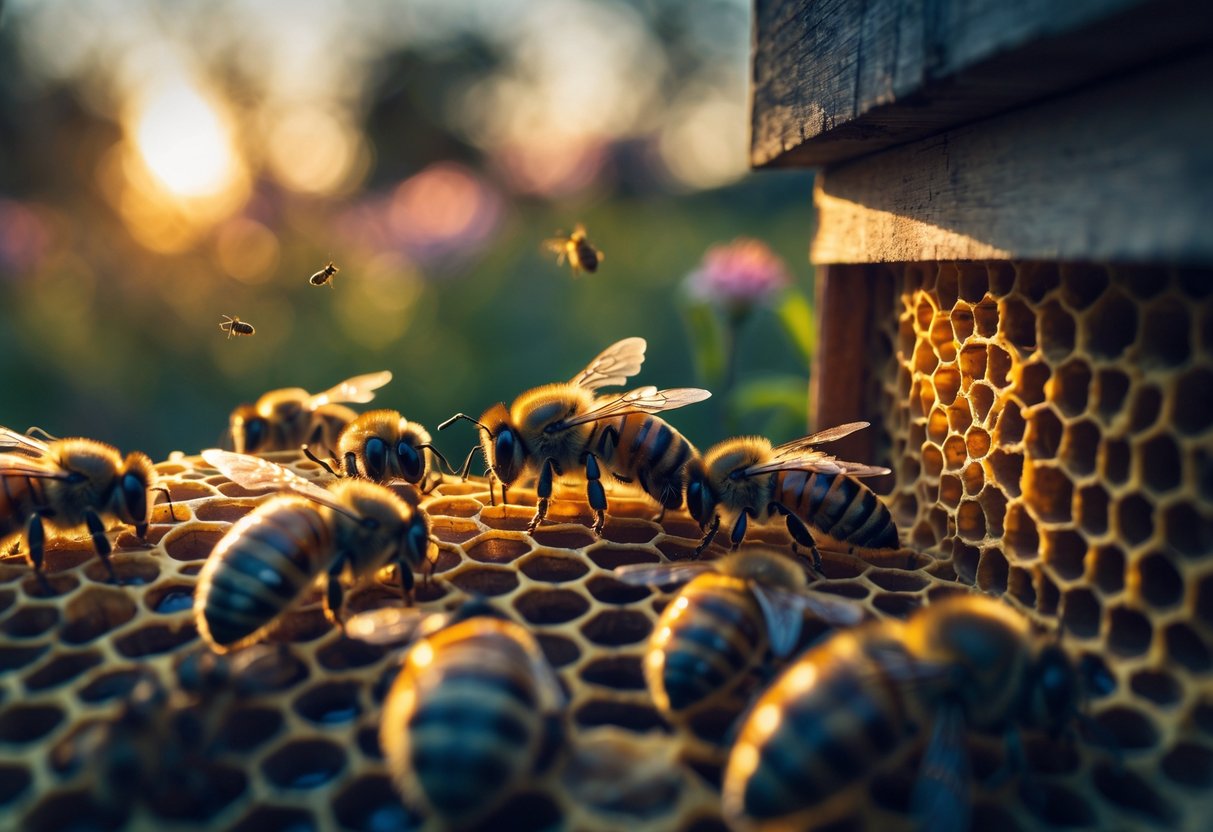
A bee’s sleep really depends on what’s happening in its environment. Changes in light and temperature shape how and when bees take a break.
Light and Darkness Impact
Bees are diurnal, so they’re most active during the day and rest when it’s dark. Light tells them when it’s time to wind down.
As soon as the sun drops, bees get the signal to slow things down and start resting.
During the day, they might catch a few quick naps, but real sleep usually happens at night. If it’s too bright—whether from long summer days or nearby lights—bees might not get the sleep they need.
If you want your bees to rest well, try to keep things dim around the hive after sunset. It’s a small thing, but it makes a difference.
Temperature and Seasonal Changes
Temperature really shapes when and how your bees decide to sleep. On cooler nights, you’ll probably notice that bees settle down and rest for longer stretches.
If things get too cold, some bees just slip into a lighter sleep—or even torpor—to hang onto their energy.
Seasons play a big role, too. When the weather turns cold, bees slow down and rest more often.
But when it’s warm out, they might sneak in short naps during the day, not just at night.
Your bee’s sleep habits shift with the seasons, all to keep the colony humming along. It’s actually pretty useful to know this, so you can keep up with their needs as the year rolls on.
Learn more about how light affects bee rest in When Do Bees Go to Sleep? The Science of Bee Rest.


