
Badgers can sometimes turn your garden into a playground, and their digging habits may leave you feeling frustrated. While these nocturnal creatures contribute to the ecosystem by helping with soil aeration and controlling rodent populations, their presence can cause concern for homeowners. Badgers are a protected species in many areas, so you cannot remove them from your garden easily.
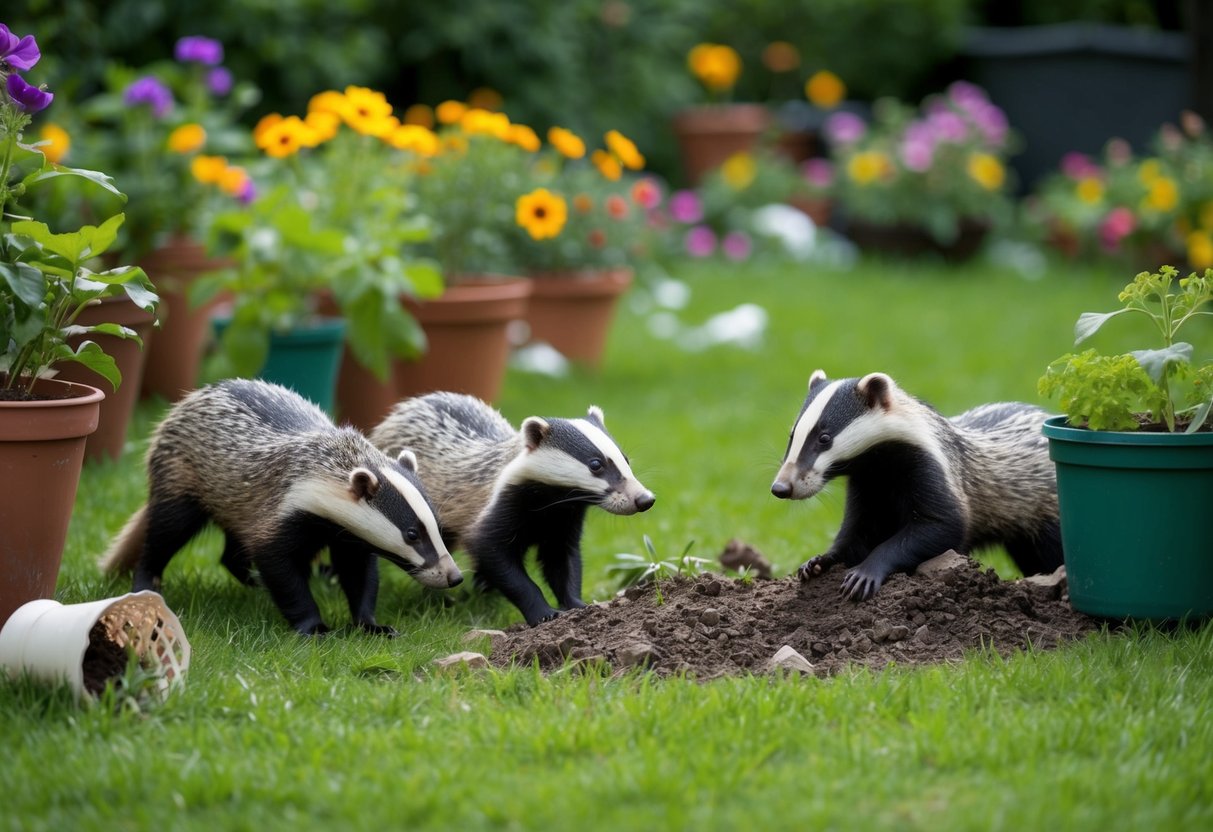
Instead of removing them, consider ways to deter badgers from invading your space. Simple measures like securing compost bins and avoiding food or bird seed left out can help keep them at bay.
Understanding their behavior and habitat needs will make your garden less attractive to these wildlife visitors, allowing you to enjoy your outdoor space without pesky interruptions.
Understanding Badger Behavior

To effectively manage badgers in your garden, it’s essential to understand their behavior. Badgers have unique living and feeding habits that influence how they interact with your space.
Territory and Setts
Badgers are territorial animals. They create and maintain a network of underground homes known as setts. A sett can be quite elaborate, consisting of multiple tunnels and chambers.
Badger clans typically inhabit an area of several acres. They mark their territory using scent, which can deter other animals. If badgers feel secure in their territory, they are less likely to roam into your garden.
Identifying any nearby setts can help you understand why badgers visit your yard. If a sett is close, badger activity in your garden could increase, especially during their active seasons. Recognizing these patterns can aid in your control efforts.
Diet and Feeding Habits
Badgers are omnivorous and primarily feed on earthworms, but their diet includes insects, fruits, and small mammals. They are known to dig through gardens to find these food sources.
Understanding what attracts badgers to your garden can help you limit their visits. If your garden has soft soil or rich vegetation, it may be inviting for them.
Badgers often forage at night, making them nocturnal foragers. They have keen senses, allowing them to find food effectively after sunset. By knowing when and how they feed, you can better protect your garden from these persistent creatures.
Preventative Measures for Your Garden
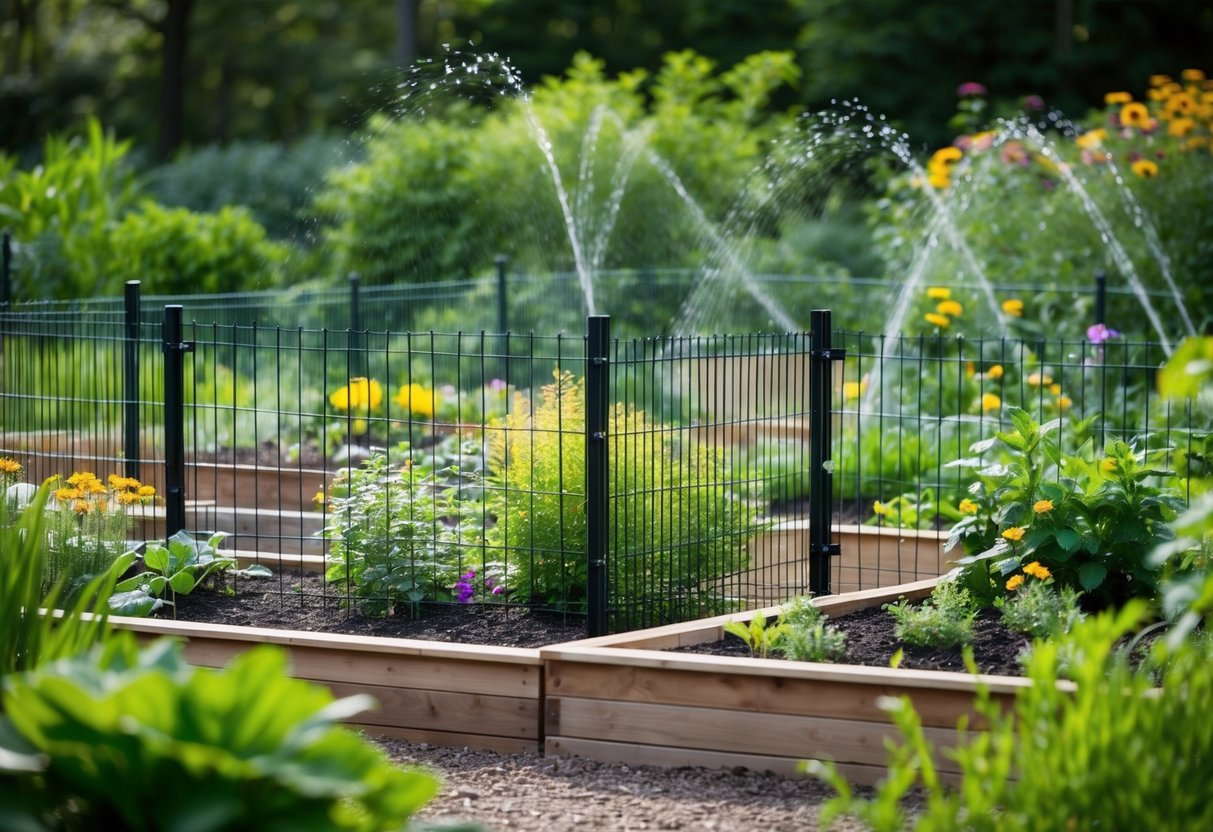
Taking steps to prevent badgers from visiting your garden can help protect your plants and keep your outdoor space pleasant. By modifying their habitat and implementing physical barriers, you can make your garden less appealing to these creatures.
Habitat Modification Strategies
To deter badgers, start by removing food sources. Badgers are attracted to easy meals, so secure your trash bins with bungee cords. Avoid leaving pet food outside, as this can draw them in. If you feed birds, consider moving your bird feeders. Suspend the feeders to prevent badgers from accessing fallen seeds.
You should also manage plant growth. Trim dense areas and keep your garden neat. Badgers often seek shelter in tall grass or overgrown bushes. By creating an open space, you reduce their hiding spots.
Consider planting flowers that repel animals, as certain strong scents might deter them without harming your garden.
Implementing Physical Barriers
Creating physical barriers is an effective way to keep badgers at bay. Fencing is essential. Use strong fencing materials, such as chicken wire, to block entry.
Make sure that the fence is at least 3 feet high and buried about 1 foot into the ground to prevent digging.
Another option is electric fencing, which provides an additional layer of protection. This type of fence can be particularly effective in deterring badgers.
When installing barriers, ensure that all gaps are closed; badgers can squeeze through surprisingly small openings.
Humane Deterrent Techniques
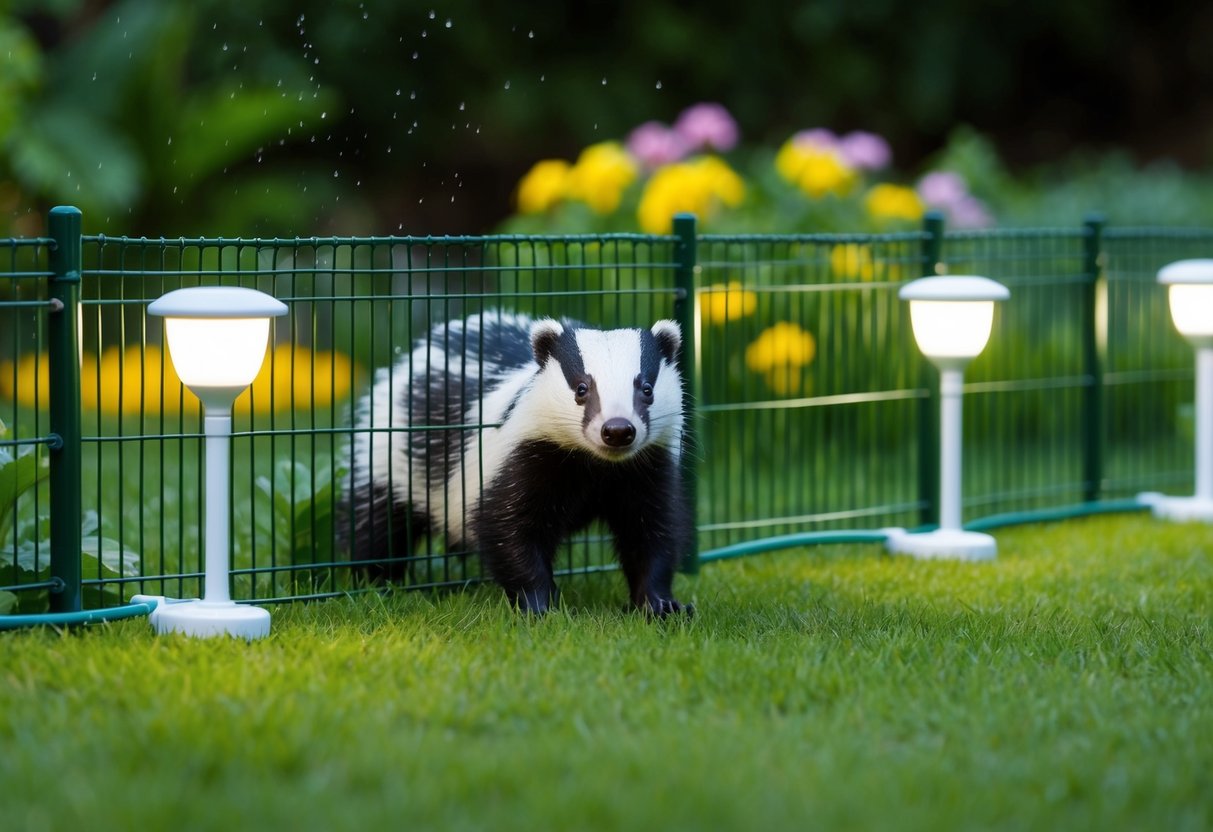
Keeping badgers away from your garden can be done in a friendly and natural way. You can use various techniques that do not harm these animals while still being effective.
Using Natural Repellents
One of the easiest ways to deter badgers is by using natural repellents. Certain scents are unpleasant to them.
You can try citronella, cayenne pepper, or vinegar. To use these, mix them with water and spray around your garden.
Another option is to plant strong-smelling herbs like lavender or mint. These plants can create an eco-friendly barrier.
Additionally, using commercial badger repellents made from natural ingredients can also work. These options are not only safe for badgers but also friendly to the environment.
Employing Sonic Devices
Sonic devices are another humane technique to keep badgers away. These devices emit high-frequency sounds that are bothersome to wildlife but are inaudible to humans.
You can place these devices at strategic points in your garden. They work by detecting movement and then activating.
Make sure to choose devices designed specifically for badgers or similar wildlife.
Many of these devices are solar-powered, making them energy-efficient and easy to maintain.
Using sonic devices is a great way to protect your garden without causing harm or distress to badgers.
Dealing with Badger Damage and Working with Authorities

If badgers have caused damage in your garden, it’s important to address both the harm they’ve done and any necessary interactions with local authorities.
Knowing how to repair badger damage and understanding the legal aspects can help you manage the situation effectively.
Repairing Badger Damage
Badgers can create holes and disturb your garden, which can be frustrating. First, assess the damage caused by badger digging. Look for badger holes and areas where soil has been disturbed.
To repair these spots, fill the holes with soil and pack it tightly. You might need to reseed any grass or plants that were affected.
In addition, consider preventative measures, such as using barriers like sturdy fencing or applying natural repellents to stop badgers from returning. Maintaining the garden regularly can also discourage badger activity.
Legal Aspects and Involving Experts
Before taking any action against badgers, make sure you know the legal regulations in your area. In many places, badgers are protected by law. This means local wildlife authorities must give you proper permission before you can harm or relocate them.
If the problem persists, contact local wildlife authorities for guidance. They can provide advice tailored to your situation. In some cases, they may send professionals to assess the damage and suggest solutions.
Hiring experts ensures that both your property and the badgers are treated with care, following safety precautions. You can then focus on enjoying your garden without constant worries about badger activity.


