
Ever spotted a chipmunk darting across your yard and wondered if you could actually pick one up? They look adorable, sure, but they’re wild creatures with their own quirks and instincts.
You can pick up a chipmunk, but you really should only do it if you absolutely have to. Always wear gloves—nobody wants a bite or scratch.
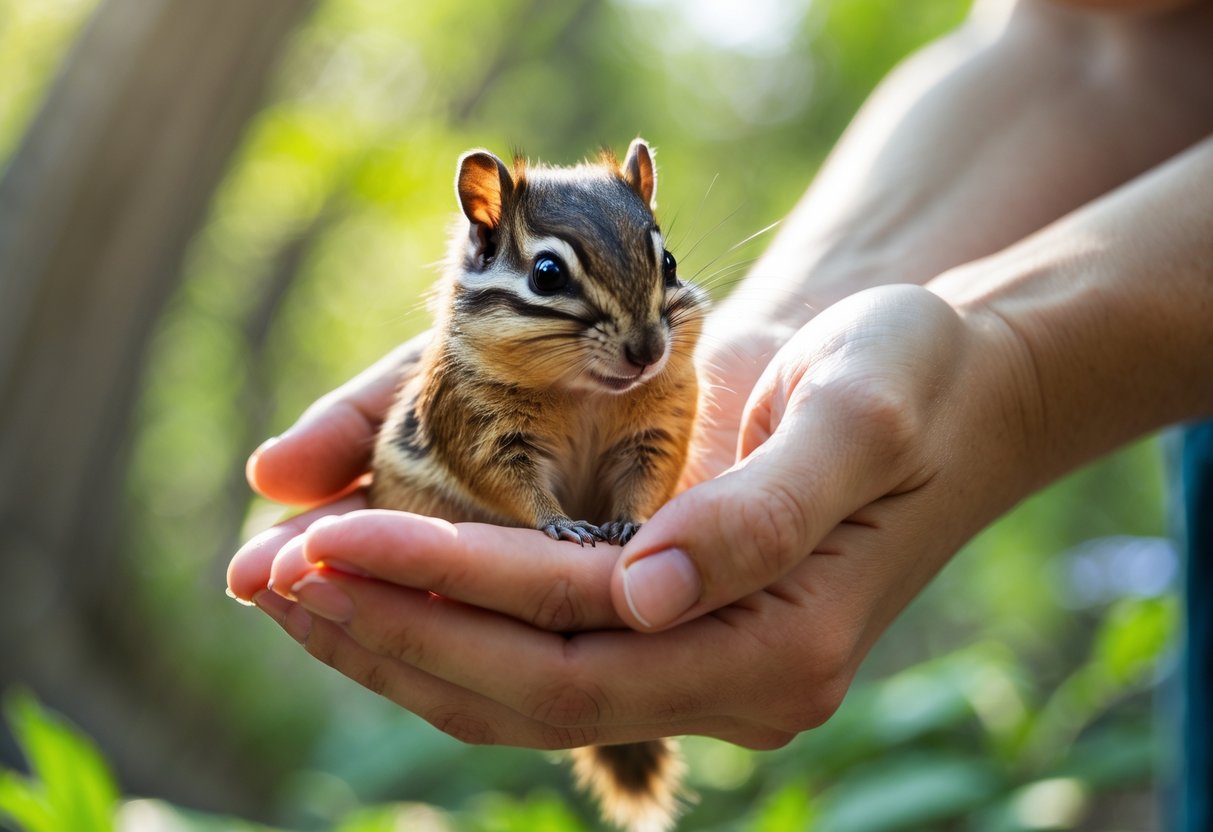
Chipmunks won’t usually go on the offensive, but if they feel scared or cornered, they’ll defend themselves. They sometimes carry diseases, so handling them without taking precautions isn’t a great idea.
Try to approach them gently and give them space. That way, you’ll avoid stressing yourself and the chipmunk.
If you’re curious about when and how you might safely pick up a chipmunk—or if you should just let them be—keep reading. There’s a lot to consider.
Can You Pick Up Chipmunks? Safety, Behavior, and Legal Considerations
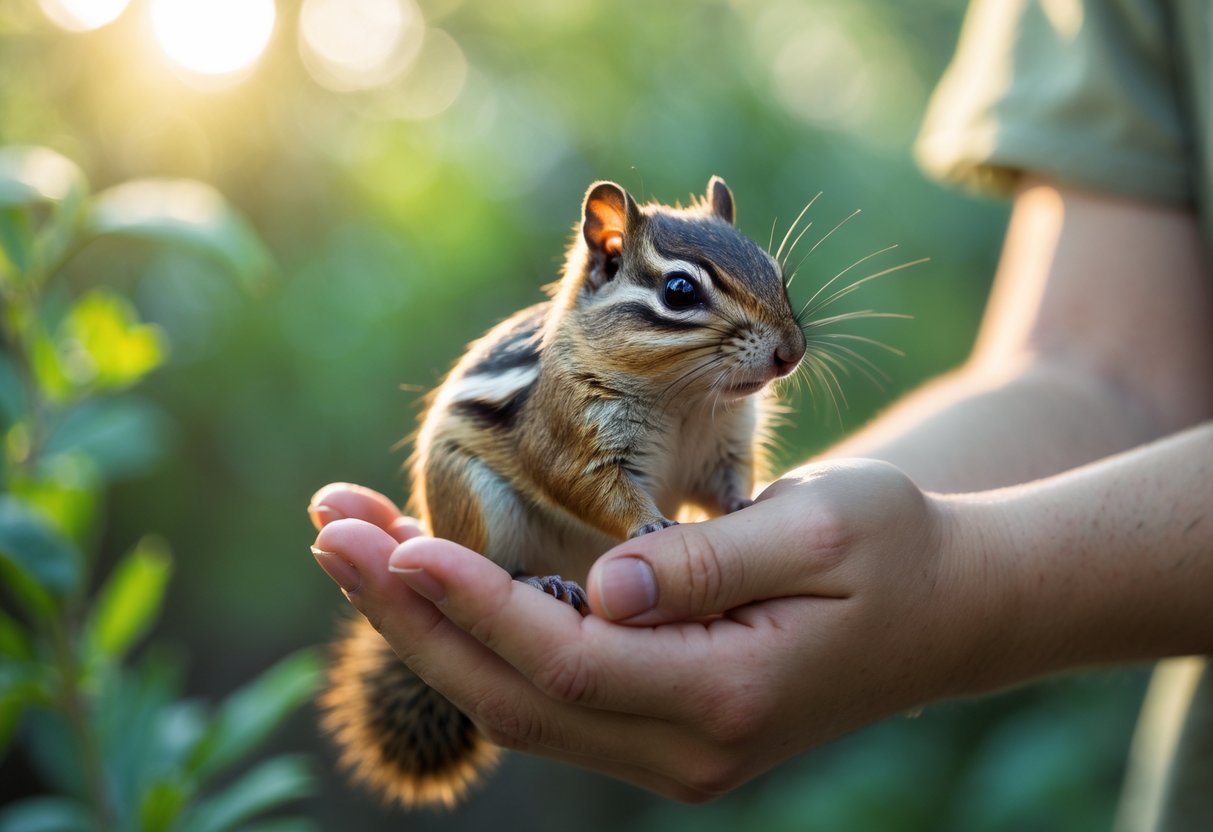
Chipmunks move fast and act curious, but they’re guided by strong instincts. If you want to handle one, you’ll need to understand how they behave, learn safe handling, and check the laws in your area.
Respecting the animal is key. You don’t want to hurt yourself or the chipmunk.
Chipmunk Behavior and Natural Instincts
Chipmunks react quickly to threats and rely on speed to escape. Siberian chipmunks, especially, seem less tolerant of people than some other types.
Most chipmunks will dash away if you try to catch them. If you reach for them without warning, they might bite or scratch out of fear.
They’re just not used to being handled, so sudden moves can stress or hurt them.
Watch how a chipmunk behaves before you try to touch it. If it looks nervous or tries to run, it’s probably best to leave it alone.
When and How to Safely Pick Up a Chipmunk
If you do need to pick up a chipmunk, approach slowly and calmly. Gloves are your friend here.
Let the chipmunk get used to you first. Sometimes offering a treat like seeds or nuts helps build a bit of trust.
When you pick it up, gently cup your hands around its body. Support its chest and hind legs.
Never grab a chipmunk by its tail or limbs. Hold it close to your body so it feels secure.
Keep things quick. The less time you spend holding it, the less stressed it’ll be. Always release it safely back where it belongs.
Risks of Handling Wild Chipmunks
Handling wild chipmunks comes with risks for both you and the animal. Chipmunks can carry diseases like ticks or bacteria that can transfer to humans.
If you get bitten or scratched, you could end up with an infection. That’s another good reason to wear gloves.
Chipmunks get stressed by human contact, and that can mess with their health. If you hold them too tightly, they might injure themselves trying to get away.
With pet chipmunks or those bred for captivity, the risks are lower. Wild chipmunks, though, are better off left alone.
Regional Laws About Handling Chipmunks
Laws about chipmunk handling really depend on where you live. Some places ban picking up or keeping native chipmunks as pets to protect local wildlife.
You might need a special permit to handle or relocate them legally. If you take chipmunks from the wild without permission, you could face fines.
Check with your state’s wildlife department to understand what’s allowed. Sometimes local city or homeowner rules are even stricter.
You can read more about the legal side of things here: legal chipmunk ownership and handling.
Handling Pet Chipmunks and Young Chipmunks

When you handle chipmunks, staying calm and gentle is important. You want them to feel safe and avoid unnecessary stress.
Knowing how to interact with both pet and baby chipmunks helps you build trust and keep them healthy.
Socializing Pet Chipmunks
If you want to socialize your pet chipmunk, start when it’s young. Use slow, gentle movements so it doesn’t get scared.
Talk softly and let it sniff your hand before picking it up. Regular, gentle handling helps your chipmunk recognize you and feel safe.
Keep your hands clean and free of strong smells. Offering treats as rewards can help your chipmunk associate you with good things.
Be patient—some chipmunks take a while to trust people. Interact with your chipmunk every day to help it become more social.
Best Practices for Picking Up Baby Chipmunks
Baby chipmunks are delicate, so you need to be extra careful. If you find a wild baby chipmunk, it’s a good idea to call a wildlife expert first.
If you have to handle one, use a soft cloth or gloves. Support its whole body gently with your hand.
Don’t grab or squeeze. Keep handling short to avoid stressing the baby chipmunk.
Try to keep things quiet and calm while you hold it. Never try to feed a wild baby chipmunk yourself—feeding them the wrong way can hurt them.
Chipmunk Health and Stress While Handling
If you handle a chipmunk the wrong way, you can really stress it out and even mess with its health. You’ll probably notice signs like quick breathing, biting, or maybe just a lot of squirming and restlessness.
Try to hold chipmunks gently—don’t rush it, and definitely avoid sudden movements.
Let your chipmunk have a cozy spot to hide in after you’re done handling them. Short sessions work best, especially if you’ve got a baby chipmunk.
Keep an eye out for changes in how much they eat or act after you handle them. Sometimes that’s a red flag for health issues.
If you keep their space clean and toss in a little mental stimulation, you’ll help them feel a lot better when you interact.


