
Ever wondered if you can eat honey made by bumblebees? The answer might surprise you.
Bumblebees do make a bit of honey, but not nearly enough for people to collect or eat the way we do with honeybee honey. Their honey mostly feeds the colony for a short time, unlike the big honey stashes honeybees create.
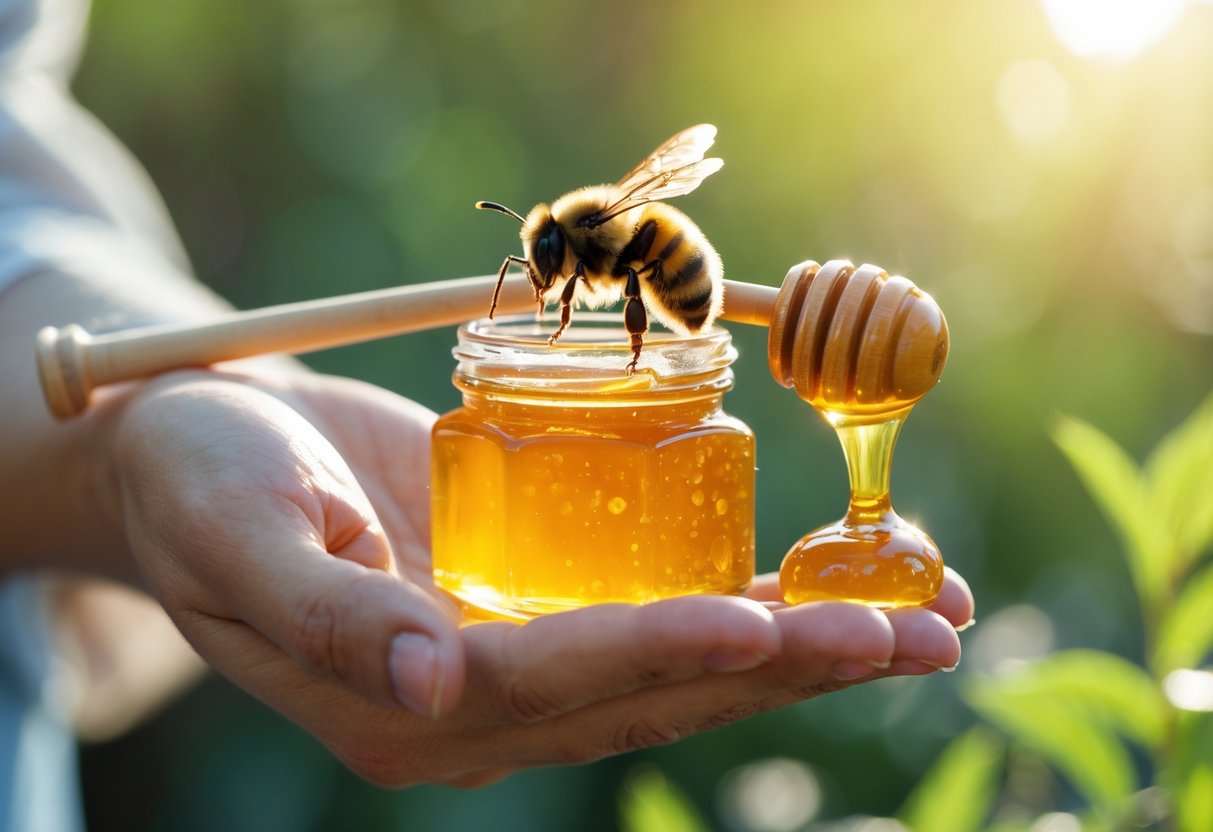
Bumblebee colonies last just one season, so they don’t store much honey at all. You won’t find bumblebee honey on store shelves, and honestly, it’s just not practical for humans to use.
Curious why? Or what that honey actually does for the bees? Let’s dig into the details about these busy little pollinators and their not-so-famous honey.
Can You Eat Honey From Bumblebee?

Bumblebees do make a kind of honey, but it’s not really the same as what you get from honey bees. They stash away small amounts, mainly to help their colony get through times when flowers aren’t blooming.
Can you eat it? Well, technically yes, but the story’s a bit more complicated.
How Is Bumblebee Honey Produced?
Bumblebees collect nectar from flowers, just like honey bees. The worker bees bring this nectar back to the nest.
Instead of building big honeycombs, they store the nectar in tiny wax pots called nectar pots.
The nectar gets partly processed, but bumblebees never turn it into true honey like honeybees do. Their colonies just don’t make enough.
The stored nectar stays pretty watery and mainly feeds the colony when bad weather hits or flowers disappear.
Is Bumblebee Honey Safe Or Edible For Humans?
Bumblebees only make tiny amounts of honey, and they store it differently. You could eat it, but it’s rare and honestly not worth the effort to collect.
Their honey sits in small, less-sealed pots, so it can spoil faster and usually has more moisture. It probably won’t taste as sweet or thick as honeybee honey.
Is it safe? In theory, yes, but nobody really checks it for hygiene or quality the way commercial honey gets tested.
Differences Between Bumblebee Honey And Honeybee Honey
| Feature | Bumblebee Honey | Honeybee Honey |
|---|---|---|
| Amount Produced | Small amounts, only for the colony | Large amounts, stored in honeycombs |
| Storage Method | Small wax nectar pots | Large, organized wax honeycombs |
| Water Content | Higher water content | Lower water content, thicker |
| Taste | Less sweet, sometimes sour or watery | Sweet and thick |
| Purpose | Colony feeding during nectar shortages | Food supply for colony all year round |
Bumblebees really just make enough honey to keep their small colonies going. Honeybees, on the other hand, work nonstop to stockpile honey.
That’s a big reason you won’t see bumblebee honey for sale or use it in your tea.
Want to know more about how bumblebees make honey? Check out this explanation on bumblebee honey production.
Bumblebees, Honey, And Their Role In Nature

Bumblebees do a lot for flowers and pollination. They visit all sorts of plants, using their fuzzy bodies to gather nectar and pollen.
They don’t bother storing much honey, but they’re still super important for gardens and wildflowers.
Bumblebee Foraging And Pollination
Bumblebees fly from flower to flower, collecting nectar and pollen as they go. Their fuzzy bodies grab onto pollen grains, which they pack into special pollen baskets (called corbiculae) on their legs.
This pollen transfer helps plants reproduce.
You might spot bumblebees in gardens or wild spaces, buzzing around native flowers and sipping nectar. They keep working even when it’s chilly or rainy—something not all bees can do.
Bumblebee larvae eat pollen and nectar, which the workers bring back to the nest.
Comparison With Other Bee Species
Bumblebees aren’t quite like honey bees, carpenter bees, or sweat bees. Honey bee colonies are huge, with thousands of workers and big honey stores for winter.
Bumblebee colonies stay small and only last a single season.
Carpenter bees drill into wood and don’t really form colonies. Sweat bees are tiny and usually live alone.
Bumblebees are social and great at pollinating, but they just don’t make much honey. That’s why beekeepers stick to honeybees—there’s just more honey to harvest, and it’s way easier to collect than the little bit of syrupy stuff bumblebees make.
Why Do Bumblebees Make Only Small Quantities Of Honey?
Bumblebees gather nectar, but they keep just a little honey in their nests. Their colonies only stick around for a single season.
When the season ends, nearly all bumblebees die off. Only the new queens survive by hibernating and later starting fresh colonies.
Because they don’t need to save up food for winter, bumblebees skip making big honey reserves. Their tiny honey stash gives them quick energy instead of acting as a pantry.
Honestly, this makes bumblebee honey tough for people to collect—or even taste, for that matter. Bumblebees end up focusing way more on pollination than on honey production, which is pretty different from what you see in honeybee colonies.
Curious to know more? Check out bumblebee honey information.


