
You’ve probably heard someone call a couple “love birds” when they seem glued together and obviously in love.
Yeah, you can totally call a couple love birds if they’re always together, super affectionate, and just seem head-over-heels for each other. It’s a sweet way to point out how close and into each other they are.
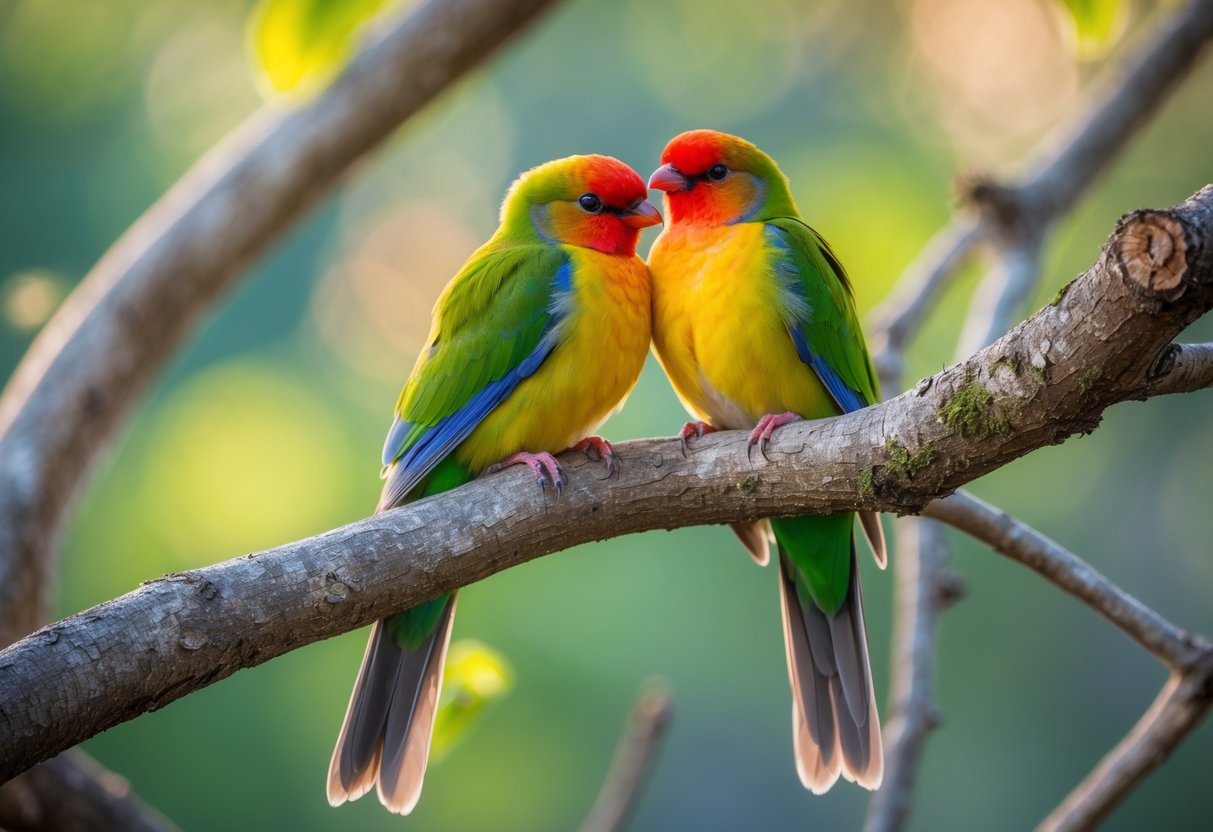
The phrase comes from these small, colorful parrots that actually stick with one partner for life.
When you call a couple love birds, you’re really comparing them to these real-life birds that barely leave each other’s side, groom one another, and share a pretty unique closeness.
People usually use it in a playful or sweet way, especially when a couple just can’t seem to get enough of each other.
Curious about why this nickname fits some couples so well? Or what it really means when someone calls you love birds?
Let’s get into what being called love birds actually says about a relationship, and how you can spot that kind of vibe in your own life.
Why Are Couples Called Love Birds?
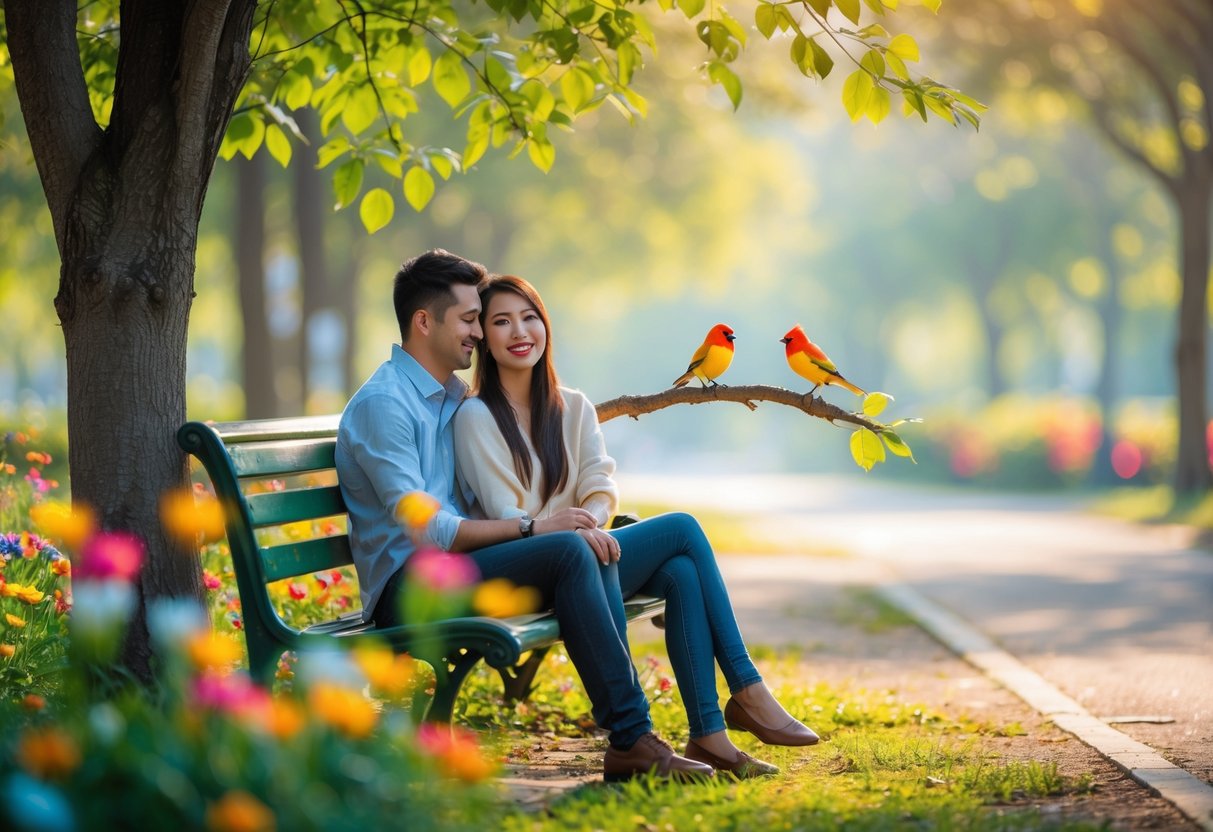
People call couples “love birds” when they’re clearly close and happy together.
This nickname comes from a real bird that’s famous for strong bonds and sweet, loyal behavior.
The story behind the term shows how these birds inspired ideas about love and connection.
Origin and History of the Term
The phrase “love birds” popped up at least as far back as the 1800s.
It probably became popular during the Victorian era, when folks loved using flowery, romantic language to talk about relationships.
Writers and poets started comparing devoted couples to birds that stick together for life.
Real lovebirds are actually small parrots in the genus Agapornis, native to Africa.
These birds live in pairs and show a lot of loyalty to their mates.
People eventually borrowed their name to describe human couples who act the same way—always together, super attached, and kind of adorable.
Lovebirds as a Symbol of Romance
Lovebirds aren’t just any birds; they stand for deep love and long-term commitment.
They bond by grooming each other, sleeping close, and sharing food.
These habits show a strong emotional connection and genuine care, making them perfect symbols of romantic devotion.
Since lovebirds usually pick one partner and stick with them for life, people see them as a symbol of exclusive partnerships.
When you hear someone call a couple “love birds,” you probably picture two people who share a lot of affection, trust, and a close friendship—kind of like the birds themselves.
Why Lovebirds Inspire the Nickname
When couples show affection openly—holding hands, cuddling, always hanging out—it reminds people of how lovebirds act.
Just like the birds, these couples seem to live in their own little world, mostly focused on each other.
Lovebirds inspire this nickname because they’re inseparable and playful.
Spot a couple who’s always together and acting extra loving? It’s easy to call them love birds.
The term just highlights their happiness and strong bond, echoing the way Agapornis birds behave out in the wild.
If you want to dig deeper, check out this article about why people call us love birds.
The Affectionate Behavior of Lovebirds

Lovebirds really show what closeness and care look like.
You’ll see these little parrots spending tons of time with their mates, sharing moments that honestly, a lot of couples could relate to.
Bonding and Social Behavior in Lovebirds
Lovebirds act super social.
They usually live in pairs or small groups and really depend on each other for comfort and safety.
You’ll catch them grooming each other—a behavior called allopreening.
This keeps their feathers tidy and shows they trust one another.
They follow their mate around and rarely spend much time apart.
Their strong bond means they’re always communicating, whether it’s through calls or little movements.
See a couple who’s practically glued together and affectionate? That’s classic lovebird behavior.
Courtship and Cuddling Rituals
When lovebirds court each other, they do some pretty adorable things.
They nuzzle beaks, feed each other mouth-to-mouth, and cuddle side by side.
These actions help them stay close and keep their bond strong.
You might notice these behaviors look a lot like what human couples do—hugging, kissing, sharing little gifts.
For lovebirds, cuddling isn’t just cute; it’s how they show love and keep their connection alive.
Lifelong Mates and Monogamy
Lovebirds usually pick one mate and stick with them for life. They don’t just pair up for a season—they actually stay together, no matter what comes their way.
These birds lean on each other for affection and also team up when raising their chicks. Their loyalty is honestly touching, and it’s no wonder people call devoted couples “lovebirds.”
Curious about why people use that term? You can dive into the details about their close bonds and quirky habits at why people call couples love birds.


