
You can absolutely buy a live seahorse, but it’s a smart move to stick with captive-bred animals from sellers you trust. That way, you’re not harming wild populations, and honestly, it makes care a lot easier. Captive-bred seahorses tend to be healthier and usually already know how to eat frozen foods, which is a huge plus for home aquariums.
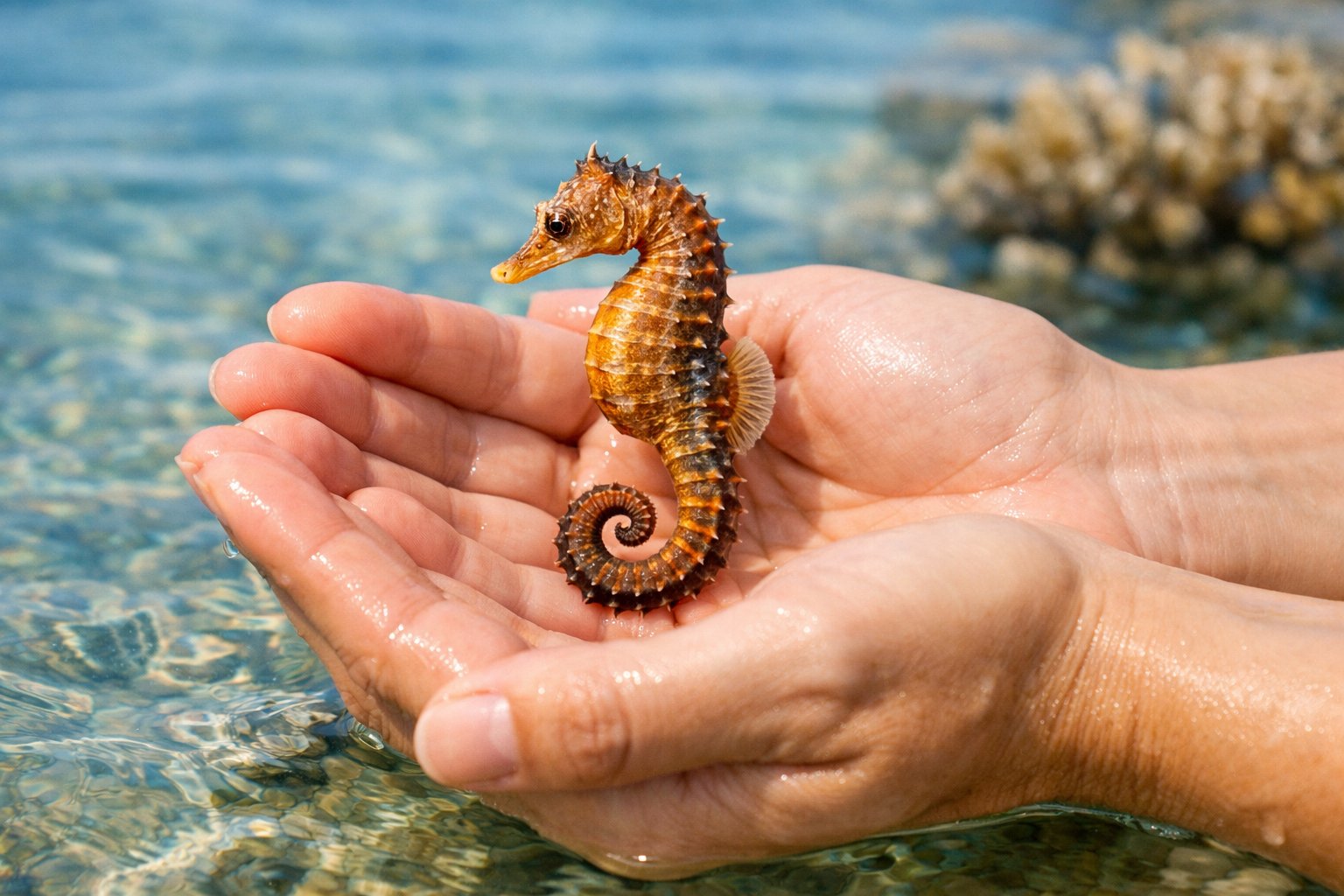
If you’re thinking about keeping seahorses, you’ll need to know where to find them and how to spot trustworthy sellers. You also need to figure out what kind of tank setup and feeding routine works best.
This guide will help you decide if a seahorse really fits your aquarium and give you some practical tips for keeping one healthy.
How and Where to Buy a Live Seahorse

When you buy a seahorse, you have to pick a reputable seller. Decide between captive-bred or wild-caught, choose a species that works for your tank, and pay attention to shipping and live arrival guarantees.
Ask for clear care instructions, a solid return policy, and proof that the animal was raised or collected legally.
Online Retailers and Seahorse Farms
Go for established sellers who focus on seahorses and pipefish. Some good examples are Ocean Rider, Saltwaterfish.com, and Seahorse Savvy. These places usually stock captive-bred animals and list out species, sizes, and what the seahorses eat.
Check if the retailer provides photos, tank requirements, and a proper health guarantee.
Don’t be shy—ask about quarantine and vaccination practices. Find out if the seahorses already eat frozen mysis shrimp.
Read customer reviews, especially about how well the animals survive shipping. Sellers who refuse to ship during extreme weather and use insulated packaging with fast shipping are usually a safer bet.
Captive-Bred vs. Wild-Caught Seahorses
Always choose captive-bred seahorses if you can. Captive-bred animals adapt to aquarium life faster, eat frozen foods more willingly, and bring fewer wild diseases with them.
Most reputable farms and retailers clearly advertise captive-bred stock. Supporting them helps protect wild populations.
Wild-caught seahorses, like some Hippocampus erectus you’ll see online, can be a real challenge. They often need live food and careful acclimation.
Laws and CITES rules can restrict wild seahorse trade, so always ask for documentation if the animal isn’t labeled as captive-bred.
Selecting the Best Seahorse Species
Pick a species that fits your tank size, water temperature, and your feeding habits. Larger species, like Hippocampus erectus, can handle beginner mistakes a bit better and are usually easier to feed than the tiny dwarf seahorses.
Dwarf species need tiny live prey and really suit experienced keepers best.
Check the details for each species—adult size, preferred temperature, and compatibility with other tank mates. If you already have other fish, stick to slow, peaceful species, or maybe just go for a seahorse-only tank.
Ask the seller which species suits your setup and request photos or size info before you buy.
Live Arrival Guarantees and Shipping
Always check the seller’s live arrival guarantee. Read the fine print—some only give you 24–48 hours to report problems after delivery.
Take photos of the package and animal as soon as it arrives, just in case.
Look at shipping schedules so you don’t get a delivery on a weekend or during extreme weather. Good sellers use insulated boxes, heat or cool packs, and fast shipping.
If a seller won’t ship to your area or refuses to offer a live arrival guarantee, it’s probably best to look elsewhere or try to pick up from a local seahorse farm.
Key Considerations for Keeping Live Seahorses
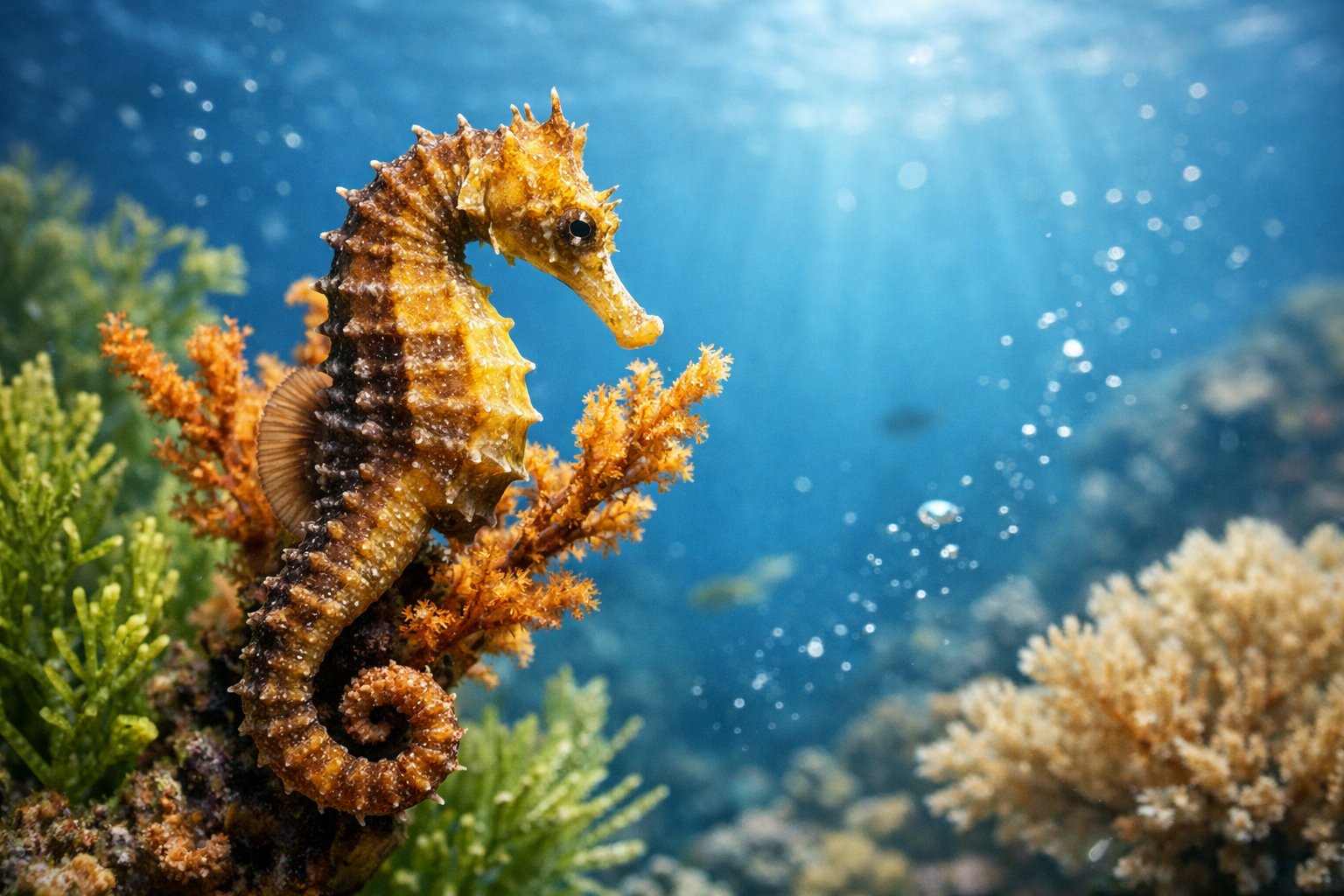
You’ll need a stable tank, reliable food, gentle tankmates, and to make ethical choices. Plan for tall tanks, steady water, regular feeding, and always try to buy captive-bred seahorses.
Tank Requirements and Ideal Habitat
Pick a saltwater tank with plenty of vertical space. Most folks go for at least 30 gallons for a pair, and taller tanks (18 inches or more) give seahorses space for their natural vertical swimming.
Make sure you keep water temperature steady between 72–78°F (22–26°C). You’ll want a reliable heater, thermometer, and filtration that doesn’t create strong currents.
Seahorses really hate strong flow, so use sponge filters or baffle the outlets.
Add lots of hitching posts—macroalgae, seagrass-like plants, and gorgonian branches work great. Live rock brings in tiny critters like copepods and amphipods.
Skip sharp coral or aggressive anemones—those can hurt seahorse tails.
Do regular water changes, about 10–20% weekly. Test for ammonia, nitrite, nitrate, and salinity, and keep nitrate low.
Always quarantine new animals to protect your seahorses from disease.
Feeding and Nutrition Needs
Feed small, nutrient-rich prey—and do it often. Mysis shrimp are the go-to food. Frozen mysis works well if your seahorse eats it.
Adults usually need 2–4 feeds per day. Juveniles and fry need even more frequent meals.
Use thawed mysis shrimp instead of just brine shrimp, since mysis has better nutrition.
Keep some cultured live foods on hand if you can. Copepods and amphipods are great for juveniles and add variety.
Some seahorses eat enriched brine shrimp or prepared feeds, but you’ll want to transition slowly. Gut-load and enrich frozen foods with marine vitamins and fatty acids to keep them healthy.
Feed at the same time and place every day so your seahorses learn where to find food. Clean up any leftovers to keep the water quality up.
Compatible Tankmates and Invertebrates
Stick with peaceful tankmates who won’t outcompete seahorses for food. Small, calm gobies, some pipefish, and a few non-aggressive wrasses can work.
Avoid fast feeders, aggressive fish, or any big predators.
Add a clean-up crew—snails and hermit crabs help with detritus, but pick gentle species that won’t bother seahorse tails.
Many corals and soft gorgonians are fine if they don’t sting or create strong water flow. Definitely avoid anemones and stinging corals that can stress or injure seahorses.
Live rock and macroalgae host copepods and amphipods, which supply extra food and help with fry survival.
Watch your tank closely—if any tankmate steals food or nips, it’s best to remove them.
Ethical and Conservation Considerations
Whenever possible, choose captive-bred, genetically diverse breeding stock. Captive-bred seahorses put less pressure on wild populations and usually do much better in aquariums.
Ask breeders about their practices and check on the lineage to steer clear of inbreeding issues.
Make sure you follow local laws and permits. In a lot of places, CITES regulations cover seahorses, and you might need specific documentation.
Skip wild-caught seahorses unless you know they’re sourced both legally and sustainably.
Support habitat protection and responsible trade when you can. It’s also a good idea to donate to or learn from organizations focused on seagrass bed and coral conservation.
If you breed seahorses, plan ahead for fry care. Offer copepods and small live foods, and don’t release captive animals into the wild.


