
You can keep a seahorse as a pet, though honestly, it takes more effort than your average fish tank. Seahorses need stable water, specific food, and a tank set up just for them, so they’re really best for hobbyists who don’t mind a challenge.

If you’re fascinated by unusual marine life and want to learn some new skills, this guide should help you make smart choices about species, tank setup, and daily care.
You’ll get straightforward advice on which seahorses work best for home aquariums. I’ll also cover how to set up a tank where they can actually thrive.
We’ll look at the real costs, the hurdles, and the rewards of keeping seahorses so you can figure out if they fit your lifestyle.
Seahorse Species and Suitability
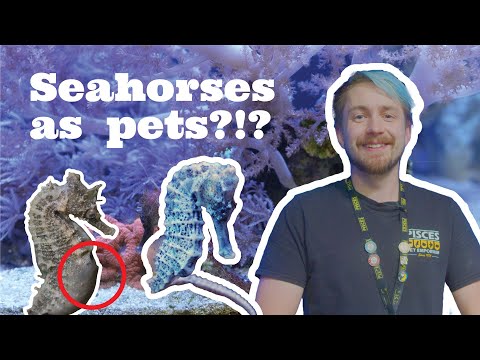
Seahorses come in different sizes and temperaments. Some are hardier than others, and their feeding needs can vary.
Pick a species that matches your tank size and your willingness to mess with live or frozen foods.
Selecting Pet-Friendly Seahorse Species
Go for species that people have already had success with in aquariums. The lined seahorse (Hippocampus erectus) gets recommended a lot because it handles a range of temperatures and doesn’t get too huge for a home tank.
The dwarf seahorse (Hippocampus zosterae) stays tiny, so it fits in smaller setups, but you’ll need to keep the water extra steady and feed them more often.
I’d skip the big or fragile species, like some longsnout seahorses, unless you’ve got a lot of experience. For tank mates, stick with slow, peaceful fish or tiny gobies. Otherwise, faster fish will beat seahorses to the food every time.
Captive-Bred vs. Wild-Caught Seahorses
Always try to buy captive-bred seahorses. They’re usually healthier, already used to frozen or prepared foods, and you won’t be adding to the pressure on wild populations.
Most sellers will tell you if a seahorse was bred in captivity, but don’t be shy—ask them directly.
Wild-caught seahorses often get stressed out from capture and transport. They might carry parasites or need special care to adjust to a tank.
Some species and origins come with their own legal hoops, so check your local laws before you buy anything wild-caught.
Lifespan and Commitment
Depending on the species, seahorses can live anywhere from about 1 to 5 years in captivity. Bigger types tend to live longer than the dwarfs, but really, it all comes down to diet and water quality.
You’ll need to feed them a few times a day—think mysis shrimp or cultured copepods. Stable salinity, temperature, and low nitrates are crucial.
If you’re up for regular feedings, tank cleaning, and maybe even some quarantine routines, you’ll probably do fine. Some seahorses can really thrive with that kind of attention.
If you want to dig deeper into legal or care issues, check out Is It Legal to Own a Seahorse as a Pet: Laws, Permits, and Alternatives (https://thelegalguide.org/is-it-legal-own-seahorse-pet-laws-permits-alternatives/).
Essential Seahorse Care and Aquarium Setup
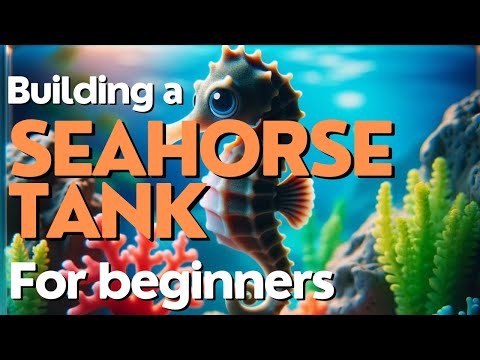
You’ll need stable, clean saltwater, a tall tank with things to latch onto, gentle water flow, and the right tank mates. Keep your testing kits close and plan on regular small water changes—seahorses are delicate.
Aquarium Size and Water Parameters
Shoot for at least a 30-gallon saltwater tank if you want a pair of small seahorses. If you can swing 50 gallons or more, that’s even better for stability.
Pick a tall tank instead of a wide one. Seahorses like to move up and down, and they’ll use the vertical space.
Keep the temperature between 72–77°F using a heater and steady room conditions. Specific gravity should stay at 1.020–1.025, and pH between 8.1–8.4.
Check that ammonia and nitrite stay at zero, and keep nitrate under 20 ppm. Test salinity, pH, ammonia, nitrite, nitrate, and temperature at least once a week with trustworthy kits.
Use RO/DI water mixed with marine salt to avoid unwanted chemicals.
Change 10–20% of the water every week. That helps get rid of waste without shocking your seahorses.
If you set up a tank with live rock, let it cycle and mature before adding seahorses. That way, the biological filter has time to settle in.
Filtration, Water Flow, and Heating
Pick a filter that gives you strong biological filtration but doesn’t suck in your seahorses. Hang-on-back filters with prefilters or canisters with sponge guards usually work well.
Add live rock for natural filtration and to boost good bacteria.
Keep water flow gentle and indirect. Seahorses aren’t great swimmers, so strong currents stress them out.
Try baffles, spray bars, or just point filter outlets at the tank walls to break up the flow. Don’t use powerheads aimed into open water where your seahorses hang out or eat.
Use a reliable heater with a thermostat and a separate thermometer. Place the heater where water movement spreads the heat around.
Some folks use a backup heater or controller just in case. Clean your mechanical filters regularly and swap out chemical media like carbon as the manufacturer suggests.
Decor, Hitching Posts, and Tank Environment
Give your seahorses lots of hitching posts—artificial gorgonians, macroalgae, branching live rock, or soft corals that won’t sting. They’ll wrap their tails around these to rest or feed.
Go with fine sand or even a bare-bottom tank. Both options make it easier to keep things clean compared to coarse gravel.
Arrange live rock to create calm spots and hiding places. Moderate lighting is good enough—seahorses don’t need intense reef lights unless you want to grow corals or macroalgae.
Remove anything sharp that could hurt their skin. Set up a feeding station or shrimp ring so they can find food without competition.
Spot clean under hitching areas to keep food from piling up and messing with your water quality.
Tank Mates and Compatibility
Pick slow, peaceful tank mates that won’t out-compete your seahorses for food. I’d recommend small gobies, cleaner shrimp, or maybe a carefully chosen pipefish that shares similar feeding habits.
Stay away from fast or aggressive fish—tangs, wrasses, and most clownfish just don’t work out. Nosy or fin-nipping species always cause problems, so it’s best to skip them entirely.
Quarantine any new tank mates first. Watch how they eat before you let them join the main tank.
If you want to mix species, make sure everyone eats frozen mysis shrimp or live copepods. Otherwise, feeding gets tricky fast.
Keep the tank lightly stocked. Seahorses need their space and frequent meals.
During those first weeks, pay close attention to how everyone gets along. If you see any animal stressing out or stealing food from your seahorses, it’s time to move them out.


