
Let’s meet the lion as it really is—a living, breathing animal with personality traits you can actually spot if you look close enough. Lions (Panthera leo) have five standout features that shape how they hunt, protect their turf, and raise their young.
In short: the five big traits are strength, courage, social loyalty, leadership, and territorial protectiveness.

You’ll see what each trait looks like in the wild and why these qualities matter for a lion’s survival in the grasslands and savannas. I’ll give you real examples—nothing too fancy—of how pride life and hunting depend just as much on personality as on muscle.
Defining the 5 Core Personality Traits of a Lion
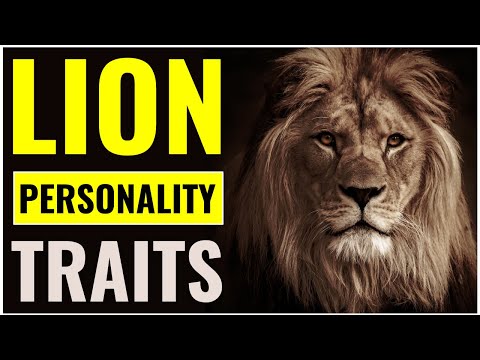
You’ll spot traits that make a lion a leader, a gutsy hunter, and a social but stubbornly independent animal. These show up in how lions act within the pride, how they hunt, and how they deal with trouble.
Leadership and Dominance
You see leadership when lions take charge of the pride’s movements, hunting routines, and defending their ground. Male coalitions and strong females push the group to decisions.
Dominant males mark their territory and roar to warn off rivals, not just to sound cool. They make choices about where to rest, when to move, and which prey to go after.
Females often lead the hunt, especially for medium-sized animals. That’s classic lion leadership in action.
Body language gives it away—upright stance, steady gaze, and that slow, confident walk. You can’t really miss it.
Bravery and Courage
Lions have to face some scary stuff—big prey, nasty rivals. Bravery isn’t just a story; you actually see it when they go after buffalo, stand up to hyenas, or fight off other lions to protect their cubs.
They defend their young, hold their ground, and patrol at night. That’s not just a legend—those are real, gutsy moves.
Their reputation as “king of beasts” comes from these moments, not from fairy tales.
Ambition and Drive
You notice ambition in young males who team up and try to take over a pride. Females show drive when they work together to raise cubs and get better at hunting.
Ambition looks like long chases, repeated stalking, and clever hunting strategies.
It keeps lions sharp—they need to secure territory, find mates, and get enough food for their cubs.
Honestly, it’s that self-starter attitude that helps them thrive.
Social Nature and Loyalty
Lions are surprisingly social for big cats. Loyalty shows up in how pride members stick together.
Females usually stay with their birth pride, forming strong bonds over the years.
They hunt together, share the work of raising cubs, and defend their turf as a team.
You see loyalty in how they care for each other’s cubs and work together to keep the pride safe.
This social side makes them way stronger than if they went it alone.
Independence and Self-Reliance
Even in a group, lions keep their independence. You’ll notice adults spending hours solo, either resting, scouting, or hunting smaller prey by themselves.
Independence helps when the pride splits or food gets scarce.
Young males especially need this trait when they leave to start their own coalitions.
Self-reliance shows in how they hunt, patrol, and deal with getting older or hurt.
It’s a mix—lions are social, but they’re also ready to go it alone if they have to.
How Lion Personality Traits Influence Their Life and Survival
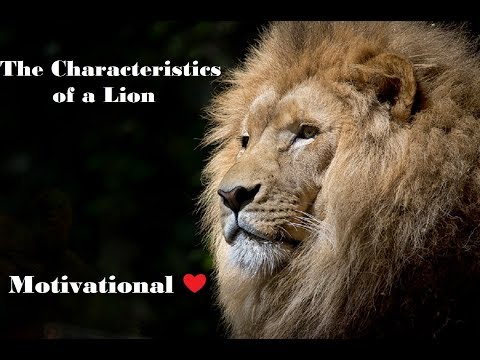
Lions’ personalities shape their everyday lives, relationships, hunting skills, and how they deal with threats. You’ll notice how leadership, loyalty, courage, protectiveness, and adaptability play out in real situations.
Impact on Pride Dynamics
Lion leadership and loyalty decide who calls the shots and who follows. Dominant males defend the turf and mating rights, while related females form the core hunting team.
Older females teach cubs how to hunt and get along through play and practice.
Tight bonds cut down on fights and make it easier to raise cubs together.
African lion prides can have a dozen adults and plenty of cubs.
In places like Gir Forest, smaller groups form because there’s less space and fewer males.
When poaching or habitat loss wipes out key adults, pride stability can fall apart.
New males may kill cubs to bring females into heat, which drops cub survival and shrinks local populations.
Role in Hunting and Protection
Courage and teamwork decide who hunts and who succeeds. Females usually do most of the sneaking and flanking, while others go in for the final charge.
Lions can take down big prey like buffalo or zebra only by working together.
Protectiveness matters too—males roar and patrol to keep out rivals, which keeps cubs safer.
You’ll see similar behaviors in white lions and Asiatic lions, but smaller numbers in Asia mean every loss hits harder.
When wild prey disappears, lions may go after livestock, which causes more conflict with people and raises the risk of poaching.
Adaptation to Habitats and Threats
Lions manage to survive in all kinds of places, from the sweeping African savannas to the tucked-away Gir Forest. Whenever prey changes or people put on the pressure, you’ll spot them shifting their behavior.
Sometimes, lions hunt more at night just to avoid humans. Other times, they trail their prey and end up moving their home range entirely.
But honestly, adaptability only goes so far. Habitat loss breaks up their populations, which chips away at genetic diversity.
That leaves Asiatic lions and smaller groups especially at risk. Poachers and disease can wipe out a whole pride in no time.
If you’re picking up cool lion facts, remember this: their social smarts and tight family bonds help them bounce back—but only if folks protect their homes and keep poaching and conflict in check.


