
Let’s get straight to the point: for most seahorses, you’ll want at least a 30-gallon tank for a pair. If you add more, tack on about 10 gallons for each extra seahorse. Go for a taller tank—18 inches high or more—since stable water and plenty of hitching posts matter way more than just floor space.

Setting things up right from the beginning saves you a lot of headaches (and probably vet bills) down the line.
You’ll see how species, group size, tank height, water flow, and feeding habits all shape what kind of tank you’ll need, plus which features actually keep water steady and seahorses healthy.
Keep this guide nearby as you plan your tank so your seahorses have the space to grab, eat, and just be themselves.
Determining the Right Tank Size for Seahorses
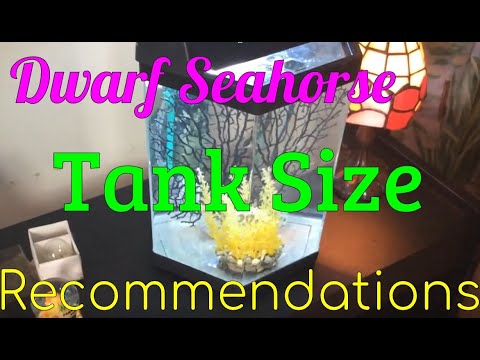
Pick a tank that gives each seahorse enough vertical room and stable water. Focus on species, the number you want, and tank height—don’t just look at total gallons.
Recommended Tank Sizes by Seahorse Species
Different seahorses need different tank sizes. For common ones like Hippocampus erectus (the lined or spotted types), go for at least 30 gallons for a pair. That gives them space to swim and helps keep water chemistry steady.
Dwarf seahorses (Hippocampus zosterae) stay tiny but still need some space. One dwarf does fine in a 10–20 gallon setup, as long as you pack in hitching spots and microfauna. Never use tiny bowls or cram too many in.
Larger types like tiger-tail seahorses or other big Hippocampus species need 40+ gallons for a pair. Add 10 gallons for each extra adult so you reduce stress and keep water quality up.
Surface Area and Tank Dimensions
Seahorses feed at the surface and really want vertical space. A tall tank (18–24 inches high) supports their natural posture and lets them swim up and down. Still, width and length matter—go for a decent surface area to allow feeding.
Surface area affects oxygen and how many seahorses your tank can handle. A longer tank (think 30–36 inches for a 30–40 gallon) usually works out better than a shallow, wide one.
If you plan to add a refugium or a lot of live rock, remember that’ll take up some water volume. Measure the inside before buying decorations so you keep that tall, open water column they need.
Factors That Influence Tank Size Selection
The number of seahorses changes things fast. A pair needs more than a single, and a trio needs even more. Groups want space to split up and avoid fighting over food.
Filtration and flow play a big role. Seahorses like gentle currents; a bigger tank with solid filtration keeps water steady without blasting them. Consider adding a sump or protein skimmer for better water in smaller tanks.
Your tankmates, live rock, and plants all affect space and the bioload. Peaceful gobies or pipefish usually work, but aggressive or fast eaters stress out seahorses. Plan for adult size—many Hippocampus types reach 5–8 inches—so pick a tank that fits them as they grow.
Important Tank Features and Care Requirements

Keep the water super clean, add plenty of gentle spots for tails to grab, pick peaceful tank mates, and feed small, nutritious foods often.
Watch salinity, temperature, ammonia, nitrite, and nitrate closely. Keep a separate hospital tank ready for any sick seahorse.
Filtration and Water Quality Needs
Choose a filter that keeps water clean but doesn’t blast your seahorses around. Gentle flow works best—a hang-on-back filter with adjustable output or a canister with a spray bar does the trick. Use a mix of mechanical, chemical, and biological media. Live rock helps with biological filtration and brings in microfauna like copepods.
Check these levels daily or at least weekly: ammonia 0 ppm, nitrite 0 ppm, nitrate under 20 ppm, salinity 1.020–1.025, and temperature 72–77°F (22–25°C). Use RO/DI water mixed with marine salt to dodge contaminants. Change out 10–20% of the water every week and vacuum the substrate so waste doesn’t build up.
A protein skimmer helps remove dissolved organics, and a refugium with Chaetomorpha or Gracilaria can drop nitrates and host copepods. Always screen filter intakes so your seahorses don’t get sucked in.
Hitching Posts and Aquascaping
Seahorses need lots of stable places to grab with their tails. Add artificial corals, gorgonians, or branching decorations at different heights. Live rock creates crevices and supports sponges and copepods for natural food.
Keep strong currents away from hitching spots. Set up decorations so water moves around, not through, their resting areas. Fine sand or bare bottoms make cleaning easier. If you add macroalgae, go for slow growers and trim often; Chaetomorpha or Gracilaria are safer than Caulerpa for water quality.
Set up a feeding station near a hitching post so seahorses can eat without chasing food. Give them hiding spots and make sure you can still reach everywhere for maintenance.
Tank Mates and Compatibility
Pick tank mates that won’t outcompete or nip at seahorses. Pipefish, small gobies, and some cleaner shrimp usually work well. Avoid fast, pushy species like tangs, wrasses, or big clownfish. Stay away from corals that need strong flow or are aggressive feeders.
Buy captive-bred seahorses and compatible species from good sources to lower disease risk. Quarantine new arrivals in a separate tank to watch for parasites or feeding issues. Keep a hospital tank on standby for illness or injury. Watch how everyone acts—seahorses move slow and might get bullied or miss out on food if housed with quick eaters.
Match water needs for all your tank’s residents—don’t mix species that need totally different salinity or temperature.
Feeding and Maintenance Tips
Feed small, nutritious meals two or three times a day. I usually stick with frozen mysis shrimp as the main food, but for juveniles, I like to add some enriched baby brine shrimp or rotifers.
Always thaw and rinse frozen mysis before feeding to get rid of preservatives. You might want to try gut-loading or adding vitamins to boost their nutrition—honestly, it seems to make a difference.
A feeding station really helps seahorses find their food. After about 20–30 minutes, scoop out any uneaten food to keep ammonia in check.
Watch their body condition and behavior closely. If you notice weight loss or they stop hunting, it could mean they’re sick.
I keep live copepods or other small live foods handy, just in case I run into a picky eater—wild-caught seahorses especially can be tricky.
Check water chemistry and your skimmer regularly. It’s smart to keep spare parts, salt mix, and test kits close by.
If you spot signs of disease, move the seahorse to a hospital tank and try to reduce any stress in the main tank.


