
Ever wonder why people turn to seahorses for health remedies? Seahorses show up in traditional medicine because folks believe they help with things like coughs, low energy, and sexual weakness. Practitioners toss them into tonic formulas to give the body a boost. These beliefs come from old traditions and the way seahorses get described in medicinal texts.
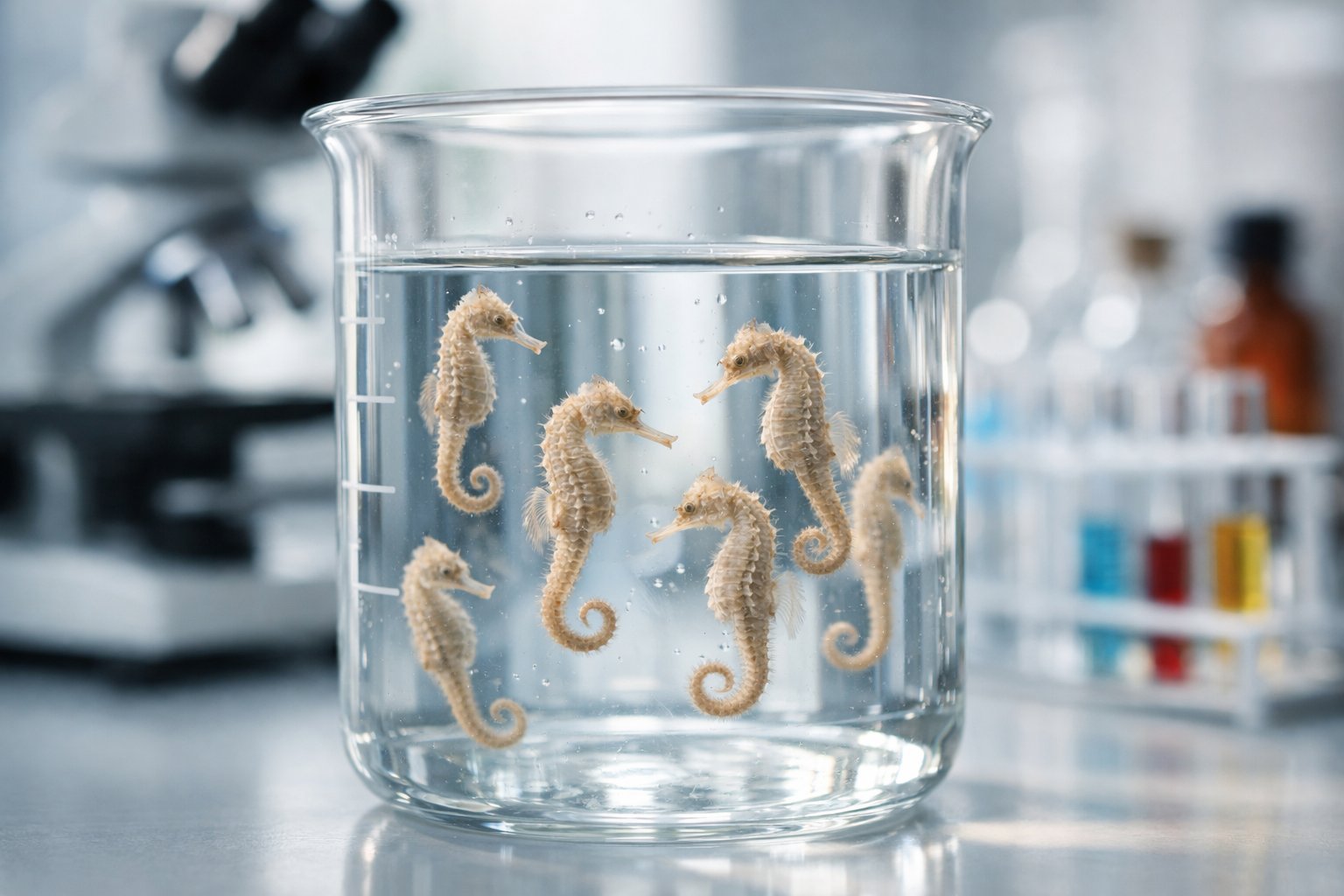
As you read on, you’ll see how people use seahorses in Traditional Chinese Medicine, what kinds of remedies they show up in, and why some still value them even though there’s not much hard science behind it.
You’ll also see why this matters for seahorse populations and what conservation headaches come with all that trade and demand.
Medicinal Uses and Practices in Traditional Medicine
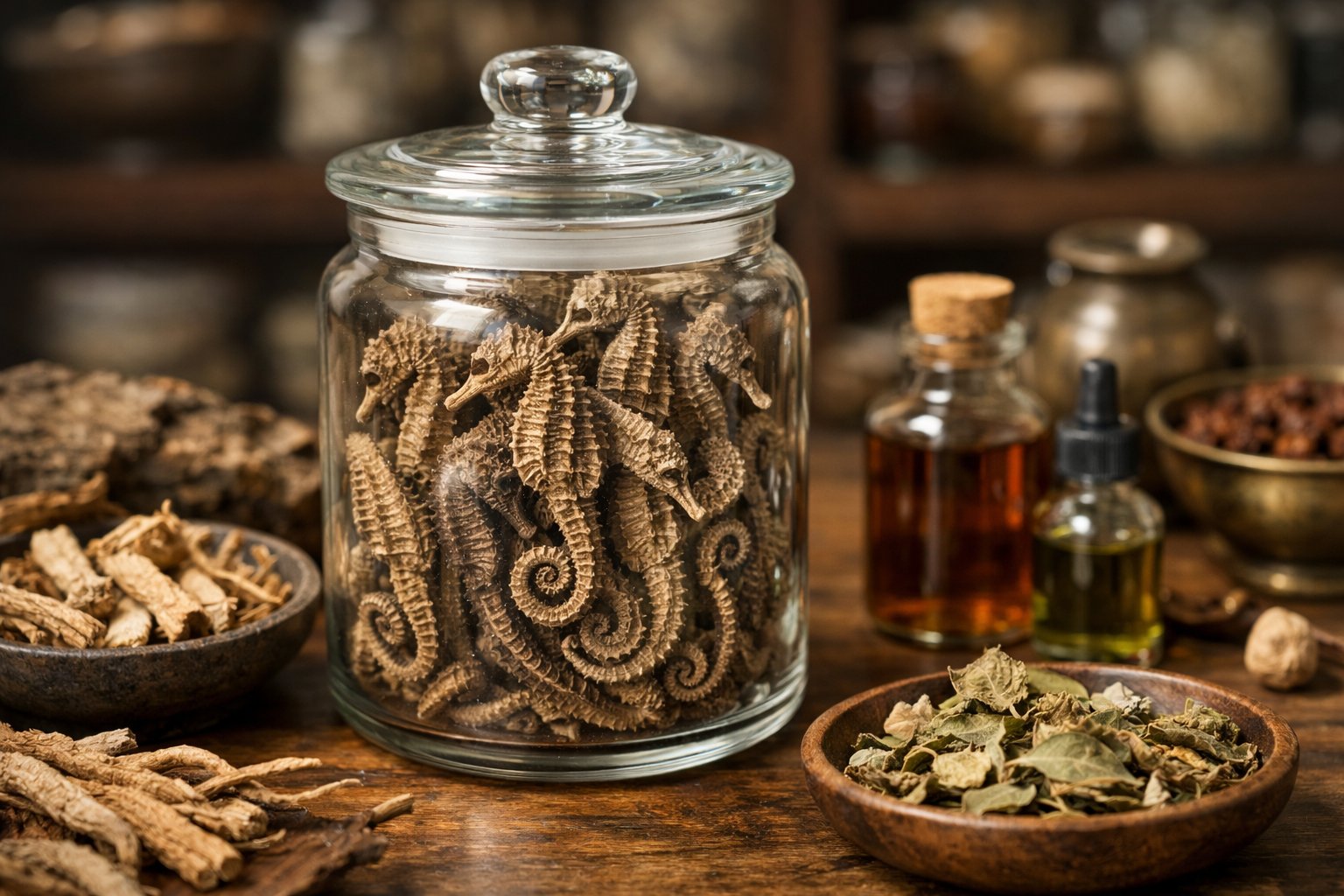
People use seahorses in lots of remedies because they think dried seahorses bring strength and vitality. Practitioners pick certain species, like Hippocampus kuda, and prepare them in specific ways to treat all sorts of issues.
Therapeutic Beliefs and TCM Applications
In Traditional Chinese Medicine (TCM), you’ll spot dried seahorse used as a tonic to “tonify the kidney” and boost yang energy. Practitioners claim seahorse has warming properties and helps with sexual weakness or low energy.
Medicinal texts usually list seahorses with other animal tonics, not as a go-to cure. Sometimes, people include seahorse in formulas for respiratory problems too.
Some regional uses mix dried seahorse with herbs for asthma, coughs, or shortness of breath. Conservation groups like Project Seahorse keep pointing out how TCM uses seahorses in both mainland China and Hong Kong.
Preparation and Consumption Methods
You’ll find dried seahorses sold whole, powdered, or as part of pills and broths. Sometimes they get boiled in soups, soaked in medicinal wine, or ground up and mixed with honey or herbal pastes.
Most recipes just use a little—usually a few grams, not big handfuls. Practitioners try to pull out the “essence” by decocting dried seahorse with warming herbs or soaking it in alcohol to make tonic wine.
Sometimes the powder goes into pills or gets added to pastes for skin or joint issues.
Ailments Treated With Seahorses
You’ll see dried seahorse used a lot for sexual dysfunction and impotence in men. TCM texts and field reports mention it for low libido, erectile problems, and fatigue linked to “kidney yang” issues.
Practitioners sometimes use it for urinary incontinence and frequent urination. Respiratory uses include chronic cough, asthma, and breathlessness, especially when mixed with lung-supporting herbs.
Other uses pop up too, like arthritis and joint pain when applied as a paste, or even for circulatory complaints in some old-school formulas. How people use it can really depend on the region and the practitioner.
Modern Research and Bioactive Compounds
Researchers keep digging into seahorse tissues, looking for peptides, amino acids, and minerals that might support traditional claims. Some lab studies have found bioactive compounds with anti-inflammatory or antioxidant effects.
Still, evidence in humans is thin. Honestly, it makes sense to treat most claims as unproven until clinical trials actually show safety and benefit.
Conservation reviews point out that TCM uses a ton of seahorses, with big annual wild harvests. If you’re thinking about seahorse products, check regulations and look for alternatives with some real clinical backing.
Curious about the bigger picture? You can read about traditional uses and conservation issues at Project Seahorse (https://projectseahorse.org/resource/marine-species-in-traditional-medicine/).
Sustainability, Trade, and Conservation
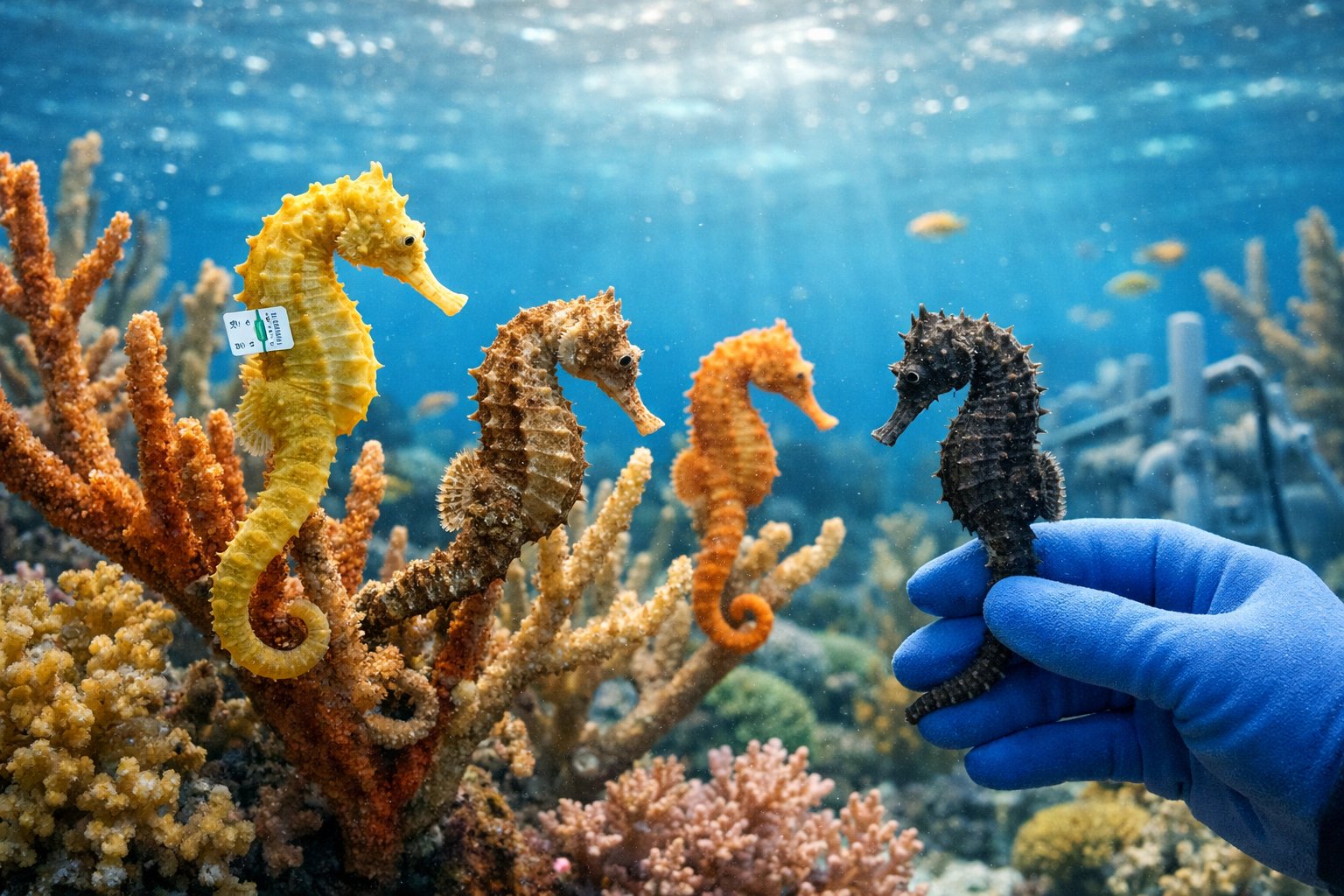
Seahorses face heavy demand—not just for medicine, but also for aquariums and souvenirs. Stronger rules, better fishing, and captive breeding all aim to keep species and their habitats around.
Traditional Medicine Trade and Global Demand
Most seahorses in traditional medicine end up dried and sold in Asian markets. People believe they help with things like asthma and impotence, so China and nearby countries drive a lot of the demand.
This market usually wants whole dried seahorses. That means fishers pull big numbers from the wild.
The trade can be legal or illegal. Smugglers sometimes hide seahorses in cargo or mixed shipments.
You can actually help by picking alternatives and asking sellers where their stuff comes from. Smarter choices put less pressure on wild populations and nudge sellers toward sustainable or farmed options.
Seahorse Species and Trade Regulations
All Hippocampus species sit under international trade rules. CITES Appendix II requires permits for exports and tries to keep trade sustainable for the whole Syngnathidae family.
Some countries add extra protections for species like Hippocampus guttulatus or H. erectus. Permits only get issued if the export won’t hurt wild populations.
Certain nations even ban exports for some species or set size limits. If you’re buying preserved seahorses or aquarium pets, check for permits and real seller records.
That way, you avoid supporting illegal trade and help keep things above board.
Overfishing and Population Decline
Habitat loss and bycatch make things worse for seahorses, not just direct harvesting. Seahorses cling to seagrass, mangroves, and coral—places that keep shrinking from pollution and development.
Fishers catch seahorses with nets and trawls meant for other species. Since seahorses don’t survive well in captivity, the live trade often relies on wild capture, which ramps up the pressure.
Local populations can drop fast because many seahorse species have small ranges and aren’t super common. Your choices—like avoiding unsustainable aquarium buys and backing habitat protection—really can make a difference.
Conservation Initiatives and Alternatives
You’ll spot several groups out there trying to protect seahorses. Some teams run surveys, push for new marine protected areas, and give advice on how to cut down bycatch.
They focus on bringing back seagrass beds and saving mangroves. It’s a lot of work, but honestly, it feels necessary.
Captive breeding programs sometimes supply aquarium markets, and when done right, they help cut down on wild-caught seahorses. Certification and trade monitoring under CITES let people track shipments and beef up enforcement.
If you support community-based management, local fishers actually get a shot at sustainable income. They see real benefits when they protect seahorse habitats.
Try choosing aquariums that use captive-bred animals. Backing groups that work on seahorse conservation? That can really make a difference.


