
You might think lion cubs would sound like tiny house cats, but honestly, they don’t make the same meow you hear from your pet. Lion cubs have their own set of calls—mews, purrs, growls, and some early, clumsy roars—but not that classic “meow” you’d expect from a domestic cat. So, if you’re hoping to recognize a baby lion’s voice, you’ll need to listen for something a bit different.

Ever wonder why their sounds are so different? Anatomy and pride life really shape those calls. Lion cub noises help them find their mom, signal when they’re upset, and start learning the roar that grown lions are famous for.
Can Lion Cubs Meow? The Truth About Lion Cub Vocalizations

Lion cubs definitely make soft, high-pitched calls to grab attention, but those sounds don’t match a house cat’s “meow.” Here’s what you’ll notice: cub sounds have their own patterns, and each type helps their mothers care for them in different ways.
How Lion Cub Meows Differ from Domestic Cat Meows
Lion cub “mews” sound higher and shorter than an adult lion’s roar. Still, they don’t have the same up-and-down “meow” you hear from a house cat.
Lion cub calls work best over short distances, like inside a den or thick grass. They care more about being clear than being cute.
Anatomy matters a lot here. Lions have a partly ossified hyoid bone and much larger vocal folds than house cats. As a result, their sounds are built for power and distance, not for chatting with humans.
Young cubs can squeak, bleat, and make mew-like noises, but the frequency patterns don’t match a domestic cat’s meow. Researchers and field biologists have noticed that lion moms can pick out their own cubs by these subtle differences in sound—not by anything that sounds like a pet’s meow.
Typical Sounds Made by Lion Cubs
Lion cubs stick to a handful of vocal signals: soft mews or bleats, little growls, purrs during nursing, and some early, breathy roars as they get older.
Each sound has a job. You’ll hear them during feeding, play, or when a cub feels distressed.
- Mews/bleats: high-pitched and urgent, especially when a cub is lost or hungry.
- Purrs: those gentle, steady vibrations you’ll catch during nursing or grooming.
- Growls: quick, low sounds—sometimes during play or as a warning to siblings.
- Early roars: these start out weak and breathy, but get stronger as cubs grow.
Pitch and duration vary. If you check out field notes, you’ll see cub calls labeled as “mews” or “bleats,” which are softer and more urgent than the full-on roars of adult lions.
Role of Lion Cub Sounds in Mother-Cub Communication
Cub calls help mothers spot and identify each cub, even in tall grass or inside a den. Lion moms react fast to separation calls, rushing over to reunite or move their litter.
Every cub has a slightly different call. Moms use those differences to tell their kids apart from other pride members.
Calls send clear messages. A short mew might mean “I’m hungry,” while urgent, repeated bleats shout “I’m in trouble!” During nursing, purrs and soft calls help strengthen the bond and keep the cubs calm.
As cubs start to practice growls and weak roars, mothers pay attention. They use those sounds to judge a cub’s development and decide when to let them join in with the rest of the pride.
If you want more details or feel curious, check out research and field notes on lion vocal behavior at The Institute for Environmental Research (https://iere.org/can-baby-lions-meow/).
What Makes Lion Vocalizations Unique?
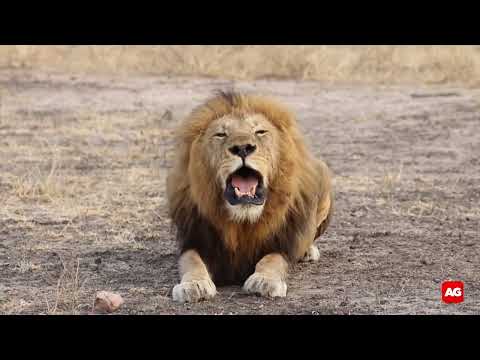
Lions rely on their voice, throat structure, and body size to make sounds that travel far and work for group life. Their calls fit the pride’s needs—long-distance roars, close-up purrs, and those softer cub mews that get attention fast.
Anatomy Behind Lion and Cat Vocalizations
Take a look at their throats. Both lions and house cats belong to the felidae family, so they share some basic larynx and vocal-fold features.
Lions have much bigger vocal folds and a larger larynx. That lets them push more air and create deeper, louder sounds. Size shapes the resonance, so their calls carry farther.
Different muscles and airflow create different sounds. Short, high notes like a cat’s meow need quick tension changes in small vocal folds. Lions, on the other hand, make long, powerful tones by holding air and slowly vibrating those larger folds.
Differences in Hyoid Bones and Vocal Cords
The hyoid bone controls how much the larynx can move. House cats have a flexible hyoid bone, which helps them make those clear, high meows you hear at home.
That flexibility lets cats jump between pitches and get your attention. Lions—and other roaring big cats—have a partly ossified hyoid. This makes their larynx more stable for roaring, but it limits those quick, high-pitched meows.
Their vocal cords are thicker and longer too, which drops the pitch. So, lions end up with deep roars and moans, not the quick meows you hear from kittens.
Roars, Moans, and Other Lion Sounds Compared
You’ll hear all sorts of lion sounds, each with its own purpose and range. A lion’s roar? It’s loud, deep, and honestly kind of bone-shaking.
Lions use roars to mark territory and keep their pride together. These roars can travel for kilometers if the weather’s right.
For closer conversations, lions switch to moans and grunts. You’ll usually hear these when they greet each other or when a mother interacts with her cubs.
Cubs have their own set of sounds. They let out soft, high-pitched mews or little whines when they want their mom’s attention. Sure, it’s not exactly a housecat meow, but you get the idea—it works.
You might also catch lions hissing, growling, or even purring. They tend to purr during grooming or when they’re snuggled up close, while growls send a clear warning or show they’re not happy.
Curious what all this actually sounds like? Take a look at this write-up on lion vocalizations and communication to hear some real examples and see how these sounds fit into pride life.


