
Ever wondered if you could keep a frog as a pet? Honestly, you can—but you’ll need to plan a bit to keep your frog healthy and happy.
Not all frogs are alike. Different species have their own quirks and needs, so you’ll want to dig into what your specific frog requires.
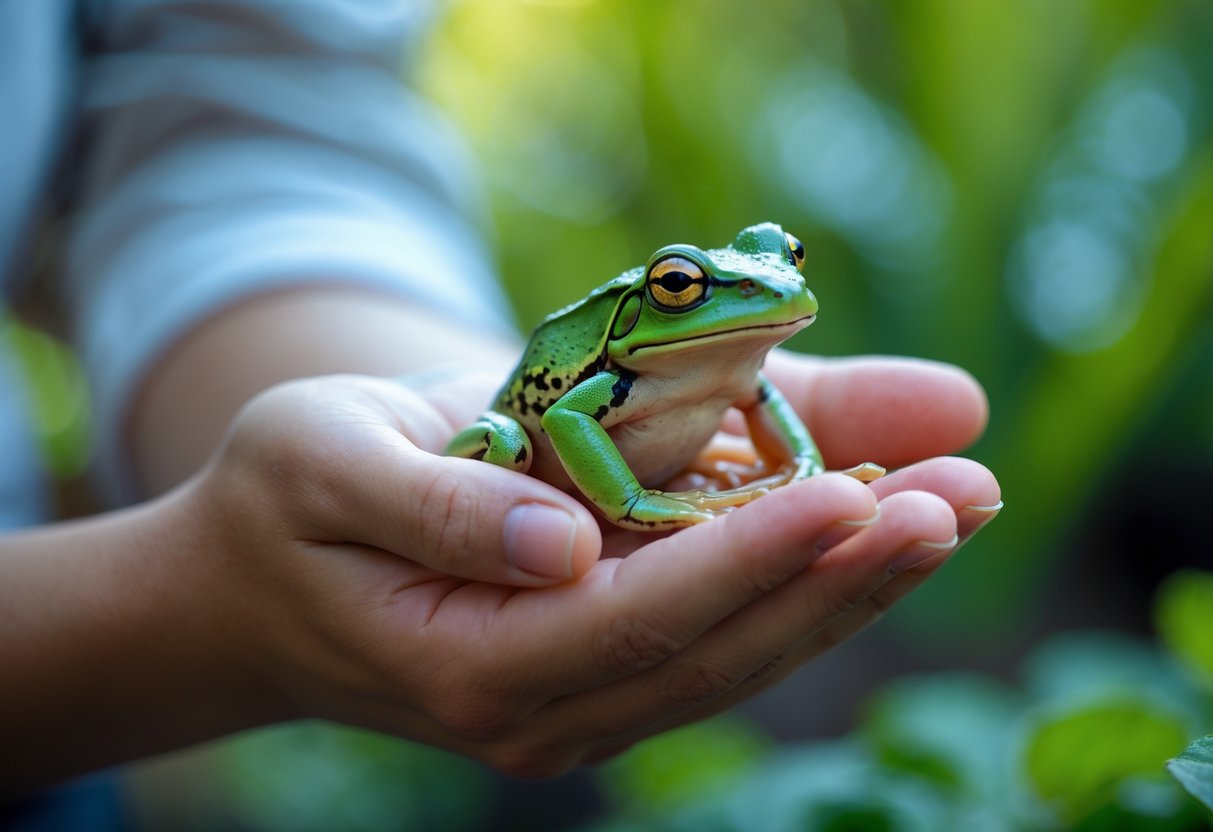
Frogs make pretty fascinating pets, and they don’t demand the same constant attention as a dog or cat. Still, you’ll need the right tank, good food, and regular cleaning to keep them comfy.
If you’re curious about what it takes, you might find frog-keeping surprisingly rewarding.
Before you bring a frog home, get familiar with the basics: care, housing, and diet. These details matter if you want to avoid rookie mistakes and actually enjoy watching your pet thrive.
So, does a frog fit your lifestyle? Let’s see.
Is It Possible to Keep a Frog as a Pet?

You can absolutely keep a frog as a pet, but you’ll need to know what you’re getting into. From picking the right species to understanding the rules and choosing between wild or captive-bred frogs, there’s a lot to think about.
Key Considerations Before Getting a Pet Frog
First, look at the space your frog will need. Frogs like enclosures that feel like their natural homes, with the right humidity, temperature, and places to hide.
Grab a thermometer, a hygrometer, and maybe some UVB lighting, depending on your frog.
Frog diets aren’t all the same. Most eat live bugs, but some need special foods or extra supplements.
Try not to handle your frog much—those little guys have sensitive skin and get stressed out easily.
You’ll have to clean the habitat often to keep your frog healthy. Make sure you check what your particular frog species needs so you can give it the best care possible.
Ethical and Legal Aspects of Keeping Frogs
Check your local laws before you get a frog. Some places ban certain frogs or set rules for owning amphibians.
This isn’t just red tape—it actually helps protect wild frogs and stops invasive species from causing problems.
Think about the ethics, too. Don’t take wild frogs from their homes; it can mess up local ecosystems.
Go for captive-bred frogs instead. That way, you support responsible pet ownership and help conservation efforts.
If you care about your frog’s welfare, make sure you give it a habitat that meets its needs and avoid causing harm with poor care.
Wild vs. Captive-Bred Frogs
Wild frogs come with challenges you probably don’t want. Their diets and environments are tough to copy, and they can stress out easily.
Catching wild frogs can also spread diseases to your pet or local wildlife.
Captive-bred frogs grow up in controlled settings, so they’re usually healthier and adapt to home life way better.
They’re less likely to carry nasty diseases, too.
When you’re ready to get a frog, buy from a good breeder or a reputable pet shop.
Ask if the frog was captive-bred. That simple question helps both you and frogs in the wild.
For more info on proper care, check out this guide: Can You Keep A Frog As A Pet.
Choosing and Caring for Your Pet Frog

Caring for a frog means picking a species that fits your life, setting up a good home, feeding it right, and watching for health issues.
Each frog has its own needs for space, water, temperature, and food. If you know these details, you’ll help your frog stay happy and safe.
Selecting the Right Frog Species
Start by figuring out which frog matches your experience and living space.
Smaller frogs like the African dwarf frog or white’s tree frog work well for beginners. They don’t need much room and their care is pretty simple.
If you want something bigger and a bit more interactive, maybe try a pacman frog or African bullfrog.
Some frogs love to climb, like the red-eyed tree frog and Amazon milk frog. These need vertical space and branches or plants.
Semi-aquatic frogs, such as the oriental fire-bellied toad, need both water and land in their tanks.
If you’re new to frogs, maybe skip poison dart frogs for now—they’re a bit tricky with humidity and diet.
Research your chosen species before you buy. That way, you’ll know if you can really meet their needs.
Proper Habitat and Enclosure Setup
Your frog’s home depends on its type: aquatic, semi-aquatic, or land-loving.
African clawed frogs and dwarf frogs live in water, so set up an aquarium with clean, filtered water.
Keep the water at the right temperature and use a filter to keep things fresh.
Semi-aquatic frogs like pacman frogs need both water and dry land. Give them a few inches of water and a spot to climb or rest.
For tree frogs and other land species, use a moist substrate like coconut fiber or moss.
Control the temperature with a heat lamp or an under-tank heater.
A humidity gauge will help you keep things moist—usually between 50% and 80%, depending on your frog.
Add some plants, rocks, and hides to give your frog places to explore and feel secure.
Diet and Feeding Needs
Most adult frogs eat live insects—crickets, mealworms, earthworms—stuff like that.
Smaller species, like African dwarf frogs, might eat tiny shrimp or bloodworms.
Big frogs, such as pacman frogs, can even eat pinky mice now and then.
Keep the prey smaller than the space between your frog’s eyes so they don’t choke.
Wild frogs sometimes eat snails or little fish, so you can mix things up for variety.
If you’re raising tadpoles, feed them plant matter or algae until they grow up.
Dust your frog’s food with calcium powder to help prevent bone problems.
Feed your frog two or three times a week and watch them eat to catch any issues early.
Health Issues and Veterinary Care
Frogs usually hide when they’re sick, so it’s a good idea to check on them often. They can face issues like metabolic bone disease, fungal infections, parasites, or just plain dehydration.
If your frog seems sluggish, stops eating, or its skin looks weird, don’t wait—find an amphibian vet as soon as you can.
Try to track down a vet who knows frogs for yearly checkups and when emergencies pop up. Honestly, keeping the enclosure clean and making sure the temperature and humidity stay in the right range goes a long way toward keeping your frog healthy.
If you end up with a rescued frog or one you inherited, and you have no clue about its species or health history, reach out to an expert vet. They’ll help you figure out what’s going on and how to care for your new buddy.


