
Ever thought about keeping a seahorse at home? You actually can, but it depends a lot on your location and how much you’re willing to invest—both time and money. If your local laws give you the green light and you put together the right tank and feeding routine, seahorses can do pretty well in captivity. They just need a lot of specialized care and consistent attention.

Let’s dig into whether you’re even allowed to own a seahorse where you live, what permits you might need, and what it actually takes to keep these delicate little creatures healthy. There’s a lot that makes seahorses different from your average fish.
Can I Get a Seahorse as a Pet? Legality and Essential Considerations

Before you get a seahorse, check your local laws, make sure you’re buying from ethical sources, and be ready for some hefty setup and maintenance costs. Every choice you make here matters for your seahorse’s health and your own chances of success.
Legal Requirements and Permits
Laws can change from country to country, state to state, and even city to city. Some seahorse species have legal protection, so you might need permits to own, import, or keep them. Call your local wildlife or fisheries agency to figure out what paperwork you’ll need and how to get it.
In the United States, you might need permits, proof that your seahorse was captive-bred, or you might run into restrictions on certain species. If you’re thinking about importing, CITES rules could apply, and that means even more paperwork and maybe inspections.
Keep all your receipts, breeder details, and any permits in a safe spot. Breaking the rules can get you fined, your seahorse taken away, or even charged with a crime. Definitely check the legal stuff before you buy—nobody wants to end up with a pet they can’t keep.
Ethical Sourcing: Wild-Caught vs Captive-Bred
Whenever you can, go for captive-bred seahorses. They’re usually way better at handling aquarium life, they’ll eat frozen or cultured foods sooner, and you won’t be hurting wild populations.
Wild-caught seahorses might seem cheaper, but they often don’t handle the stress well, get sick more easily, and honestly, a lot don’t survive long. Plus, buying wild-caught ones can damage local ecosystems. Always ask sellers for proof your seahorse was captive-bred, and get the breeder’s name if you can.
Stick with breeders or shops that can actually show you their breeding records, tank setups, and how they ship the animals. If you end up considering wild-caught (which isn’t ideal), make sure you quarantine them and get a vet check. Try to avoid any species that are threatened.
Initial Ownership Commitment and Cost
Be ready to spend a good chunk of money up front, and keep spending as you go. You’ll need at least a 30-gallon tank for most species, a solid filtration system, a protein skimmer, a heater or even a chiller to keep temps around 72–75°F, and plenty of places for your seahorses to hitch onto. Depending on what you buy, setup can cost anywhere from $1,000 to several thousand.
Ongoing costs add up too—food (live or frozen mysis shrimp), regular water tests, replacement filters, higher electricity bills, and maybe vet visits if something goes wrong. You’ll need to feed your seahorses small meals a couple times a day, and do weekly water changes.
Don’t forget about extras: quarantine tanks, live-food cultures, and maybe even calling in a pro if your seahorse gets sick. Seahorses really do need steady care, so make sure you’re ready for both the cost and the commitment.
Care and Setup for Keeping Seahorses as Pets
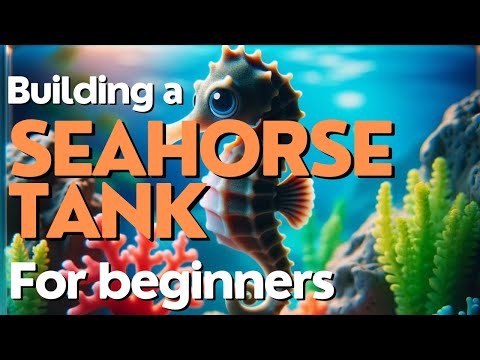
You’ll need a stable tank, gentle water flow, and a steady supply of the right foods—live or frozen. Make a plan for health checks and quarantine. Choose a species that fits your space and experience, set up plenty of hitching spots, and use a filter that won’t suck up their tiny mouths.
Choosing a Suitable Seahorse Species
Pick a species that fits your tank and your level of experience. Dwarf seahorses (Hippocampus zosterae) work well in small, established nano reefs, especially if you can feed them live copepods. Lined seahorses (Hippocampus erectus) and other common types need bigger tanks—think 30 to 50 gallons per pair—and calm water. Larger species like Hippocampus kuda need even more space and responsible adult caretakers.
Again, captive-bred seahorses are the way to go. They’ll adapt to frozen mysis shrimp much more easily than wild-caught ones. Keep tankmates peaceful; gentle gobies or soft corals that offer hitching spots are good options. If you’re interested in breeding, know that some species breed readily in captivity, which can change what you’ll need long-term.
Seahorse Tank Setup and Filtration
Match your aquarium size to the species and how many seahorses you want. For a pair of lined seahorses, shoot for at least 30–50 gallons. Dwarf seahorses can do fine in a 10–20 gallon tall tank, but only if the water stays very stable. Keep salinity at 1.020–1.025 and temps between 72–78°F for temperate species. Tropical species might prefer it a touch warmer.
Go for gentle filtration—hang-on-back filters with sponge prefilters or a low-flow canister with a sponge guard usually work best. Skip the strong powerheads; you want water movement, not a hurricane. Add plenty of hitching posts: live rock, macroalgae, and fake gorgonians all give seahorses something to grab. Quarantine new arrivals for at least 4–6 weeks in a hospital tank, and check your water daily when you’re first setting up.
Seahorse Food and Feeding Methods
Feed your seahorses small, nutrient-rich foods often. Most pet seahorses thrive on frozen mysis shrimp. Offer thawed, enriched frozen mysis two or three times a day for adults; younger seahorses might need four to six feedings. Dwarf seahorses usually need live copepods or enriched baby brine shrimp before they’ll switch to frozen.
Try target-feeding or use feeding rings to keep food in one spot and cut down on competition. You can even train your seahorses to eat from forceps—it makes portioning a lot easier. Mix up your frozen mysis brands and enrich with marine flake or oil supplements for extra fatty acids. Avoid feeding only brine shrimp for long; they just don’t have the nutrients adult seahorses need unless you enrich them.
Health, Disease Prevention, and Vet Care
Keep an eye out for signs like loss of appetite, rapid breathing, or weird buoyancy. Sometimes, you’ll notice gas bubble disease—look for floating issues or bubbles under the skin.
If you spot those, jump in and fix the water quality right away. Use vet-recommended procedures to treat the problem.
Always quarantine new stock. If you see parasites, treat them before adding anyone to the main tank.
Write down water test results and try to do a 10–20% water change every week. That helps stop nitrates from building up.
If your seahorses get really sick or just won’t get better, don’t wait—find a vet who knows fish or invertebrates.
Feed them well and keep stress low. That goes a long way to keep them healthy, and honestly, it makes breeding attempts way smoother when you get to that point.


