
You might assume a Greek god owned a lion, but honestly, this story is really about a hero who wore one. Heracles defeated the terrifying Nemean Lion and made its hide into a cloak—so the lion usually gets linked to him, not to any god as a pet or companion.

Let’s get into where the lion came from, why gods like Hera show up in its backstory, and how that hunt became Heracles’ first labor.
There are some strange versions of the myth, and the pelt stuck around as a symbol of strength for ages.
Watch for the ways the lion connects with gods, monsters, and the rise of Heracles’ legend—these details help explain why this beast mattered so much in ancient stories and art.
The Nemean Lion and Its Divine Origins
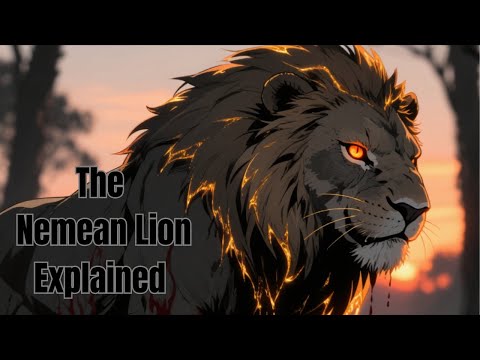
The Nemean Lion shows up in myths as a massive, nearly invulnerable beast, and it’s tied to gods and monsters. Here’s a look at where it came from, how Hera fits in, and what lions meant to the Greeks.
Parentage and Mythological Lineage
Ancient sources can’t agree about the lion’s parents, and honestly, it gets confusing. Some say Typhon and Echidna spawned it, which puts the lion in the same monstrous family as Hydra and Cerberus.
That family background makes the Nemean Lion just one of many monsters that Greek heroes had to face.
Other stories claim Zeus and the moon goddess Selene created the lion, which gives it a more divine origin. Some even say it fell from the moon—wild, right?
A few odd tales link the lion to the Chimera or other monsters, which shows how Greek storytellers liked to recycle ideas about beastly births. These different versions actually change how you see the lion: is it just a monster, a god’s child, or something in between?
Hera’s Role and the Lion’s Purpose
Hera plays a big part in these stories. She really resented Zeus’s kids and often sent monsters to mess with them.
Some stories say Hera raised or favored the Nemean Lion and sent it to terrorize the valley of Nemea, blocking people from a local sanctuary.
The lion’s job wasn’t just about scaring folks—it was political and religious. By guarding a temple or attacking a region, the beast helped Hera mess with Zeus’s worshippers or just stir up trouble.
That’s probably why King Eurystheus picked killing the Nemean Lion as Heracles’ first labor. The task tested Heracles and also kept the gods’ drama going.
The lion’s purpose was a mix of personal grudge and ritual power play, showing how gods used monsters as tools in their battles.
The Symbolism of Lions in Greek Mythology
Lions meant a lot in Greek culture, and the Nemean Lion kind of summed it all up. People saw raw strength and danger in lions—they stood for wild power that could disrupt everyday life.
The Nemean Lion’s tough hide made it even scarier, turning it into a symbol of challenges that ordinary weapons couldn’t beat. Heroes had to get creative.
Lions also suggested royalty and divine favor. When Heracles wore the lion skin, he showed off his victory and claimed a new status.
In art and festivals, lions popped up as guardians or trophies. The Nemean Lion sits right at the crossroads of nature, gods, and human bravery, echoing other creatures like the Chimera and reinforcing those classic themes about monsters born from Typhon and Echidna.
Heracles, His First Labor, and the Lion’s Legacy

Heracles took on a deadly beast, won by a mix of force and cleverness, and turned the victory into a symbol that stuck around in myths, art, and even the stars.
The Twelve Labors and King Eurystheus
King Eurystheus, who ruled Tiryns and Mycenae, made Heracles do the Twelve Labors as punishment after Hera drove him mad and he killed his family.
Eurystheus picked impossible tasks, starting with the Nemean Lion. The labors included creatures like the Hydra and trials tied to places like Nemea and the Isthmus.
Eurystheus hid in a bronze jar when Heracles came back, which honestly says a lot about how scared he was. Athena sometimes helped Heracles, offering advice or a hand during some of the labors.
These labors transformed Heracles—he wasn’t just a strong guy anymore, but a hero whose deeds became part of local cults and festivals like the Nemean Games.
The Battle: Slaying the Nemean Lion
The Nemean Lion terrorized the valley of Nemea, and its hide could shrug off arrows and spears. Heracles tried shooting it first, but that didn’t work.
He trapped the lion in its cave and fought it up close. He finally strangled the beast, proving his strength and some quick thinking.
After killing it, Heracles used the lion’s own claws to skin it, since knives couldn’t cut through. Ancient writers like Theocritus and Aelian wrote about these events.
This story fits with other monster battles in Greek myth, like the Sphinx and Cerberus, and set the stage for more labors that tested both muscle and mind.
The Lion Skin as a Symbol of Strength
Heracles wore the lion skin as armor and a sign of his status. When you picture him, it’s usually with the lion’s pelt draped over his shoulders, the head like a hood.
That skin became his trademark in vase paintings, statues, and stories.
Wearing the pelt meant he’d conquered a primal force and could now use that power. The skin tied him to local cults in Mycenae and Nemea, where the Nemean Games celebrated athletic strength linked to the myth.
Artists and poets loved this image—it showed Heracles as both a fighter and a protector, someone who’d become almost part-beast by winning against one.
The Constellation Leo and Cultural Impact
The Nemean Lion left a real mark on astronomy and culture. Many Greeks connected the myth to the bright constellation we now call Leo.
You’ll spot references to the lion in art, festivals, and literature across centuries. From local Nemean rituals to Roman takes on Heracles as Hercules, the story just kept evolving.
The myth found its way into epic poetry, theater, and sculpture. It shaped how later cultures started thinking about heroism—sometimes in ways that still surprise me.
The lion motif pops up with other mythic creatures and labors, letting you follow a whole web of stories: the Hydra, the Sphinx, Cerberus, and more. Even now, modern references to Leo and lion imagery still carry echoes of these ancient ties.


