
You might think seahorses would nap like other fish, but honestly, their version of rest is pretty unique. Seahorses do sleep—they slip into short, quiet spells of low activity and grip onto things with their tails so currents won’t sweep them off.
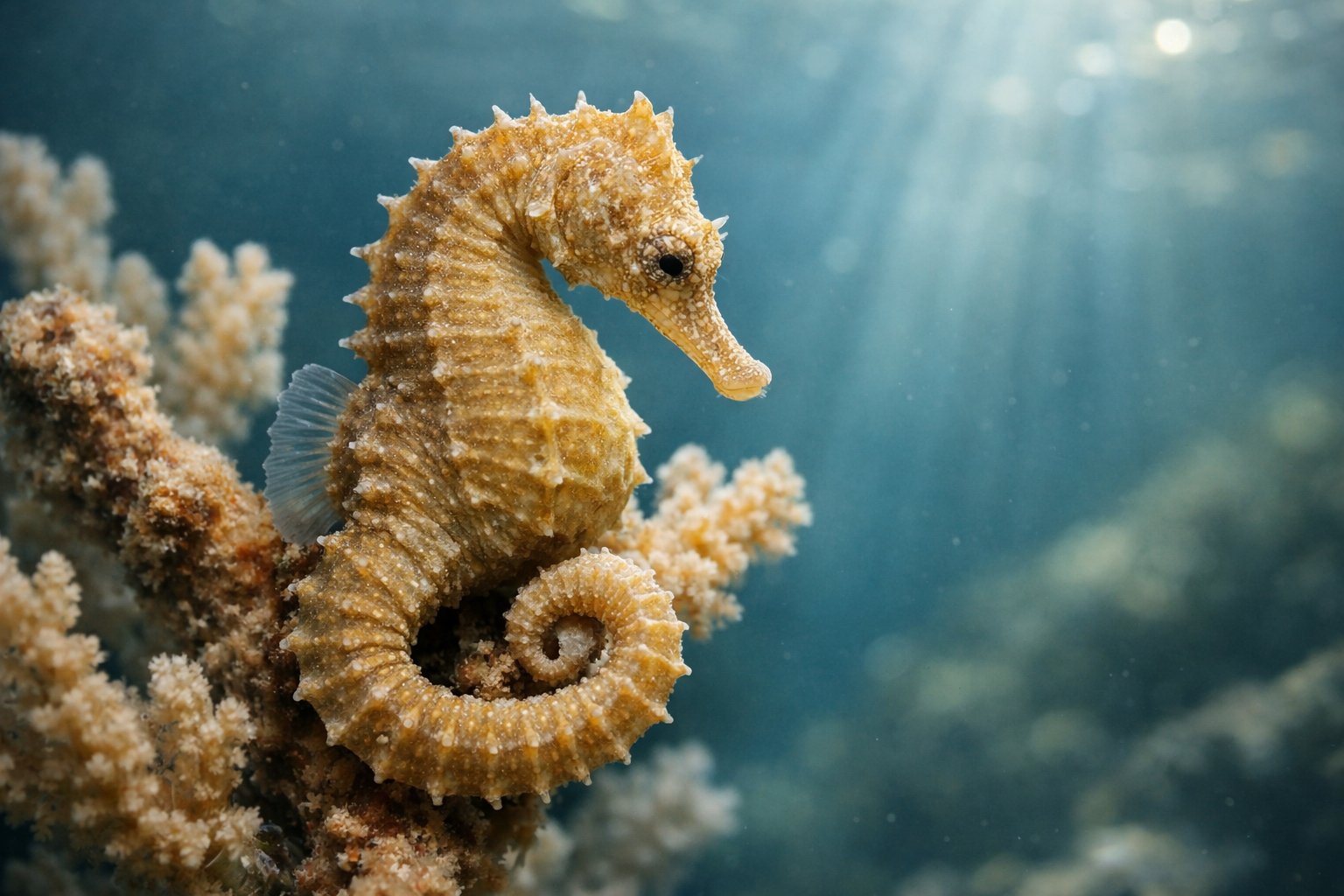
You’ll often spot them staying upright, clutching seaweed, coral, or even sponges, all while keeping their eyes open to stay alert for danger. So, how does their sleep actually work? And why do they always hang on so tightly when they rest?
Do Seahorses Sleep and How Does Seahorse Sleep Work?

Seahorses spend part of each day in short, low-activity periods. They grip onto things, which is pretty different from how mammals sleep, and you can spot when they’re resting by their behavior.
Unique Sleep Behaviors in Seahorses
Seahorses don’t lie down to rest. Instead, you’ll see them stay upright and anchor their tails to seaweed, coral, or sponges.
This tail grip keeps them from drifting with the current since they don’t have a strong swim bladder. They usually keep their eyes open because they don’t have eyelids, so they’re always ready to react to danger or sudden changes in water flow.
Some species even shift color a bit at night, which probably helps with camouflage. If you watch carefully, you’ll notice their head and body barely move, and their breathing and feeding slow down.
These are all signs of a sort of “quiet mode” rather than deep, uninterrupted sleep.
Sleep Versus Rest: What Science Shows
Researchers usually call seahorse sleep more of a “rest” or just low activity. Seahorses don’t show the clear REM or brain-wave patterns you see in mammals.
Most of what we know comes from watching them in the wild or in tanks. Scientists notice slower movement, gripping behavior, and less responsiveness during these times.
You can check out more about their behaviors in articles like this one that explains how seahorses rest while holding onto stuff and rarely closing their eyes (https://en.infoanimales.net/seahorses/how-seahorses-sleep/).
Since there aren’t many direct brain studies on seahorses, scientists avoid saying they go through full sleep stages. Instead, they compare seahorse rest to light sleep or maybe a meditative state, where they’re saving energy but still alert.
Sleep Patterns and Duration in Seahorses
Seahorses tend to be diurnal. They stay active during the day and rest more at night.
After dusk, you’ll notice longer stretches where they’re just hanging out, not moving much. How long they rest depends on their species, age, and what’s happening in their environment.
Some reports say they take lots of short rests through the night instead of one long sleep. In tanks, seahorses might rest more on schedule if their lighting and feeding routines stay regular.
Things like strong currents, predators, or poor water quality can break up their rest or make it shorter. If you’re caring for seahorses, give them secure plants to hold onto and keep their day-night cycle steady so they can rest normally.
Can Seahorses Dream?
There’s no real evidence that seahorses dream. Dreaming links to REM sleep and certain brain activity, which scientists mostly find in mammals and birds.
Nobody’s documented those patterns in seahorses yet. If you see them twitch or jerk, it’s probably just a reflex or a reaction to something in their environment.
Scientists are open to new research, but for now, saying seahorses dream is just speculation. If you’re curious, you can read more about their rest and quirky habits here (https://www.berrypatchfarms.net/how-do-seahorses-sleep/).
How Seahorses Sleep in the Wild
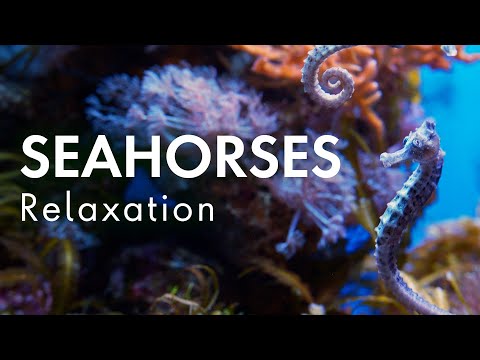
Wild seahorses rest by slowing down, staying on alert, and gripping tightly onto nearby plants or corals. They use their strong tails, pick sheltered spots, and depend on their bodies to help them stay balanced and out of sight.
The Role of the Prehensile Tail in Sleeping
The prehensile tail is the star when it comes to seahorse sleep. This tail works almost like a hook or a little rope.
When seahorses need to rest, they wrap their tails around blades of seagrass, sponges, or coral branches to lock themselves in place. That tight grip keeps them from drifting off with the current.
It also means they don’t have to swim constantly, which saves a lot of energy. If a predator comes close, the tail lets them anchor fast and freeze, blending in.
The tail’s muscles allow tiny adjustments. Sometimes you’ll see a seahorse shift its grip or change its angle as the water moves.
Anchoring Techniques and Safe Sleeping Spots
Seahorses seem pretty picky about their sleeping spots. They look for places that cut down on current and give them cover.
You’ll see them anchoring to seagrass, sticky seaweed, soft coral, or tube sponges. They like vertical stems or thin branches their tail can wrap around securely.
They often tuck themselves into dense vegetation or behind coral crevices. Hiding like this breaks up their outline and makes them harder for hunters to spot.
You’ll find them holding on in areas where the water moves slowly, so their tails don’t have to work as hard. Seahorses also adjust their angle to sway with the plants.
By matching the motion, they just blend into the scene. It’s a simple but clever way to rest without standing out.
Environment and Predation Threats
When you think about where seahorses sleep, it’s all about avoiding predators and dealing with water movement. Small fish, crabs, and bigger hunters search the same places where seahorses feed and rest.
Seahorses choose spots with good cover and low visibility to stay safe. Strong currents or storms make them look for sturdier anchors or deeper hiding spots.
If they’re in open areas, they’ll grip tighter or move into reef crevices. When seagrass beds or coral disappear because of humans, it gets harder for them to find safe places to sleep.
Since they can’t swim fast, seahorses rely on camouflage and smart anchor choices to survive. When danger shows up, you’ll notice them change color or shift position to blend in even better.
Physical Adaptations Supporting Seahorse Sleep
Seahorses have these bodies that are kind of perfect for holding still and blending right in. Their bony plates act like a little suit of armor, keeping them upright even when they’re not flapping their fins.
This setup lets them use less muscle during rest. They can just hang there, keeping that vertical posture without much effort.
They don’t have eyelids—yeah, their eyes stay open even when they’re resting. Still, if you watch closely, you’ll notice they move their heads and trunks slowly when they’re in a low-activity mode.
The small dorsal fin sometimes makes tiny adjustments to help with balance. But honestly, it barely beats at all when they’re sleeping.
Their snout shape and slow breathing really fit a sit-and-wait lifestyle. You can see seahorses just hanging out, barely moving, for long stretches—assuming their anchor and the area around them feel safe enough.


