
If your seahorse suddenly stops eating, it’s natural to get worried. Seahorses can sometimes go days or even a couple weeks without food, but honestly, they start to weaken fast and can suffer real harm long before they actually die.
If your seahorse skips meals for more than about a week, you really need to step in and try to get food into it or reach out for help.
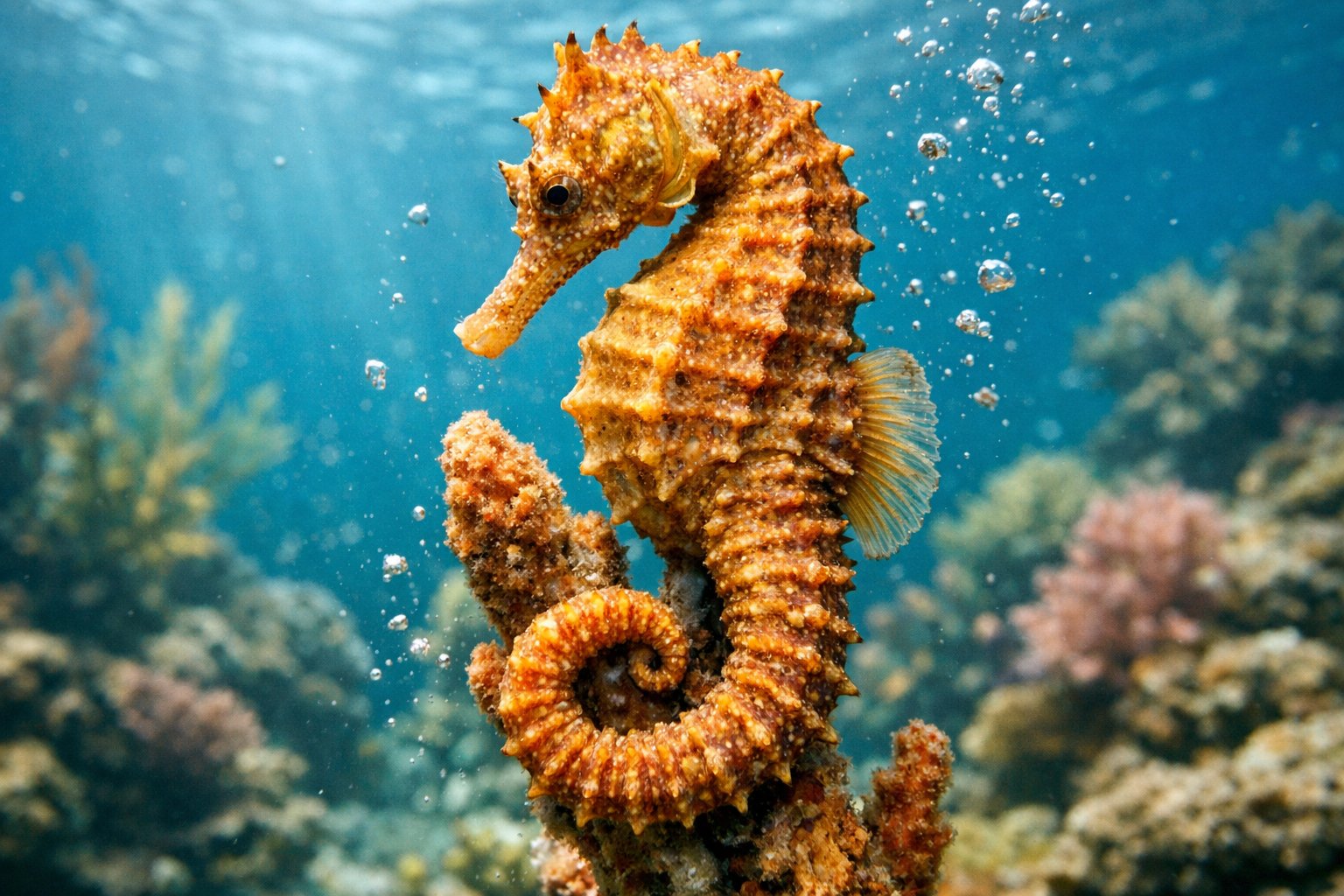
Here’s what you’ll find below: how long seahorses can last without food, why they need to eat so often, and what to do if one just refuses to eat.
You’ll get some straightforward tips for spotting malnutrition, tempting picky eaters, and keeping your seahorse healthy.
Let’s jump in and look at their feeding habits, how their bodies handle hunger, and safe ways to help a struggling seahorse bounce back.
How Long Can Seahorses Go Without Eating?
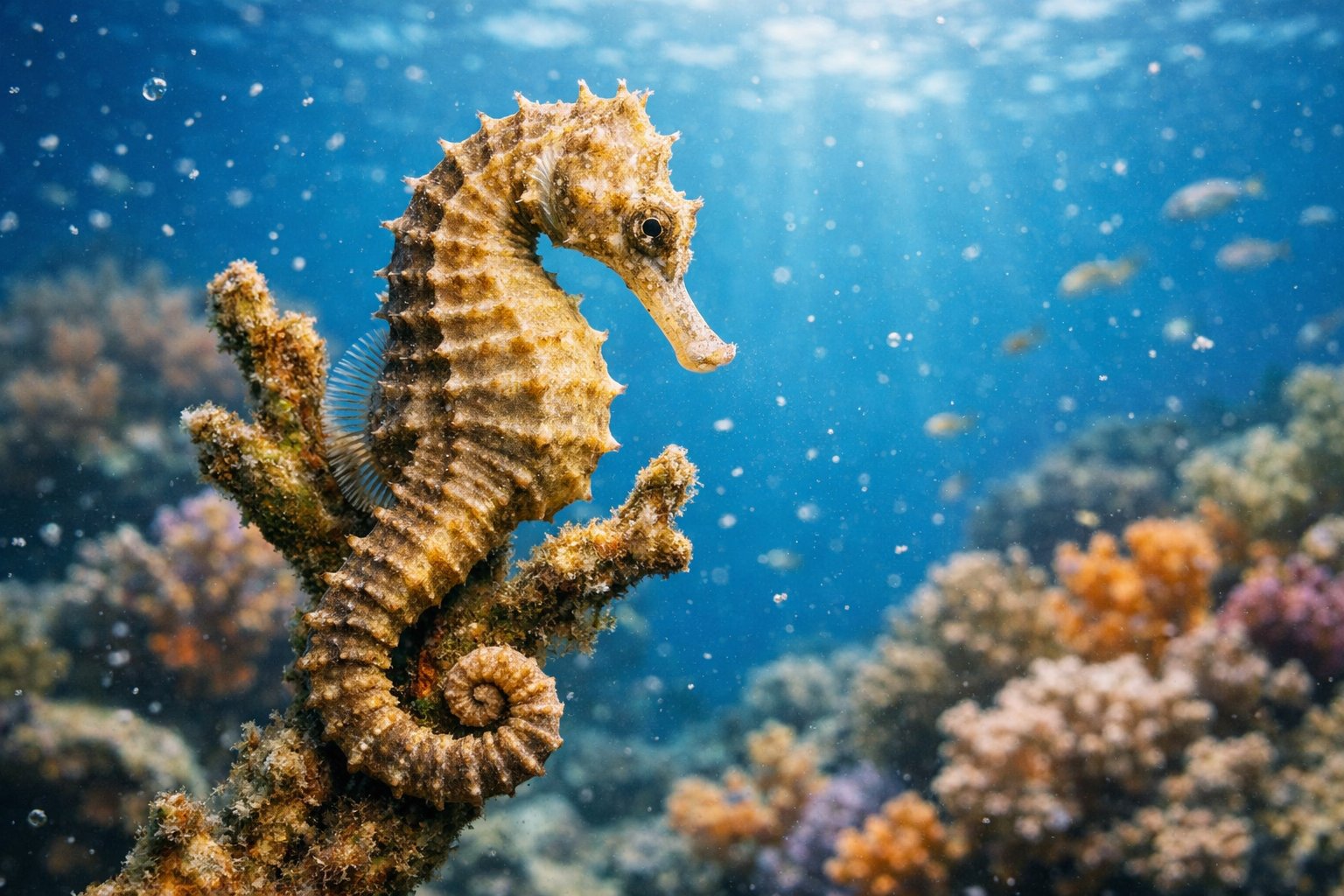
Seahorses might stop eating for a few days or even longer, but how long they survive and how badly it affects them really depends. You need to pay close attention to their appetite, body shape, and behavior so you know when to step in.
Typical Survival Time Without Food
A healthy, well-fed seahorse might make it several days or maybe a week without food before you have to step in. Sometimes, bigger adults in great shape can go a little longer—maybe a couple weeks—but that doesn’t mean they’re okay.
Seahorses burn through energy fast and have a simple digestive system, so skipping meals weakens them quickly.
If your seahorse misses just one meal, check your water quality and try offering its favorite live foods. If it won’t eat for more than a week, you’ll need to consider force-feeding or tube-feeding to avoid permanent damage.
Differences Between Well-Fed and Malnourished Seahorses
Seahorses with good fat stores and firm bellies handle short fasts much better. They can go a few days without eating and bounce back quickly once they start again.
Thin or malnourished seahorses don’t have those reserves and will go downhill much faster.
A malnourished seahorse might show a sunken belly, low activity, and faded skin color after just a couple days without food. Don’t wait for them to totally refuse food—if you notice one is already thin, start supplemental or hand-feeding within 2–3 days to protect their organs.
Impact of Species and Age on Starvation
Not all seahorses are the same when it comes to fasting. Big species and adult seahorses usually last longer than tiny or young ones.
Juveniles burn through energy quickly and can get into trouble within a few days.
For example, a large Hippocampus erectus can probably handle a longer gap than a small dwarf seahorse. Pregnant males and adults carrying babies need to eat even more often.
You’ll want to adjust your response based on the species and age of your seahorse. Youngsters and brooding males should always be your top priority for quick feedings.
Warning Signs of Starvation in Seahorses
Watch for a sunken or concave belly, skin that looks dull or flared, little or no hunting behavior, or just hanging in one spot for ages. Another warning sign—if your seahorse tries to eat but can’t suck in food, something’s wrong.
If you spot these signs, try tempting them with live mysids or enriched frozen Mysis. You might need to hand-feed.
Keep a log of how long they’ve been off food and note if you’ve recently medicated or changed the water, since both can kill appetite. If they won’t eat after a day or two of tempting foods, be ready to force-feed or call in someone with more experience.
Seahorse Feeding Habits and Dietary Needs

Seahorses eat a lot, and they need small, nutrient-packed prey. They rely on good water quality and live or well-enriched frozen food to stay healthy.
You’ve got to feed them often, match the prey size to their tiny snouts, and keep tank chemistry stable so they can digest and stay hungry.
Feeding Frequency and Patterns
Adult seahorses usually eat between 30 and 50 tiny prey items every day.
Most people who keep seahorses feed them two or three times a day, making sure each one gets enough mysis shrimp or similar foods. Babies and young seahorses need way more—sometimes thousands of tiny nauplii or copepods daily.
Seahorses hunt by waiting and then sucking prey in with a vacuum-like snout. Because of that, food needs to move or be alive, or frozen food should be thawed and presented in a way that triggers their hunting instincts.
Watch each seahorse for a few minutes during feeding to track how much they eat. Always remove leftover frozen food after a few minutes to keep the water clean.
Preferred Foods in the Wild and Captivity
Wild seahorses munch on copepods, amphipods, tiny crustaceans, fish larvae, and planktonic shrimp. These foods are small, soft, and packed with nutrients—just right for their little mouths and short digestive tracts.
In tanks, you should offer a mix if you can: live copepods and amphipods, frozen mysis shrimp as the main food, and sometimes live or enriched brine shrimp for the young ones. Lots of captive-bred seahorses will eat thawed, nutrient-boosted mysis shrimp or even freeze-dried mysis if you prep it right, but live food usually gets better results.
Rotate the foods and enrich frozen shrimp with omega-3 oils and vitamins. Seahorses don’t have long guts, so they can miss out on nutrients otherwise.
Challenges with Feeding Seahorses
Seahorses eat slowly and can be super picky. If food doesn’t move or is too big for their snout, they’ll often ignore it.
This is why so many captive seahorses don’t make it—people assume flakes or pellets are enough, but they’re not.
Training seahorses to eat frozen mysis can take patience. Sometimes you need live feeders to help picky eaters switch. Tankmates that eat faster can also outcompete seahorses for food.
Uneaten food makes water quality drop fast, and seahorses really can’t handle bad water.
Keep an eye out for weight loss, hollow bellies, or if a seahorse stops reacting to food. If you see these, try live copepods, enriched mysis, or even hand-feed with a pipette until they perk up.
Essential Tank Conditions for Proper Feeding
Stable water matters a lot. Keep salinity right for your specific seahorse, and make sure ammonia and nitrite stay at zero.
Nitrate should stay low. Set the temperature to match your species—most seahorses seem happiest between 18–24°C (64–75°F).
Avoid rapid temperature swings. Those really mess with their appetite and digestion.
Aim for gentle water flow. That way, small prey float around but your seahorses don’t have to struggle against strong currents.
Add hitching posts like gorgonians, macroalgae, or even fake plants near feeding spots. Your seahorses like to perch and wait for food to drift by.
Skip using untreated tap water. Always mix seawater with marine salt or treat tap water with dechlorinators and remineralizers before it goes in the tank.
Stick to a regular feeding schedule. Offer small, frequent feedings, and keep up with good filtration so both your seahorses and their food stay healthy.


