
You might find this surprising, but seahorses don’t have teeth. They swallow tiny prey whole, using a tube-like snout and a quick suction strike, so chewing just isn’t part of their routine. This odd little detail connects directly to their genus, Hippocampus, and the fascinating way they hunt and digest food.
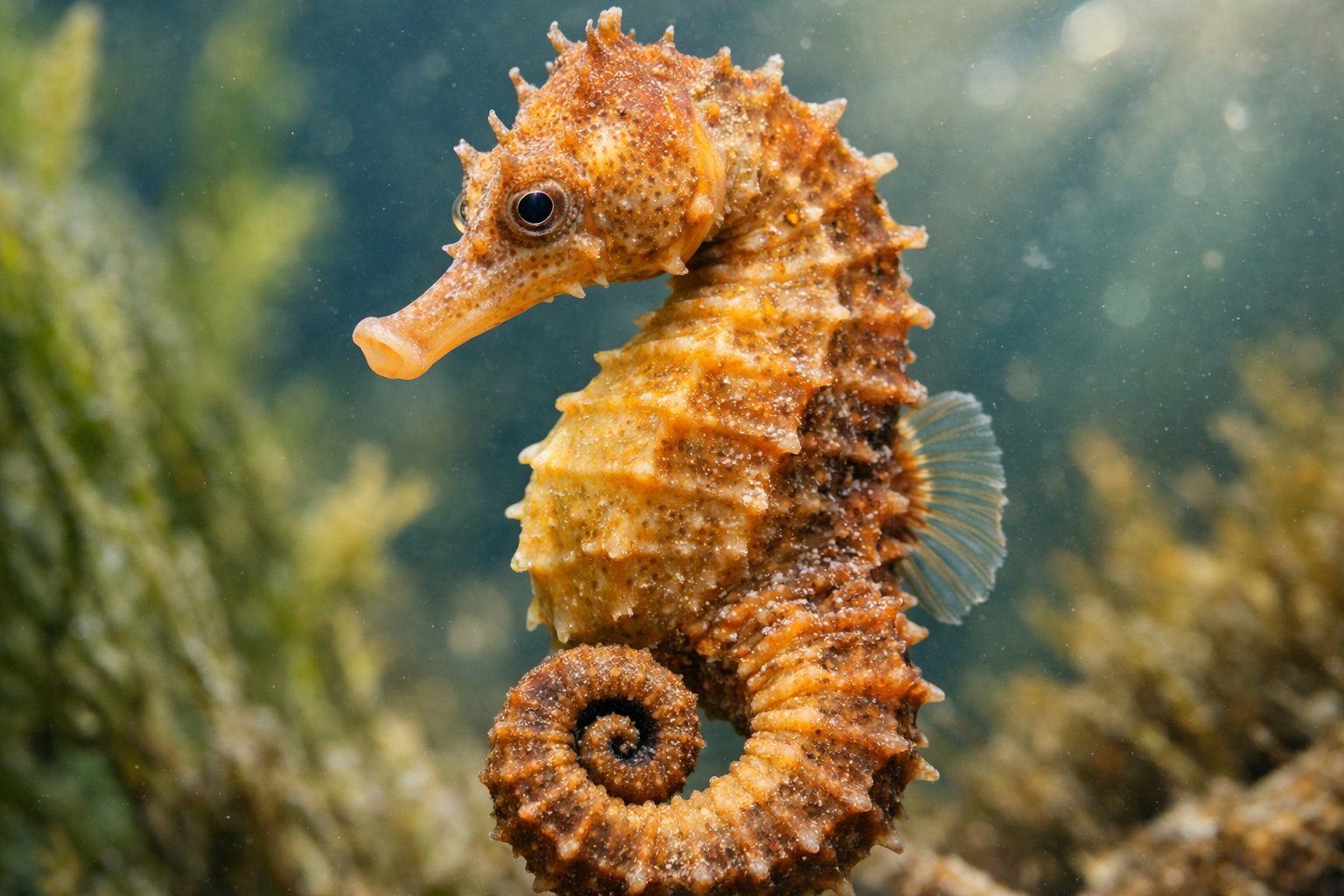
Since they lack teeth, seahorses need to eat nearly nonstop. Their bodies evolved for suction feeding, which is honestly pretty wild once you see it in action.
Let’s break down how their anatomy works, how they catch and process food, and why all of this matters for their survival in the wild.
Do Seahorses Have Teeth? Anatomy and Unique Adaptations

Here’s what’s cool: seahorses eat in a way that’s totally different from most fish. Their mouths and feeding habits set them apart from close relatives like pipefish and seadragons.
Let’s get into the details of how they capture tiny prey without needing to chew.
Seahorse Mouth Structure
Seahorses (genus Hippocampus) have these long, tube-like snouts with a small, round opening at the very tip. You won’t spot any teeth inside because their jaws fused together, forming a rigid pipe.
That pipe acts like a straw when they feed. It’s honestly kind of adorable.
When they eat, they snap their heads forward and rapidly expand the mouth cavity. This creates a strong suction that pulls water and prey—think copepods and tiny shrimp—right into the snout in less than a second.
They count on that suction speed instead of biting power to catch food.
Some key features:
- Their prehensile tail anchors them while they aim.
- Rigid bony plates protect their body, but limit jaw movement.
- The hyoid bone’s movement drives the suction pull.
Teeth and Digestive System
Seahorses never chew because they don’t have teeth. They swallow prey whole through the narrow snout.
Since they lack a true stomach, food moves quickly into the intestine, where digestion wraps up.
They need to eat often. Their meals are tiny, low-calorie, and get digested fast, so they spend a lot of the day feeding.
Their diet? Mostly planktonic copepods, mysid shrimp, and other tiny crustaceans that fit their snout.
If you keep them in aquariums, offer frequent small feedings—live or frozen copepods work well.
You’ll notice they gulp food almost constantly, not biting or tearing.
Because their digestion is limited, they have tight energy budgets for growth and reproduction.
Comparison to Pipefish and Sea Dragons
Pipefish and seadragons belong to the same family (Syngnathidae). Like seahorses, they have elongated, toothless snouts and use suction feeding.
Pipefish look more like straight, thin fish and swim around more, rarely anchoring themselves. You’ll spot pipefish chasing prey a bit more actively than seahorses.
Seadragons (Phyllopteryx and Phycodurus) have these leafy appendages for camouflage and sometimes longer snouts. They use the same suction method, but prey size and habitat can vary.
What’s important to remember:
- None of them have chewing teeth.
- Each species’ mouth shape and hunting style fits its habitat.
- These differences affect how you feed them in captivity or even how you spot them in the wild.
If you want to dig deeper, check out research on suction feeding and evolutionary traits in syngnathids like pipefishes and seadragons.
How Seahorses Eat and Survive Without Teeth
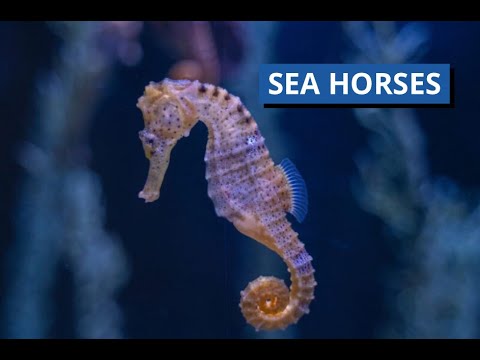
Seahorses catch tiny animals by snapping up fast suction strikes with their long snouts. They live in coral, seagrass, and estuaries, and they have to eat small crustaceans often just to keep up their energy.
Suction Feeding Technique
Picture a seahorse waiting patiently, then suddenly snapping its head to create a vacuum that sucks prey right into its mouth. The snout acts like a narrow tube, and inside, muscles expand the oral cavity in milliseconds to pull in copepods, brine shrimp, or even tiny fish larvae.
Since seahorses don’t bite or chew, prey slide in whole and go straight down the esophagus.
This feeding style works perfectly in coral reefs and sea grasses, where prey hide. Seahorses aren’t strong swimmers, so they rely on stealth and a rapid strike instead of chasing.
Suction feeding also means they don’t need teeth or strong jaws.
Diet and Prey Types
You’ll see seahorses eating small crustaceans like copepods, mysid shrimp, amphipods, and sometimes tiny fish or plankton. They pick prey that fits the size of their snout; bigger prey just won’t make it through.
In seagrass beds and mangrove edges, copepods and amphipods make up most of their meals.
Their diet shifts with habitat and season. In tropical waters, you might spot them munching on a wider variety of small shrimp, while in temperate and estuary spots, they eat whatever tiny crustaceans are around.
Unfortunately, overfishing and pollution can reduce prey numbers and make feeding harder for seahorses.
Constant Feeding Behavior
Seahorses don’t have a stomach, so food moves through their gut pretty quickly. You’ll probably catch them eating many times a day.
Sometimes they anchor themselves to a blade of sea grass and strike at prey dozens of times. This near-constant snacking keeps their energy up and helps the male’s brood pouch during pregnancy. It also fuels their growth.
But if prey gets scarce—maybe because of habitat loss or pollution—seahorses can starve surprisingly fast. That’s why protecting seagrass beds, coral reefs, and estuaries really matters.
You can actually help by supporting sustainable fishing or cutting down on runoff that reduces their food supply.


