
You can totally keep a seahorse, but it’s not exactly a “set it and forget it” kind of pet. You’ll need to stay on top of tank setup, water quality, and their very specific diet.
If you want a healthy seahorse, you’ll need a tall, low-flow saltwater tank, regular water tests, and a steady supply of mysis or live shrimp.
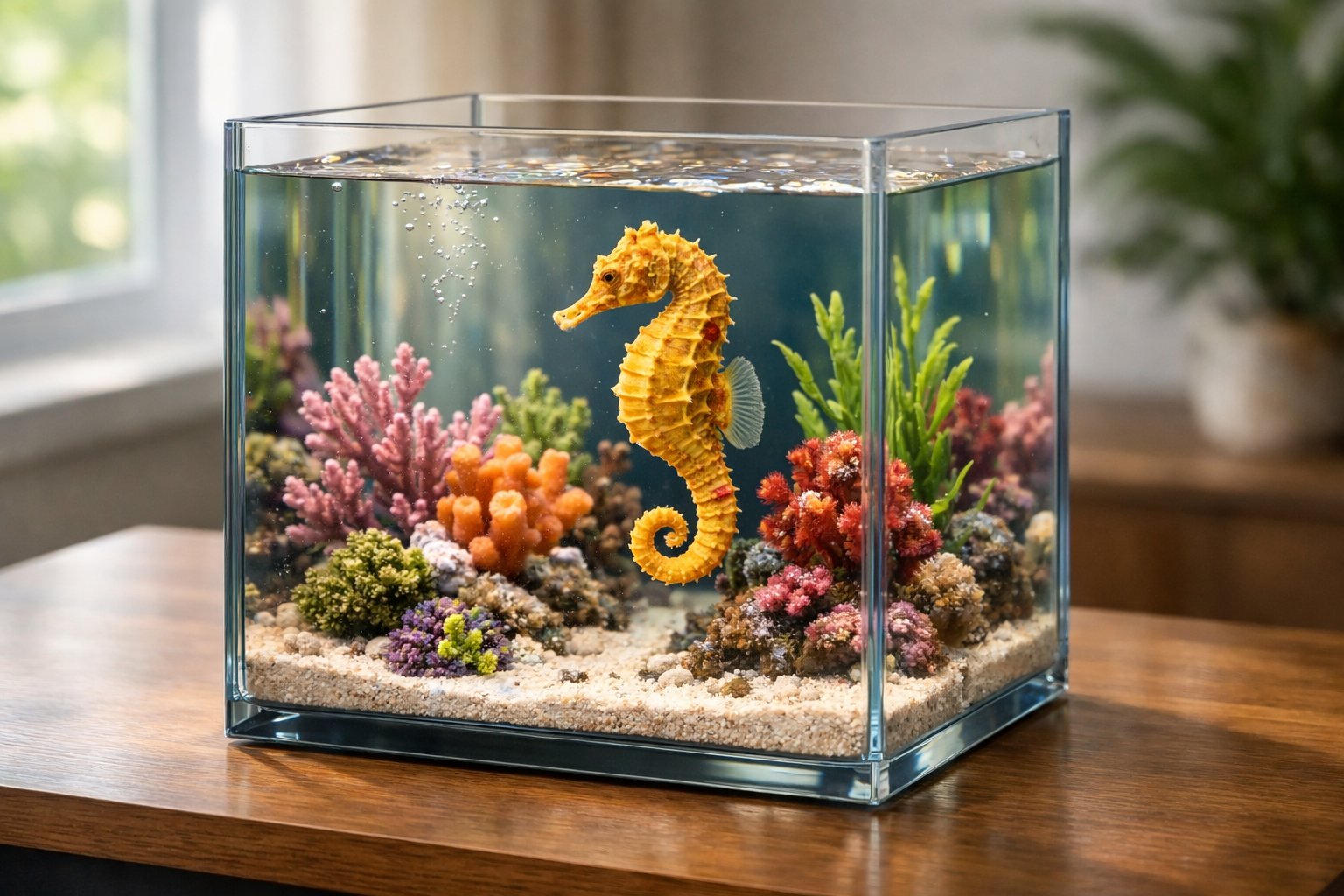
Before you buy one, make sure you know about tank size, feeding routines, and which tankmates won’t cause trouble. You don’t want to bring home an animal you can’t actually care for.
Let’s get into whether a seahorse fits your life and what their day-to-day care really looks like.
Can I Have a Seahorse as a Pet?
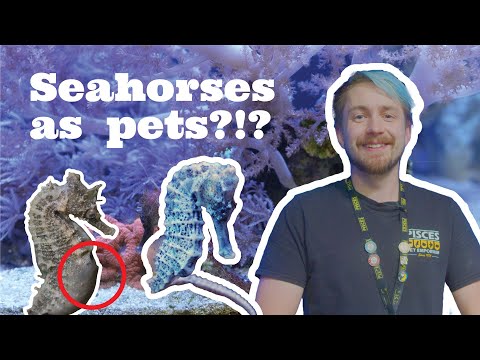
Seahorses need a saltwater tank, regular feeding, and steady water quality. They usually do better in pairs or small groups, and honestly, captive-bred ones are way easier to keep than wild-caught.
Key Considerations Before Owning a Seahorse
You’ll need a stable marine setup. For a pair of larger seahorses, go for at least a 30-gallon tank.
If you’re into the tiny dwarf species like Hippocampus zosterae, you can get away with about half that size. Keep the temperature steady, somewhere between 70–78°F, and salinity at reef-safe levels (specific gravity around 1.020–1.025).
Low flow is key. Seahorses aren’t great swimmers, so you’ll want lots of vertical hitching spots like gorgonians, seagrass, or fake plants.
Feeding isn’t a “once and done” deal. Mysis shrimp are their main food, and you should feed them two or three times a day.
Expect to check on them daily, do partial water changes every week or two, and test for ammonia, nitrite, nitrate, pH, and alkalinity. You’ll also need to budget for pumps, heaters, and filtration gear.
Legal and Ethical Aspects of Seahorse Ownership
Before you buy, check your local laws. Federal and state rules, plus international trade controls, might restrict certain seahorse species.
A lot of places ban taking seahorses from the wild. Going for captive-bred seahorses helps wild populations and skips the hassle of permits.
Captive-bred seahorses usually do better in home aquariums. They adapt to prepared diets and aquarium life much faster than wild-caught ones.
Good sellers will tell you where their seahorses come from. Ask for paperwork, health checks, and quarantine tips before you bring your new pet home.
Choosing the Right Seahorse Species for Your Aquarium
Pick a species that matches your tank size and your experience. Lined seahorses (Hippocampus erectus, or common seahorse) get pretty big and need more space and stable water.
Dwarf seahorses (Hippocampus zosterae) stay tiny and fit in smaller tanks, but they need super clean, planted setups and frequent small meals.
It’s best to buy captive-bred seahorses from trusted breeders. They’re less stressed, usually healthier, and already used to eating frozen mysis.
Skip aggressive or speedy tank mates. Peaceful gobies, small blennies, or pipefish make good neighbors.
Try to match the species’ needs to your daily routine, so your seahorses actually thrive.
Fundamentals of Seahorse Care

Seahorses need steady water, the right food, and chill tank mates. Set up a tall, low-flow tank, feed frozen or live mysis shrimp often, and keep an eye out for any signs of stress or illness.
Setting Up the Perfect Tank Environment
Go for a tank that’s at least 30–40 gallons if you want a pair or a small group. Tall tanks are better since seahorses like to anchor themselves with their tails.
Install a gentle filtration system—sponge filters or baffles work well—to keep the flow low. Strong currents just wear them out and make feeding tricky.
Keep water temperature between 72–76°F (22–24°C), salinity at 1.020–1.025 specific gravity, and pH from 8.0–8.3. Ammonia and nitrite should always be at zero, and try to keep nitrates under 20 ppm.
Test your water every week and change out 10–20% of it to keep things stable.
Add plenty of hitching spots like fake seagrass, macroalgae, or live rock with soft corals. These give seahorses a place to rest and act naturally.
Skip sharp decorations and avoid fast-swimming fish—they’ll just stress everyone out.
Feeding Seahorses and Meeting Dietary Needs
Feed seahorses small crustaceans like mysis shrimp. Thaw frozen mysis and offer it a few times a day.
Young seahorses need 3–5 small meals daily, while adults can stick to 2–3 times. If your seahorse won’t eat frozen food, try mixing in live feeder shrimp or use feeding tongs.
Keep an eye on their body shape and tail grip—if they start losing weight, you’ll notice fast. Offer vitamin-enriched mysis or soak their food in supplements to avoid nutritional gaps.
Don’t bother with flakes or pellets. Seahorses prefer moving prey and usually ignore dry food.
Remove any uneaten food to keep the water clean, and check your water a bit more often if you’re feeding heavily.
Social Behavior and Ideal Tank Mates
You can keep seahorses alone, in pairs, or in small groups of the same species. Many form monogamous pairs and even show off a bit during courtship, especially if they’re breeding.
Watch for any nipping or aggression, though it’s pretty rare unless you overcrowd them.
Stick with calm, slow-moving tank mates. Small gobies, blennies, and shrimp that don’t steal food work well.
Don’t add big, fast, or aggressive fish—they’ll outcompete seahorses for food or just stress them out.
If you want to breed seahorses, give them some privacy and keep things quiet during courtship. Males carry the eggs in a brood pouch, and breeding needs stable water and regular feeding to support both parents and babies.
Lifespan and Long-Term Seahorse Health
If you take care of them properly, most pet seahorses live about 3–5 years. Some species might even surprise you and stick around longer, especially if you really nail their care.
Their lifespan depends a lot on what you feed them, how clean you keep their water, and honestly, how stressed they get. I usually watch their growth and color—those little changes can tell you a lot about how they’re doing.
You’ll want to keep an eye out for trouble like bacterial infections, parasites, or malnutrition, which often comes from a poor diet. It’s smart to quarantine any new arrivals for 2–4 weeks; that way, you can hopefully stop any diseases before they spread.
I like to jot down water test results, what I feed them, and any treatments I try. It helps me catch patterns or spot issues early.
If your seahorse starts acting weird—maybe stops eating or loses weight—don’t wait too long to get a vet involved. Regular tank maintenance, steady feeding with mysis shrimp, and picking gentle tank mates really go a long way toward keeping your seahorse happy and healthy.


