
Most people think of seahorses as gentle and delicate, but they can show some surprising, if limited, aggression when the situation calls for it. Seahorses generally act peaceful, though males sometimes get territorial or competitive during courtship, so they’re not totally harmless.

Let’s dig into how seahorses behave around other animals, when their competition turns into tail-wrestling or head-bobbing, and what really drives their mating squabbles.
You’ll get a better sense of what’s just normal seahorse drama and what’s actual aggression.
Stick around to see how things like habitat, food, and breeding shape how seahorses interact. It might just change how you think about these weird little fish.
Are Seahorses Aggressive Toward Other Animals?

Seahorses almost never attack other animals, but they do defend their tiny territories and compete for food.
You might notice short displays, a bit of wrestling, or some quick snatching when space or prey gets scarce.
Territoriality and Social Interactions
Male seahorses often claim a little patch in seagrass beds, coral reefs, or mangroves.
You’ll spot them wrapping their tails around a blade of seagrass, then chasing another male away with some head bobs or fin flicks.
They do this to keep a mate or protect a small bit of habitat—not to injure anyone.
Sometimes, if things heat up, males grab each other’s tails and twist around.
These scuffles look intense, but they don’t usually end with anyone getting seriously hurt.
Different species handle things their own way: some form loose pairs, others are more chill about neighbors.
If you watch them in shallow areas where they breed and feed, you’ll see these behaviors up close.
Competition for Food
Seahorses eat tiny critters like copepods, shrimp larvae, and plankton.
You’ll see them dart forward and suck prey into their snouts in a flash.
Because they don’t have stomachs, they need to eat a lot, which ramps up competition in crowded spots.
If food gets scarce, two seahorses might jostle for the same bit of water or even snatch prey from each other.
That “snatching” feels more like aggressive stealing than a real fight.
In places where hiding spots or food are limited, you’ll see more of these little clashes.
Feeding and Hunting Behavior
Seahorses hunt mostly by sight and stealth.
You’ll notice them hovering, aiming their snout, then snapping up prey in a split second with a little vacuum action.
Their feeding is all about quick suction, not tearing or biting.
Since they swim slowly, seahorses count on camouflage in seagrass and coral reefs to sneak up on prey.
This helps them avoid bigger animals.
You’ll almost never see a seahorse try to eat anything bigger than tiny larvae or plankton, so they’re not a threat to other fish—unless they’re chasing after the same snack.
Aggression and Mating: Social Dynamics in Seahorses
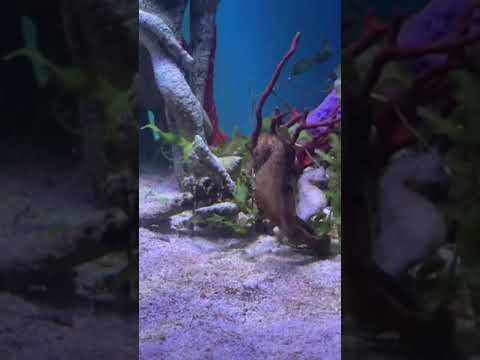
Seahorse mating is a mix of ritual, close bonding, and the occasional rivalry.
You’ll catch elaborate displays, strong pair bonds in a lot of species, and quick bursts of competition when mates or territory are up for grabs.
Courtship Displays and Mate Selection
Seahorses do daily courtship dances that can last from a few minutes to hours.
Males and females show off with synchronized color changes, tail holding, and vertical swimming.
These displays show they’re ready to mate and help strengthen their pair bond.
Some species show off more than others.
Dwarf seahorses, for example, do fast, tight dances in seagrass, while bigger ones take their time and move slower among mangroves.
You can spot sex and condition by watching these moves—a male with a full brood pouch will still dance, but he’s usually slower.
Courtship is also about mate choice.
Females often check out a male’s territory or his favorite perch.
Males that anchor to sturdier seagrass stems with their tails seem to attract more attention.
You won’t see much violence during courtship; most of it is just for show.
Pair Bonding and Monogamy
A lot of seahorse species form long-term pair bonds, sometimes sticking together through a whole breeding season.
Pairs often greet each other with daily dances that help keep their bond strong and get their timing right for spawning.
These rituals keep courtship simple and help with reproductive timing.
Monogamy pops up a lot, but it’s not a hard rule.
Some species pair up only while they’re in a certain spot, like a thick patch of seagrass or a sheltered mangrove root.
If a partner disappears, many seahorses just find a new mate instead of staying single.
Male pregnancy shapes how they act socially.
You’ll see males put a lot into brooding, while females might visit more than one male if there are a lot around.
The balance of males and females, plus how crowded things are, changes how strict or loose those pair bonds get.
Competition for Mates
You’ll probably notice competition heats up when mates or good perches run low. Males usually pick out small territories in seagrass beds or around favorite mangrove roots.
These little patches give them access to females and safe spots where they can anchor themselves with their prehensile tails. It’s kind of clever, honestly.
Most of the time, competition shows up as displays—head bobs, quick flashes of color, and even tail grappling. Physical harm? Not so much, though you might catch some brief tail wrestling if things get tense.
In crowded spots or when food gets scarce, you see more aggressive behavior. It just seems to ramp up.
Researchers have noticed that when population density shifts, mating tactics change too. If a bunch of seahorses cram into one patch, you’ll sometimes spot short-term polygyny or mate switching.
Habitat loss in seagrass or mangrove areas only makes these behaviors more intense—and honestly, more obvious if you’re watching.


